



























































































































































































Introducing a new puppy to your current dog is often an exciting process, and many dogs will become fast friends and eas...
Read MoreAdopt Me
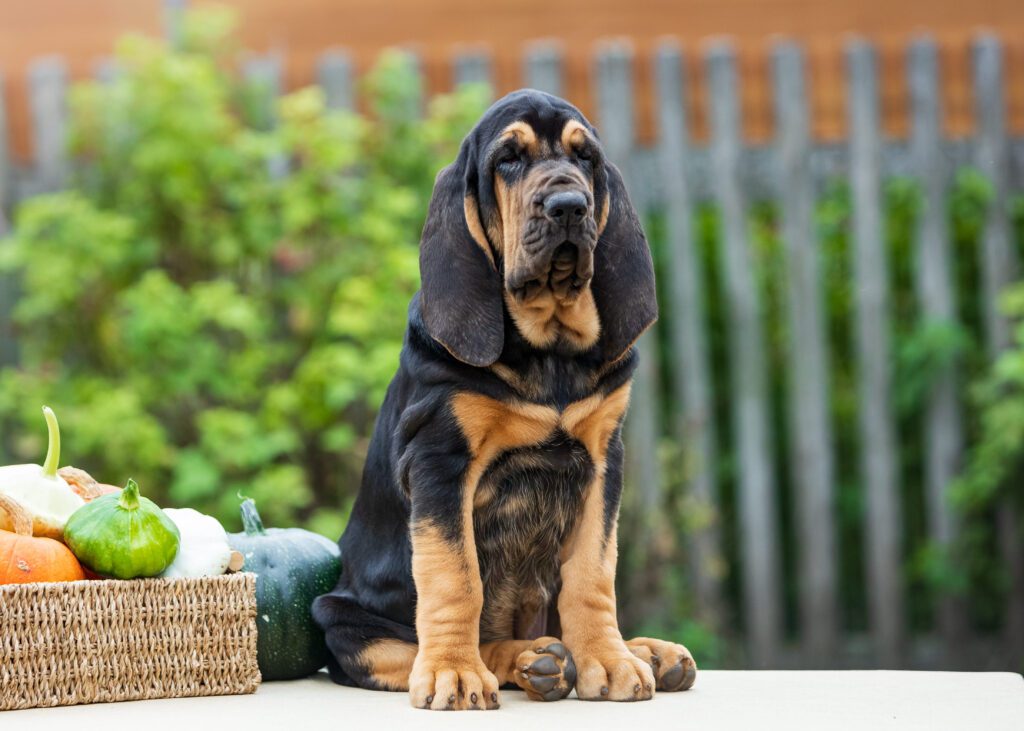
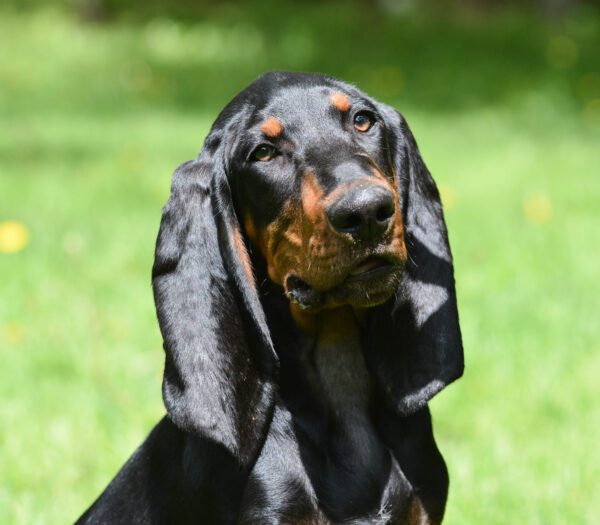
A Bloodhound is a gentle, devoted, and famously nose-driven companion. This breed shows deep affection for family, welcomes respectful children, and thrives when given a job like scent work or tracking games. A Bloodhound can be calm in the home after exercise, yet the breed remains determined and vocal when a scent takes hold. Careful research helps every adopter understand size, drool, shedding, and the need for steady training before bringing this remarkable hound home.
Choosing to adopt a Bloodhound in Maryland offers big rewards. Adoption saves a life, supports local animal welfare efforts, and often includes essential veterinary care before placement. Adopters also gain transparency about temperament, energy, and any special needs, which helps the match last for the long term. Thoughtful preparation makes the transition smooth and gives a Bloodhound confidence from day one.
Maryland’s climate brings hot, humid summers and chilly winters with wet conditions near the Bay. A Bloodhound does well here when the owner manages heat with shade, water, and rest breaks, and manages winter moisture by drying ears and skin after outdoor time. The state’s mix of suburban neighborhoods, coastal paths, and wooded trails suits a scent hound that loves to explore. City apartments can work with firm management, yet the breed’s size and famous baying make a secure yard, routine exercise, and mindful neighbors especially important in close quarters.
You can avoid searching for rescues and shelters separately by starting with Dog Academy. The adoption listings let you filter by breed, age, and location, and the platform includes educational guides and adoption checklists that help you prepare. You can also check local animal shelters, regional rescues, and breed-specific rescue groups, since Bloodhounds sometimes enter general facilities as well as hound-focused programs.
Begin by browsing listings and reading each profile closely. Look for notes on temperament, energy, medical history, and the dog’s comfort with children or other pets. Ask for details about daily routine, crate use, and any behavior training already started. Many rescues use foster homes that provide helpful insights about house manners and adaptability. When a suitable dog is out of state, rescues may arrange transport to move dogs between locations, which can include volunteer relay drivers or licensed carriers, along with scheduling to ensure safety and comfort.
Next, submit an application. Most groups ask for proof of address, landlord approval when you rent, and veterinary and personal references. A coordinator reviews your information, clarifies expectations, and confirms that you understand Bloodhound needs such as secure fencing, scent-safe walks, and drool management. Approval can take 3 to 10 days when references respond quickly, though busy seasons can add time.
After approval, you schedule a meet-and-greet. Bring all household members, and request a dog-to-dog introduction when you already have pets. Many organizations also complete a home check, which can be virtual or in person, to confirm safety, containment, and space for rest and recovery. You then sign an adoption agreement, pay the fee, and set a pickup date. Some groups offer a short trial placement that functions as a foster-to-adopt period, which lets everyone confirm fit before finalizing.

|
How Much Does It Cost to Adopt a Bloodhound in Maryland?In Maryland, the typical adoption fee for a Bloodhound ranges from $250 to $400. This range reflects the breed’s size, the cost of veterinary care in the region, and the additional time many groups invest in behavior evaluations for strong scent hounds. Fees usually include spaying or neutering, vaccinations, microchipping, and veterinary exams. Many organizations also provide heartworm testing, deworming, and flea and tick prevention before adoption. Age and demand affect price. Puppies usually sit at the top of the range because they require more boosters and supplies. Healthy adults often fall in the middle of the range. Seniors and dogs with manageable medical needs usually move toward the lower end. Prior training, professional transport, and recent medical treatments can also influence the final fee. |
How Should I Train a Bloodhound?A Bloodhound is intelligent and eager to follow a scent, which can look like stubbornness when the environment is exciting. Training works best when sessions are short, upbeat, and predictable. Food rewards and scent-based games keep the dog engaged, while clear boundaries and consistent rules prevent rehearsal of problem behaviors. Use positive reinforcement to build reliable recall, polite loose-leash walking, a solid stay, and a confident settle on a mat. A long line gives safe freedom to sniff while you shape check-ins and impulse control. Secure fences and structured decompression walks reduce frustration and keep baying in check. Daily nose work, tracking games, and puzzle feeders provide mental exercise that helps a Bloodhound relax at home. For step-by-step guidance, explore Dog Academy’s online training courses. The lessons cover foundation obedience, recall and leash skills, enrichment routines, and scent work that suits a Bloodhound’s natural talents. Clear video instruction and practical plans help new adopters stay consistent and make progress week after week. |

|
The ideal adopter enjoys long walks, values patient training, and embraces hound traits like baying and enthusiastic sniffing. A secure yard, time for daily exercise, and a plan for ear care and grooming help this breed stay healthy. Households that appreciate a loving, goofy companion will find a loyal friend in a well-matched Bloodhound.
Take your time, prepare your home, and learn as much as you can before you adopt a Bloodhound in Maryland. Careful research, a thoughtful introduction plan, and steady training create a smooth transition and a bond that lasts for years.

Introducing a new puppy to your current dog is often an exciting process, and many dogs will become fast friends and eas...
Read More
Rescue dogs can make great companions and can transform your home into something better. These dogs make great pets and ...
Read More
You should never rush to pet a dog. Even dog owners make the mistake of approaching unfamiliar dogs and petting them rig...
Read More
Puppy mill dogs are survivors who have endured extreme hardships in their lives. They have grown up in horrendous, unsan...
Read More
With their wagging tails and comforting presence, adopting a dog can add a unique touch to your life. It’s a heart...
Read More
Older dogs may have a few gray hairs around the edges, but that doesn’t mean they can’t make wonderful companions! T...
Read More