




























































































































































































Introducing a new puppy to your current dog is often an exciting process, and many dogs will become fast friends and eas...
Read MoreAdopt Me

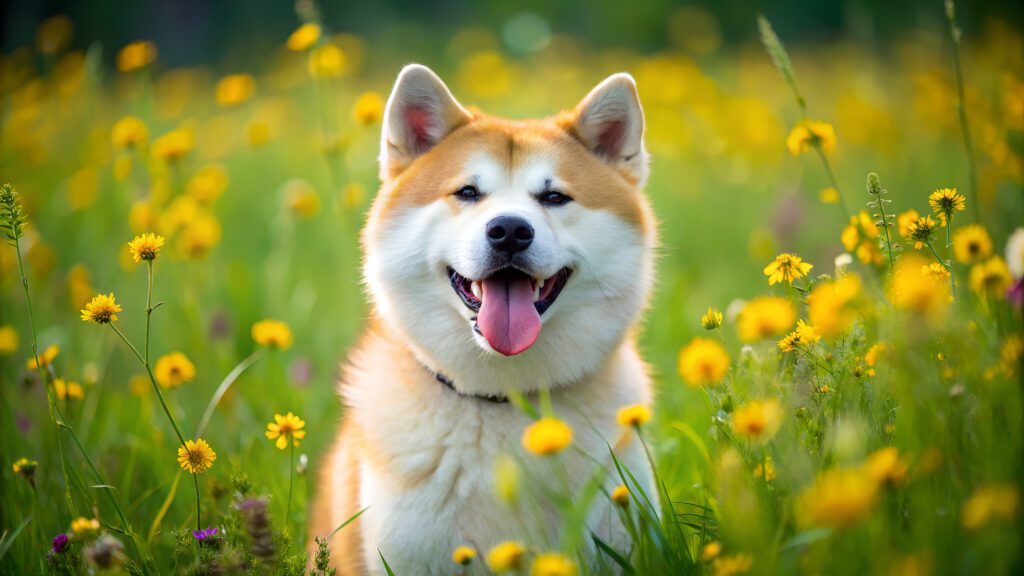
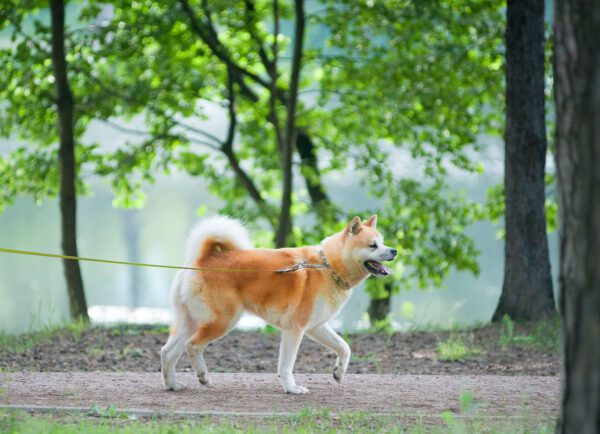
An Akita is a powerful, dignified, and deeply loyal companion. The breed bonds closely with family, stays calm in the home, and brings confident energy to outdoor adventures. Many people choose this breed for its steady temperament, striking appearance, and natural sense of guardianship.
Thoughtful research always comes first. A Akita is independent, intelligent, and sometimes aloof with strangers. Many Akitas prefer to be the only dog in the household, and some have a strong prey drive. Adoption often works better than buying because rescue teams share detailed histories, provide behavioral insights, and complete essential veterinary care before placement. Adopting also opens space for the next dog in need.
Maryland offers four distinct seasons that match the Akita’s thick double coat well in winter. The breed tolerates cold weather and snow with ease, although regular brushing helps control heavy shedding. Hot and humid summers in Maryland require shade, fresh water, and exercise during cooler hours. Urban apartments can work with strict routines and daily exercise, while suburban and rural areas with secure fencing suit the breed best. Maryland’s trails, neighborhoods, and coastal walks provide balanced outlets when paired with strong leash skills and clear training.
You can skip searching shelters and rescues one by one by using Dog Academy. The adoption listings make it easy to browse available Akitas across Maryland and nearby regions. Dog Academy also provides step-by-step educational guides and practical adoption checklists so you can prepare your home, plan introductions, and organize vet care with confidence.
Prospective adopters usually find available dogs through local animal shelters, regional rescues, breed-specific rescue groups, and foster-based networks. Many Akitas enter foster care first, which helps organizations assess temperament, house manners, and training needs. Listings typically include age, weight, medical details, and notes about compatibility with other pets or children.
The process starts with browsing listings and submitting an application. Applications often request references, proof of housing, and landlord approval for renters. Some groups ask for a veterinary reference if you currently own pets. After an initial review, most groups schedule a phone interview to discuss your lifestyle, experience, and expectations. Approval timelines vary, though many adopters move from application to next steps within 1 to 2 weeks when they respond quickly and provide complete information.
Next comes a meet-and-greet to confirm a good match. Many teams arrange neutral-site meetings and may request a separate introduction for resident dogs. A home check often follows, either in person or through a virtual walkthrough, to confirm secure fencing, safe storage of chemicals, and an appropriate setup for rest and feeding. Once approved, you sign an adoption contract, pay the fee, and coordinate pickup. When dogs are not local, rescues may arrange transport between locations. Transport is often organized by rescue staff or volunteers who move dogs along a scheduled route, and it may require a health certificate for interstate travel.
|
How Much Does It Cost to Adopt a Akita in Maryland?Most adopters in Maryland pay $300 to $550 to adopt a Akita through a shelter or breed-focused rescue. Puppies often range from $500 to $700 due to higher demand and the added cost of early veterinary care. Senior Akitas may be $150 to $300 when supported by reduced-fee programs that encourage senior placements. Age influences price because puppies require more preventative care and training support. Fees also reflect recent medical care, training progress, and regional demand. Most organizations include spaying or neutering, vaccinations, microchipping, and veterinary exams in the fee. Some provide initial flea and tick prevention, heartworm testing, or a short supply of medication when needed. |
How Should I Train a Akita?Akitas are smart and observant, yet they often think for themselves. The breed responds best to calm leadership, clear structure, and positive reinforcement. Use short sessions, high-value rewards, and consistent cues to keep the dog engaged. Early and steady socialization builds confidence with new people, places, and sounds, which helps reduce reactivity later. Common training goals include loose-leash walking, impulse control, reliable recall, and calm greetings. Many Akitas benefit from focused work on neutrality around other dogs and from careful management of guarding tendencies. Establish house rules, reinforce polite behavior daily, and provide mental enrichment through scent games and problem-solving tasks. For step-by-step guidance you can follow at home, explore Dog Academy’s online training courses, which cover obedience foundations, leash manners, impulse control, and socialization skills that suit strong, independent breeds. |
|
The ideal adopter is patient, consistent, and ready to guide a confident, independent dog. A secure yard, a predictable routine, and time for daily exercise help a Akita thrive. Many households succeed by keeping the dog as the only pet or by managing multi-pet living with careful supervision and structured introductions.
Preparation sets up a lifetime of success. Gather supplies, review training plans, and learn the breed’s needs before you bring your dog home. Take your time, ask detailed questions, and move at the dog’s pace. When you are ready to adopt a Akita in Maryland, browse trusted listings and helpful resources through Dog Academy and start your journey with clarity and confidence.

Introducing a new puppy to your current dog is often an exciting process, and many dogs will become fast friends and eas...
Read More
Rescue dogs can make great companions and can transform your home into something better. These dogs make great pets and ...
Read More
You should never rush to pet a dog. Even dog owners make the mistake of approaching unfamiliar dogs and petting them rig...
Read More
Puppy mill dogs are survivors who have endured extreme hardships in their lives. They have grown up in horrendous, unsan...
Read More
With their wagging tails and comforting presence, adopting a dog can add a unique touch to your life. It’s a heart...
Read More
Older dogs may have a few gray hairs around the edges, but that doesn’t mean they can’t make wonderful companions! T...
Read More