




























































































































































































Introducing a new puppy to your current dog is often an exciting process, and many dogs will become fast friends and eas...
Read MoreAdopt Me

Lucas Ray Jackson
Bethesda, MD
Breed: Spitz (Unknown Type, Medium)
Sex: Male
Age: 7 yrs 2 mos
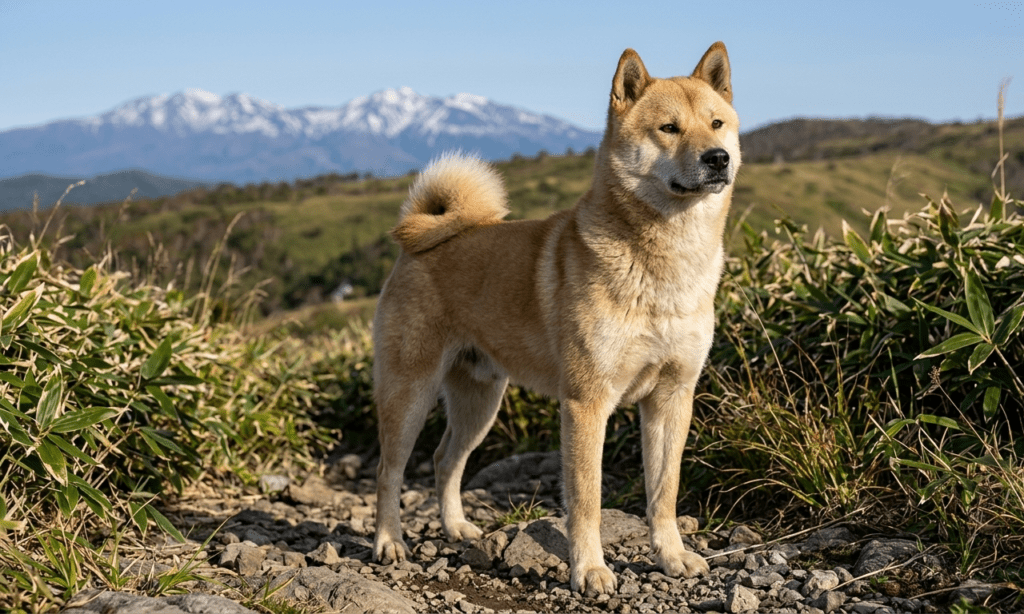
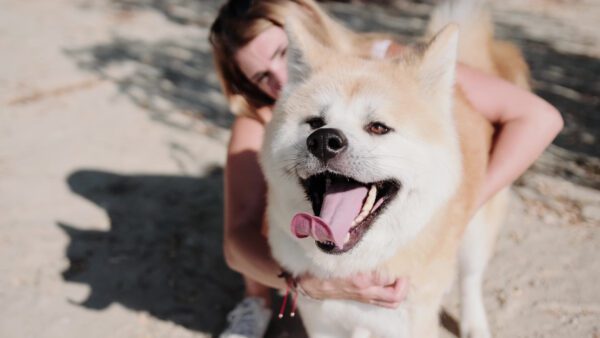
The Hokkaido is a loyal, athletic, and intelligent spitz breed known for courage, devotion, and an even temperament. This sturdy medium-size dog has a dense double coat, a keen mind, and a strong work ethic. Many people love the Hokkaido for its deep bond with family, confident nature, and readiness for outdoor adventures.
Research matters before you bring any dog home, and it matters even more with a rare breed like the Hokkaido. Adoption gives a dog a second chance, supports animal welfare, and often includes essential veterinary care at a lower total cost than buying. Maryland offers a strong fit for this breed when owners plan carefully. The state’s coastal humidity and hot summers mean you must manage heat, schedule exercise during cooler hours, and provide shade and water. Crisp falls and cold winters suit the Hokkaido’s weather-resistant coat, while Maryland’s trails, parks, and varied terrain create excellent outlets for daily activity. Urban living can also work when you commit to consistent training, secure fencing, and structured exercise every day.
You can avoid searching rescues and shelters separately by browsing Hokkaido listings in one place through Dog Academy. You can also use Dog Academy’s educational guides and adoption checklists to prepare your home, organize supplies, and understand each step of the process. In addition to centralized listings, you can check local animal shelters, regional rescues, and breed-specific rescue groups that serve Maryland and nearby states.
The process usually starts with browsing profiles and reading each dog’s history, energy level, and care needs. A well-written profile helps you assess whether a shy or confident temperament fits your household. Once you find a potential match, you complete an application that typically requests information about housing, schedule, experience with dogs, and current pets. Many organizations verify landlord approval for renters, request references, and schedule a phone interview to clarify expectations for training, exercise, and veterinary care.
After initial approval, most groups arrange a meet-and-greet to observe how you and the dog interact. Many require that all household members and resident dogs attend so the team can evaluate compatibility. Some organizations conduct home checks to confirm safe fencing, secure storage of cleaning products, and a quiet space for decompression during the first week. Timelines vary, but approvals in Maryland often take 1 to 3 weeks once your application is complete, with faster decisions possible when paperwork and scheduling align quickly.
If your ideal Hokkaido is not located in Maryland, some rescues arrange transport to move dogs between states. Transport can involve volunteer drivers or licensed carriers who follow set routes and schedules. Reputable groups provide a health certificate, communicate pickup details, and explain any added transport fees clearly before you commit.

|
How Much Does It Cost to Adopt a Hokkaido in Maryland?Most adopters in Maryland can expect a Hokkaido adoption fee in the range of $300 to $650. The exact amount depends on age, training history, medical care provided before adoption, and current demand for the breed. Puppies and young adults often sit at the higher end of the range, while seniors or dogs with special needs may fall lower. Fees usually cover spaying or neutering, vaccinations, microchipping, and veterinary exams. Many organizations also include deworming, heartworm testing, and a starter supply of preventatives. Costs can increase if a dog required dental work, orthopedic treatment, or behavioral support, and they can rise when long-distance transport is bundled into the adoption package. |
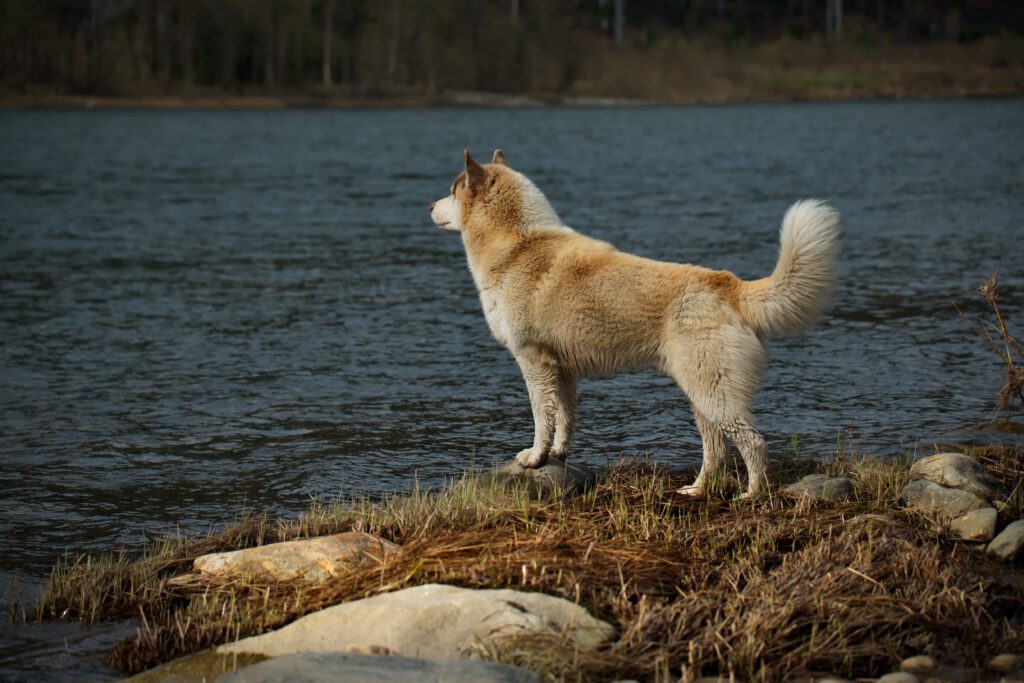
How Should I Train a Hokkaido?The Hokkaido is bright, observant, and eager to work with a trusted handler. The breed also shows independence, a strong prey drive, and thoughtful decision making. Success comes from clear structure, daily mental enrichment, and consistent positive reinforcement. Short, upbeat sessions that reward attention, calm behavior, and correct choices build engagement without frustration. Focus early training on reliable recall, loose-leash walking, polite greetings, and impulse control around wildlife. Use high-value rewards, maintain a predictable routine, and practice frequent check-ins during walks. Many Hokkaido dogs are naturally reserved with strangers, so early and ongoing socialization helps them feel safe and confident. Prevent pulling, chasing, or barrier reactivity by managing the environment, using a secure harness, and reinforcing focus before distractions escalate. When you want step-by-step guidance, Dog Academy’s online training courses provide structured lessons for foundation skills, confidence building, and real-world manners. You can follow videos at your own pace, learn how to set up the home environment, and troubleshoot common challenges like overarousal, boredom, or selective listening. |
|
The ideal Maryland adopter enjoys daily outdoor activity, values thoughtful training, and keeps a calm home routine. A secure yard, a commitment to structured exercise, and time for enrichment games set a Hokkaido up for success. Families with children can do well when adults supervise interactions, teach respectful handling, and maintain predictable rules.
Preparation supports a smooth transition. Gather supplies before pickup, plan a quiet decompression period, and schedule a first veterinary visit within the week. Take your time to research, ask questions, and meet candidates more than once when possible. With patience and a clear plan, you can adopt a Hokkaido in Maryland and enjoy a bond that grows stronger every season.

Introducing a new puppy to your current dog is often an exciting process, and many dogs will become fast friends and eas...
Read More
Rescue dogs can make great companions and can transform your home into something better. These dogs make great pets and ...
Read More
You should never rush to pet a dog. Even dog owners make the mistake of approaching unfamiliar dogs and petting them rig...
Read More
Puppy mill dogs are survivors who have endured extreme hardships in their lives. They have grown up in horrendous, unsan...
Read More
With their wagging tails and comforting presence, adopting a dog can add a unique touch to your life. It’s a heart...
Read More
Older dogs may have a few gray hairs around the edges, but that doesn’t mean they can’t make wonderful companions! T...
Read More