

























































































































































































Introducing a new puppy to your current dog is often an exciting process, and many dogs will become fast friends and eas...
Read More
How to Introduce a New Puppy to Your Dog

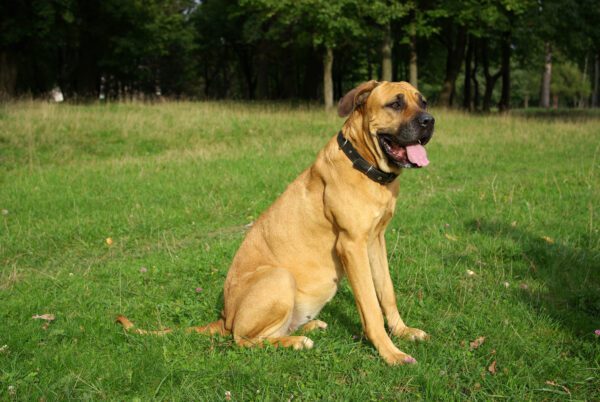
The Tosa Inu is a powerful, calm, and deeply loyal companion that bonds closely with family. Many owners value the breed’s quiet confidence, steady temperament, and natural sense of duty. This large guardian thrives with clear structure, thoughtful socialization, and consistent daily routines.
Research matters before you adopt a Tosa Inu in Maryland. Adoption lets you meet dogs with known histories, support lifesaving work, and often take home a dog that already received essential veterinary care. Careful preparation helps you match with a dog whose energy level, handling needs, and personality fit your home.
Maryland offers a strong environment for this breed when owners plan well. Summers are hot and humid, so a Tosa Inu needs shade, air conditioning, and cooler walk times. Winters are cold and damp, which calls for short, active outings and a warm place to rest indoors. Suburban neighborhoods and rural properties provide space for training and exercise, while urban settings can also work when you commit to leash manners, elevator etiquette, and calm exposures on busy streets. Trails and waterfront areas create great enrichment opportunities when you manage introductions and keep a reliable leash routine.
You can avoid searching rescues and shelters one by one by using Dog Academy to browse Tosa Inu adoption listings in one place. Dog Academy collects available dogs from local animal shelters, regional rescues, and breed-specific rescue groups so you can compare profiles quickly. You can also use Dog Academy’s educational guides and adoption checklists to prepare your home, budget, and training plan before you apply.
Begin by reviewing listings for Tosa Inu and Tosa Inu mixes across Maryland. This breed is rare, so you may expand your search to nearby regions if you do not see an immediate match. Many rescues provide transport, which means they coordinate moving an adoptable dog from one location to another using volunteers or professional carriers after you are approved. When transport is offered, the rescue explains routes, costs, and timing so you can plan the handoff day with confidence.
The adoption process usually starts with a detailed application that asks about your experience, schedule, fencing, and resident pets. Most groups conduct reference checks and may verify landlord approval if you rent. Meet-and-greets often happen at a shelter, a foster home, or a neutral site where you can evaluate handling, energy level, and compatibility with family members. Some organizations perform home checks to confirm safety, secure containment, and a practical setup for a large guardian breed. Approval timelines vary with staffing and demand, but many decisions in Maryland happen within 1 to 3 weeks once your application is complete.
Set yourself up for success by preparing documents in advance. Gather vaccination records for resident pets, a letter of approval from your landlord if you rent, and photos or a simple diagram of your yard and gates. Outline your training plan, daily schedule, and exercise routine so the adoption team understands how you will meet a Tosa Inu’s needs. This preparation helps reviewers trust that you can provide structure, safe handling, and lifelong commitment.
|
How Much Does It Cost to Adopt a Tosa Inu in Maryland?Because the Tosa Inu is uncommon, most available dogs in Maryland are adults through rescue networks. A realistic adoption fee for an adult Tosa Inu in Maryland is $350 to $550, while puppies, when available, often range from $500 to $700. Fees reflect the cost of care already provided, which commonly includes spaying or neutering, vaccinations, microchipping, and veterinary exams. Price can shift with age, training, recent medical care, and local demand. Seniors or special-needs dogs may be lower, while dogs that received advanced treatment or professional training may be higher. Heartworm treatment, orthopedic surgery, or extended boarding can add to expenses, which is why the fee for a rare large breed can vary within this narrow range. |
How Should I Train a Tosa Inu?The Tosa Inu is intelligent, thoughtful, and highly capable when you use clear communication and positive reinforcement. This breed responds well to calm leadership, predictable routines, and reward-based methods that build trust. Early socialization and careful exposure teach the dog to relax around new people, places, and equipment while staying responsive to cues. Focus on practical skills that matter in daily life. Teach loose-leash walking, impulse control at doors, and a reliable settle on a bed to encourage calm behavior at home. Build a strong recall with long-line practice in quiet areas before moving to busier spaces. Introduce muzzle conditioning as a positive skill so veterinary visits and new-dog introductions stay safe and low stress. Many Tosa Inu dogs can be selective with other dogs, so plan controlled exposures and prioritize distance, timing, and handler focus during walks. For step-by-step guidance, enroll in Dog Academy’s online training courses to follow structured lessons for large-breed manners, socialization, and confidence building. |

|
The ideal Tosa Inu adopter is an experienced dog owner who enjoys daily structure, consistent training, and calm companionship. A secure home setup, a predictable schedule, and the willingness to manage a strong dog are essential. When you prepare thoughtfully, this breed rewards you with deep loyalty and steady presence.
Take your time, ask clear questions, and make sure the dog’s needs match your lifestyle. Use Dog Academy to streamline your search, learn from expert resources, and craft a training plan before adoption day. With patience and preparation, you can adopt a Tosa Inu in Maryland and build a safe, happy life together.
Introducing a new puppy to your current dog is often an exciting process, and many dogs will become fast friends and eas...
Read More
Rescue dogs can make great companions and can transform your home into something better. These dogs make great pets and ...
Read More
You should never rush to pet a dog. Even dog owners make the mistake of approaching unfamiliar dogs and petting them rig...
Read More
Puppy mill dogs are survivors who have endured extreme hardships in their lives. They have grown up in horrendous, unsan...
Read More
With their wagging tails and comforting presence, adopting a dog can add a unique touch to your life. It’s a heart...
Read More
Older dogs may have a few gray hairs around the edges, but that doesn’t mean they can’t make wonderful companions! T...
Read More