






























































































































































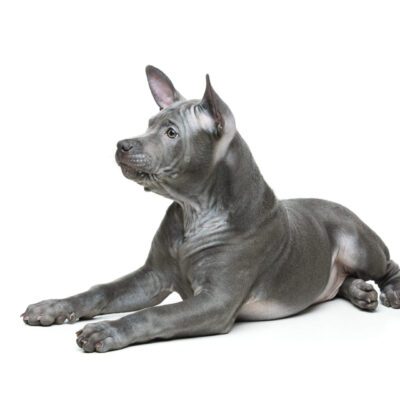













Introducing a new puppy to your current dog is often an exciting process, and many dogs will become fast friends and eas...
Read MoreAdopt Me





The Rhodesian Ridgeback is a powerful, athletic hound with a calm, loyal nature at home. The breed is devoted to family, reserved with strangers, and confident without being pushy. Ridgebacks thrive when they have clear guidance, daily exercise, and time with their people. Careful research helps you match this energetic dog with your lifestyle before you bring one home.
Choosing adoption helps a dog in need and supports responsible animal welfare. Adopted dogs often arrive with initial veterinary care completed, and many come with helpful behavior notes from shelter staff or foster caregivers. Adoption also encourages thoughtful placement that considers your household, activity level, and training goals.
Maryland offers a strong fit for many Ridgebacks when exercise and safety are planned well. Humid summers near the bay demand shade, water, and rest during the hottest hours. Cold winters in the western counties call for a warm coat and limited exposure. The state’s mix of suburbs, cities, farms, and coastal trails gives active owners many options for long walks and steady runs. Local ordinances typically require licensing and rabies vaccination, so new adopters should review county rules before bringing a dog home.
You can avoid searching rescues and shelters separately by using adoption listings from Dog Academy. The platform lets you browse available dogs in one place, filter by age and size, and read clear profiles. You can also use Dog Academy’s educational guides and adoption checklists to prepare your home, plan your first week, and set up a training routine.
Adoptable Ridgebacks and Ridgeback mixes appear through local animal shelters, regional rescues, foster-based networks, and breed-specific rescue groups. Some dogs are surrendered by owners who can no longer meet the breed’s exercise needs. Others arrive from rural shelters where large hounds are common but adoption traffic is lighter. Foster caregivers often share detailed insights about house manners, crate comfort, and compatibility with children or other pets.
The process starts by browsing listings and selecting dogs that fit your lifestyle. An application typically asks for identification, veterinary references, proof of landlord approval if you rent, and details about your daily schedule. Many groups invite you to a meet-and-greet to observe temperament, energy level, and handling comfort. If you have resident pets, an introduction is often required to ensure safe, low-stress blending. Home checks may be virtual or in person to confirm secure fencing, safe storage of household hazards, and a plan for exercise and supervision.
Approval timelines in Maryland often range from 3 to 14 days, though popular puppies can take longer. Some groups offer a foster-to-adopt period, which allows the dog to live in your home briefly before finalizing the adoption so everyone can confirm a good fit. When dogs are located outside your area, rescues may arrange transport to move dogs between locations using volunteer drivers or professional carriers. Transport usually requires a veterinary health certificate and a confirmed pick-up point, and adopters may pay a modest transport fee to cover fuel and logistics.

|
How Much Does It Cost to Adopt a Rhodesian Ridgeback in Maryland?In Maryland, the typical adoption fee for a Rhodesian Ridgeback or Ridgeback mix ranges from $300 to $550. Puppies and young adults often fall at the higher end, and seniors may be lower. Fees reflect breed demand, age, prior training, and medical care. Most groups include spaying or neutering, vaccinations, microchipping, and veterinary exams. Many provide deworming and a heartworm test, and some offer a short post-adoption wellness window for support. Plan for additional costs after adoption to set your dog up for success. Initial supplies such as a crate, bed, leash, collar, food, and bowls often total $150 to $300. Licensing and a county tag typically add $10 to $30. Early training and enrichment tools provide strong value for a smart, high-drive hound and help prevent problem behaviors that can be costly later. |
How Should I Train a Rhodesian Ridgeback?Rhodesian Ridgebacks are intelligent and athletic, which makes training rewarding when sessions are focused and upbeat. The breed has an independent streak and a strong prey drive, so recall and impulse control deserve early attention. Use positive reinforcement with food, toys, and praise. Keep sessions short, build difficulty gradually, and reward calm choices. Socialize your dog with friendly people and stable dogs, practice loose-leash walking in quiet areas, and reinforce a solid settle cue for restful house manners. Dog Academy’s online training courses provide step-by-step lessons for puppy foundations, adolescent manners, reliable recall, and loose-leash walking. Courses also cover crate comfort, polite greetings, and enrichment games that channel a Ridgeback’s energy into productive work. Clear video instruction and practice plans help you stay consistent, which is essential for a breed that notices gaps in routine. |

|
The ideal adopter enjoys daily activity, practices consistent training, and feels confident managing a strong, athletic dog. A secure yard is helpful, but a committed exercise plan with structured walks and purposeful play can also meet this breed’s needs. Preparation matters, which includes scheduling a veterinary visit, stocking key supplies, and setting ground rules for the entire household.
Take your time, ask detailed questions, and choose a dog whose energy and temperament match your life. When you are ready to adopt a Rhodesian Ridgeback in Maryland, start with the streamlined listings and trusted guidance from Dog Academy. With patience and planning, you will bring home a loyal partner who is eager to explore Maryland by your side.

Introducing a new puppy to your current dog is often an exciting process, and many dogs will become fast friends and eas...
Read More
Rescue dogs can make great companions and can transform your home into something better. These dogs make great pets and ...
Read More
You should never rush to pet a dog. Even dog owners make the mistake of approaching unfamiliar dogs and petting them rig...
Read More
Puppy mill dogs are survivors who have endured extreme hardships in their lives. They have grown up in horrendous, unsan...
Read More
With their wagging tails and comforting presence, adopting a dog can add a unique touch to your life. It’s a heart...
Read More
Older dogs may have a few gray hairs around the edges, but that doesn’t mean they can’t make wonderful companions! T...
Read More