









































































































































































Introducing a new puppy to your current dog is often an exciting process, and many dogs will become fast friends and eas...
Read MoreAdopt Me

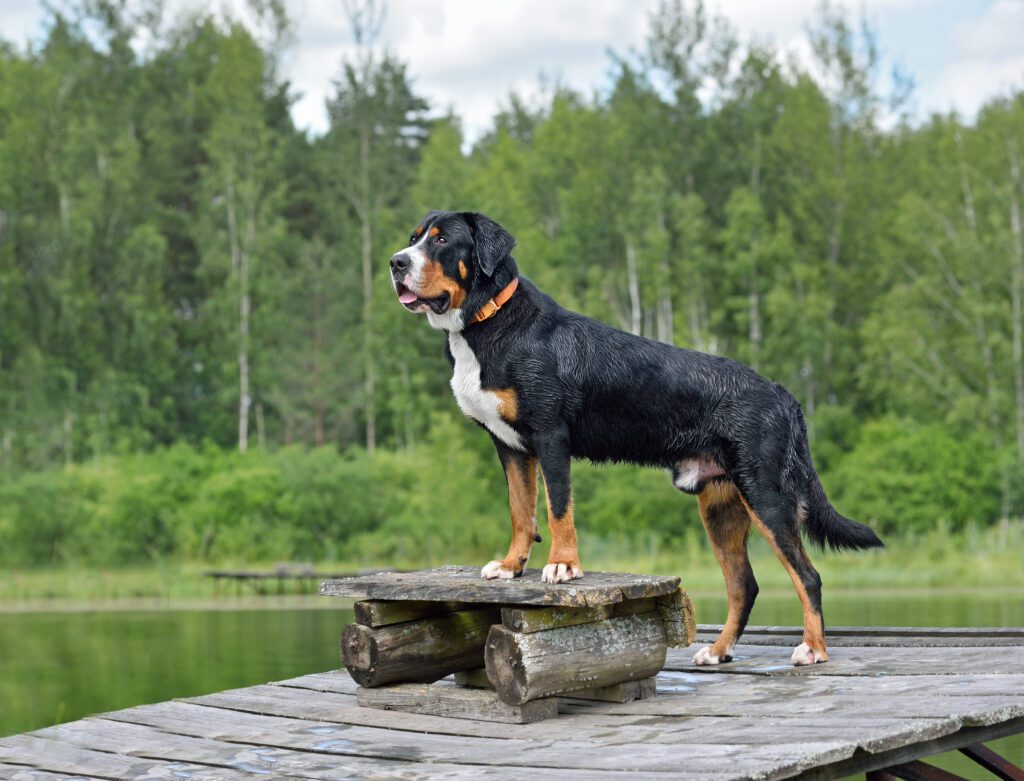


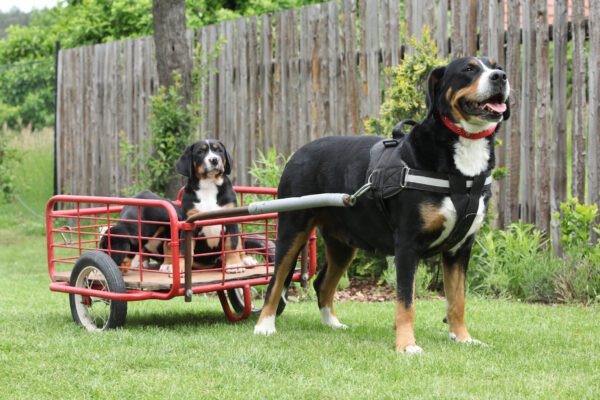
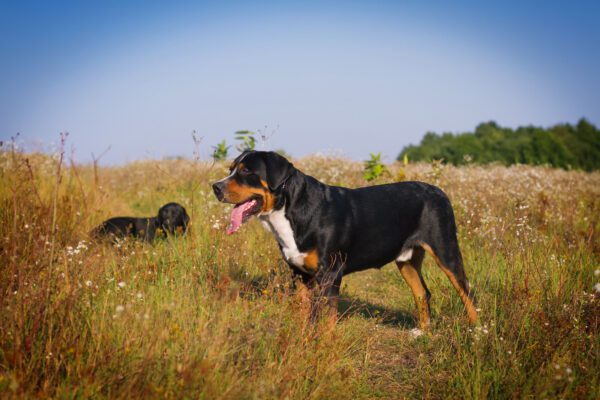
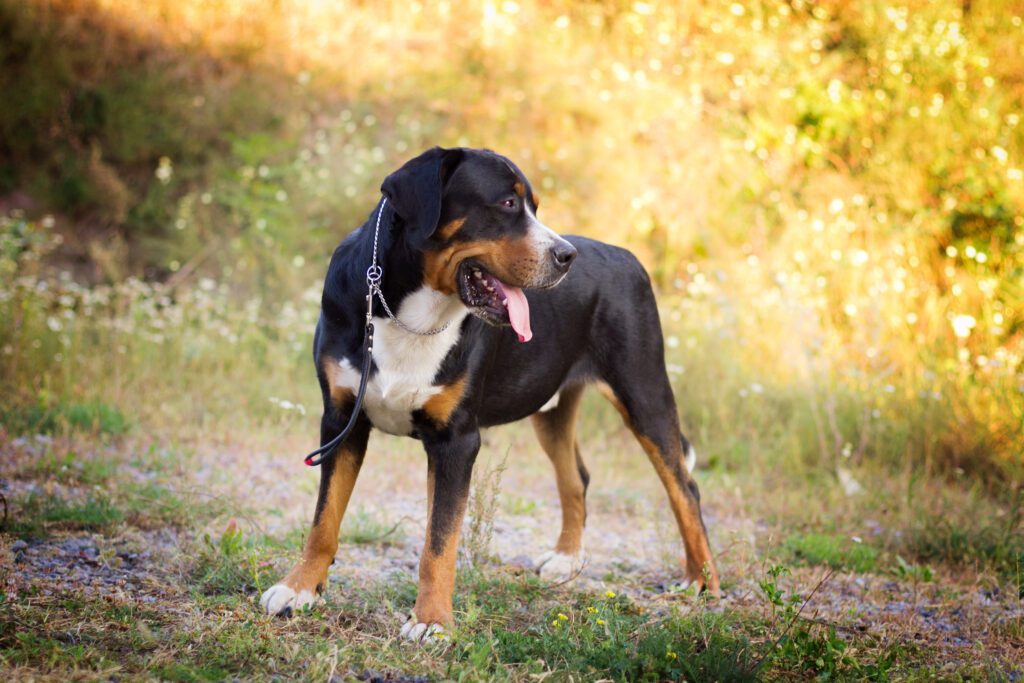
The Greater Swiss Mountain Dog is a confident, stable, and affectionate companion that loves to be with people. This large working breed brings steady energy, a calm demeanor indoors, and a loyal, watchful presence that suits families who want a gentle guardian. The coat is dense and sheds heavily, which means regular brushing is important. Thoughtful research helps you decide if this powerful breed matches your lifestyle before you adopt.
Adoption gives a dog a second chance and helps reduce the demand for commercial breeding. Many adopters also appreciate that rescued dogs are often temperament tested and medically vetted, which supports a smoother transition into the home. When you adopt a Greater Swiss Mountain Dog in Maryland, you will likely meet dogs that have been fostered and observed in real homes, which provides helpful insight into daily behavior and needs.
Maryland offers a good environment for this breed in cooler months, and it presents a few challenges during summer. The Greater Swiss Mountain Dog handles cold weather well, yet the humid Maryland summer requires shade, cool rest periods, and careful hydration. The state’s varied geography, from coastal plains to rolling hills and mountains, offers excellent hiking and training opportunities. Suburban neighborhoods and rural properties fit this breed best, though apartment living can work with a structured exercise plan that includes long daily walks and mental enrichment.
You can avoid searching local animal shelters and regional rescues separately by browsing listings through Dog Academy. The platform gathers adoptable dogs from multiple sources, which saves time and helps you compare matches in one place. You can also look at local animal shelters, regional rescues, breed-specific rescue groups, and foster-based networks. Always read each dog’s profile carefully so you understand age, temperament, medical history, and any special needs.
The process usually starts with browsing listings and submitting an application. Applications ask about your home, schedule, experience with large breeds, veterinary references, and plans for exercise and training. Strong applications describe daily routines, outline a safe space for rest, and confirm that all household members agree on expectations for care and training.
Most groups schedule a meet-and-greet after a preliminary review. Meetings can happen at a shelter, an adoption event, or a foster home. Bring all household members to check compatibility, and request a supervised introduction with resident dogs. Some organizations complete a home check, which verifies safe containment, secure doors and gates, and an environment that can handle a 100 to 140 pound dog. Approval timelines vary by group, though many decisions finalize within 1 to 3 weeks.
You may see suitable dogs outside Maryland. Rescues sometimes arrange transport to move dogs between locations when a great match is found. Transport is often organized by volunteers or professional carriers that follow safety protocols and require health certificates. Finalization can happen before travel or at pickup based on the group’s policy, and you may receive a short trial period to ensure a good fit.
Always adopt with an understanding of Greater Swiss Mountain Dog needs. This breed is strong, social, and sometimes independent, and it benefits from early training, consistent structure, and daily exercise. Puppies need careful stair use and controlled activity to protect growing joints. Adults require steady walks, mental enrichment, and predictable routines that reduce stress during the first weeks at home.
|
How Much Does It Cost to Adopt a Greater Swiss Mountain Dog in Maryland?In Maryland, adopters typically pay about $300 to $550 through breed-focused rescues. When a Greater Swiss Mountain Dog or a close mix enters a local shelter, fees often land around $150 to $350. Puppies and highly in-demand dogs can cost about $450 to $650 because of higher veterinary expenses and greater demand. Fees usually include spaying or neutering, vaccinations, microchipping, and veterinary exams. Many groups also cover deworming and heartworm testing for adults, and some provide a starter supply of preventives or training support. Age, training level, medical care, and demand influence price. Younger dogs and dogs with recent medical workups often cost more, while seniors and special-needs dogs may cost less. Well-documented behavior assessments, basic training, and current preventives can also affect the final fee. |
How Should I Train a Greater Swiss Mountain Dog?The Greater Swiss Mountain Dog is intelligent and eager to work with people, yet many dogs show a thoughtful, sometimes independent streak. Short, upbeat sessions with food rewards and praise work best. Teach foundation skills first, including name recognition, hand target, sit, down, stay, and recall. Add loose-leash walking early, since this breed is large and strong, and introduce polite greetings to prevent jumping. Socialization should be steady and positive, with calm exposure to new people, dogs, sounds, and surfaces. Prevent problem behaviors through management and routine. Provide daily exercise that balances physical activity with mental work through scent games, food puzzles, and basic cart manners once your veterinarian confirms skeletal maturity. If your dog barks when excited or pulls toward distractions, reward quiet checks-in and reinforce heel position in low-distraction settings before advancing outside. For expert guidance you can follow at home, explore Dog Academy’s online training courses, which offer step-by-step lessons for leash manners, recall, crate training, and calm behavior during daily life. |
|
The ideal adopter enjoys daily outdoor time, values calm companionship, and can guide a large, powerful dog with kindness and structure. A secure yard or a commitment to long walks supports healthy outlets for energy. Families with children can succeed when they supervise interactions, teach gentle handling, and maintain clear rules for both kids and dog.
Preparation leads to a smooth transition. Set up a quiet sleep area, gather a well-fitted harness, sturdy leash, and chew-safe enrichment, and plan a slow introduction to new people and places. Take your time, ask questions, and use trusted resources. When you adopt a Greater Swiss Mountain Dog in Maryland with thoughtful planning, you give a deserving dog a stable home and gain a loyal partner for years to come.

Introducing a new puppy to your current dog is often an exciting process, and many dogs will become fast friends and eas...
Read More
Rescue dogs can make great companions and can transform your home into something better. These dogs make great pets and ...
Read More
You should never rush to pet a dog. Even dog owners make the mistake of approaching unfamiliar dogs and petting them rig...
Read More
Puppy mill dogs are survivors who have endured extreme hardships in their lives. They have grown up in horrendous, unsan...
Read More
With their wagging tails and comforting presence, adopting a dog can add a unique touch to your life. It’s a heart...
Read More
Older dogs may have a few gray hairs around the edges, but that doesn’t mean they can’t make wonderful companions! T...
Read More