


























































































































































































Introducing a new puppy to your current dog is often an exciting process, and many dogs will become fast friends and eas...
Read MoreAdopt Me
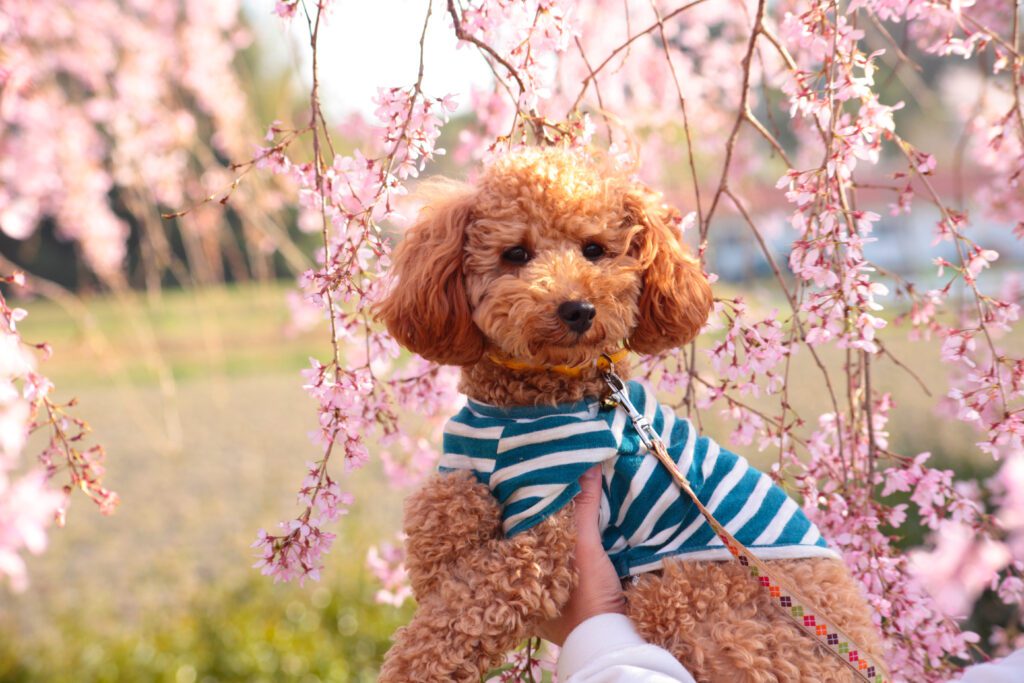
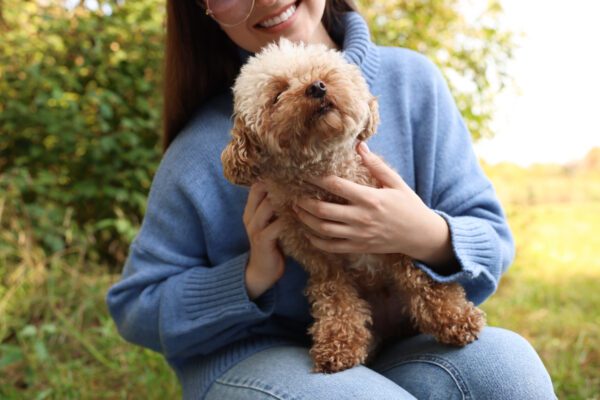
The Bichon Poodle, also called a Bichon Frise and Poodle mix, is a cheerful, affectionate, and highly trainable companion. This small dog usually has a soft, low-shedding coat and a friendly nature that fits well with families, retirees, and first-time adopters. The mix balances playful energy with a love of cuddling, which creates an easygoing housemate that still enjoys daily activity.
Responsible adoption starts with research. Understanding grooming needs, exercise requirements, and health considerations helps every adopter choose a good match. Adoption is preferable to buying because it supports animal welfare and opens space for the next dog in need. Adopters also receive dogs that have already received essential veterinary care, which creates a safer and more predictable start at home.
Minnesota’s climate includes long, cold winters and hot summers. A Bichon Poodle handles indoor living well, which suits apartment life in urban areas and relaxed routines in suburban or rural homes. Winter walks require a warm coat, paw protection, and shorter outings during extreme cold. Reliable indoor play, puzzle toys, and short training sessions keep this mix satisfied when sidewalks are icy. Summer activities near lakes and trails are a great fit as long as adopters manage heat, insects, and hydration.
You can avoid searching shelters and rescues separately by using Dog Academy adoption listings. Dog Academy gathers available dogs from local animal shelters, regional rescues, and foster-based groups in one place. Dog Academy also provides educational guides and adoption checklists that help you compare options, prepare documents, and plan your first weeks at home.
Adoptable Bichon Poodles in Minnesota are most often found through local animal shelters, regional rescues, and breed-focused rescue groups that specialize in small or low-shedding dogs. Foster-based organizations are common for this mix, which means many dogs live in homes while waiting for adopters. Foster notes can reveal house manners, energy level, and compatibility with children or other pets.
The process usually begins with browsing listings and reading full profiles. A complete profile explains age, size, behavior notes, and any known medical history. After finding a good match, you submit an application that includes personal information, lifestyle details, references, and landlord approval when you rent. Some groups request a virtual or in-person home check to confirm safe fencing, secure doors, and proper space for a small dog. Meet-and-greets follow, which may happen at a shelter, an adoption center, or a foster home. Approval timelines vary with demand and volunteer availability, though many Minnesota adopters move from application to decision within 1 to 3 weeks.
Not every Bichon Poodle will be in your city. Rescues sometimes arrange transport to move dogs between locations when a strong adopter match appears. Transport is often arranged by rescues to move dogs between states using volunteer drivers or partnered carriers, and adopters may pay a modest transport fee to cover fuel and health certificates. Clear communication about arrival dates, veterinary paperwork, and pickup procedures helps the handoff run smoothly.

|
How Much Does It Cost to Adopt a Bichon Poodle in Minnesota?Most Minnesota shelters and rescues list Bichon Poodle mixes between $350 and $550. Fees for puppies and high-demand small dogs often sit near the upper end, while adult or senior dogs usually cost less. The fee reflects spaying or neutering, vaccinations, microchipping, and veterinary exams. Fees can also rise when recent dental cleanings, grooming to remove matting, or diagnostic tests are included. Price varies with age, prior training, recent medical care, and local demand for low-shedding small breeds. Transport from another region, when applicable, can add a separate, clearly stated charge. Always read the itemized breakdown so you understand exactly what is covered. |
How Should I Train a Bichon Poodle?The Bichon Poodle is intelligent, people-focused, and eager to learn. Short, upbeat sessions produce quick progress because this mix responds best to positive reinforcement. Reward desired behaviors with small treats, toys, and praise. Keep sessions lively and end on success to maintain confidence. Common challenges include house training, barking at unfamiliar sounds, and clinginess that can develop into separation issues. A consistent schedule, frequent outdoor breaks, and calm crate training help with house manners. Teach a quiet cue, reward calm behavior, and provide daily mental enrichment to reduce unnecessary barking. Practice short departures, use food puzzles, and build independence to prevent anxiety. Polish manners with impulse control games, recall practice, and loose-leash walking. Start socialization early by introducing controlled experiences in hallways, indoor training spaces, and quiet shops when winter weather limits outdoor time. For structured support at home, explore Dog Academy’s online training courses, which explain step-by-step methods for puppy foundations, obedience, and behavior problem-solving. |

|
The ideal adopter enjoys daily walks, gentle play, and regular grooming. A Bichon Poodle thrives with people who provide routine, patience, and kind guidance. A flexible schedule works well for a small dog that prefers company and consistent bathroom breaks, especially during the first weeks after adoption.
Preparation leads to success. Set up a safe space with a crate, bed, and baby gates, and book a veterinary visit and a grooming plan before your dog arrives. Take time, read full profiles, ask thoughtful questions, and move at a pace that feels right. When you are ready, use Dog Academy resources to research, train, and adopt with confidence in Minnesota.

Introducing a new puppy to your current dog is often an exciting process, and many dogs will become fast friends and eas...
Read More
Rescue dogs can make great companions and can transform your home into something better. These dogs make great pets and ...
Read More
You should never rush to pet a dog. Even dog owners make the mistake of approaching unfamiliar dogs and petting them rig...
Read More
Puppy mill dogs are survivors who have endured extreme hardships in their lives. They have grown up in horrendous, unsan...
Read More
With their wagging tails and comforting presence, adopting a dog can add a unique touch to your life. It’s a heart...
Read More
Older dogs may have a few gray hairs around the edges, but that doesn’t mean they can’t make wonderful companions! T...
Read More