


























































































































































































Introducing a new puppy to your current dog is often an exciting process, and many dogs will become fast friends and eas...
Read MoreAdopt Me

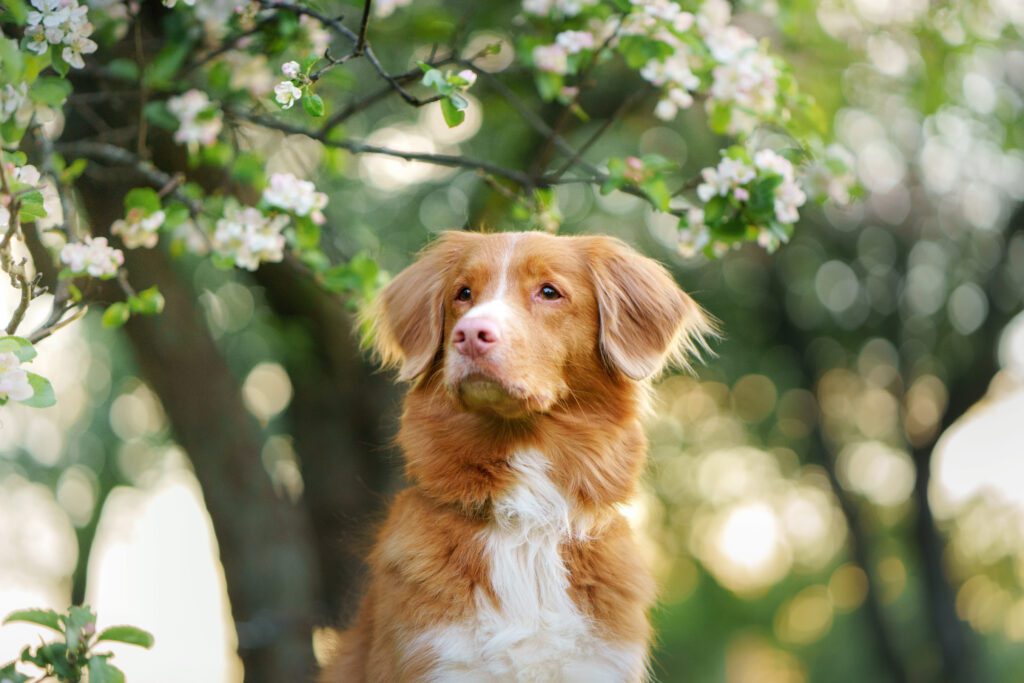


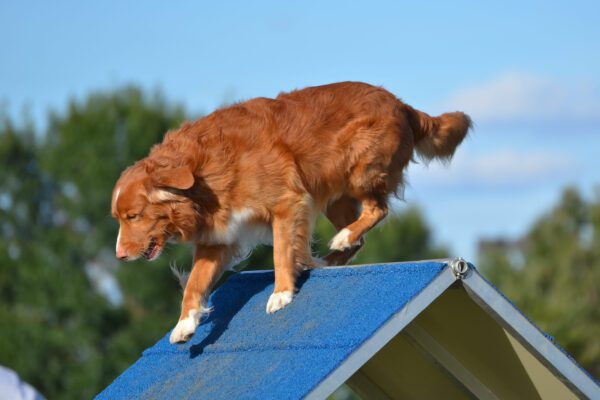
The Nova Scotia Duck Tolling Retriever is an energetic, bright, and affectionate sporting dog. This compact retriever loves to retrieve, swim, and learn new games. Tollers bond closely with their families and thrive on daily exercise and mental challenges. Their foxlike look and cheerful disposition make them an appealing partner for active households.
Careful research helps every adoption succeed. Adoption gives a deserving dog a second chance and often provides valuable history from shelter or foster caregivers. Many adopted Tollers already receive basic veterinary care, which reduces first-month costs. Wyoming offers wide-open spaces and clean mountain air that suit a hardy retriever, yet the state’s high altitude, strong sun, dry air, and frigid winters require thoughtful care. A Toller’s dense coat handles cold well, but paw protection, hydration, and structured indoor enrichment are essential during extreme weather.
You can avoid searching rescues and shelters separately by browsing Dog Academy adoption listings. You can filter by location, age, and temperament to find fits in minutes. Dog Academy also provides helpful guides and step-by-step adoption checklists so you feel prepared before you apply.
Adoptable Tollers may appear through local animal shelters, regional rescues, breed-specific rescue groups, or foster-based networks. Start by reading each profile closely. Look for notes about energy level, training history, comfort with children, cats, or livestock, and any medical needs. Create a short list that matches your lifestyle, travel schedule, and housing rules in Wyoming.
Most organizations ask you to submit an application with references, proof of housing, and permission from a landlord if you rent. An adoption counselor often schedules a call to confirm fit and to answer questions about the breed’s exercise and training needs. A meet-and-greet follows at the facility, a foster home, or a neutral public space. Many groups complete a home check that may be virtual or in person to confirm safe fencing, secure doors, and suitable indoor space. Approval timelines vary. Shelters may finalize in 3 to 7 days, while rescues often take 1 to 3 weeks, especially for puppies or dogs with special needs. Some rescues arrange transport to move dogs between locations when a strong match is found. Transport usually involves coordinated drivers or licensed carriers, health certificates, and scheduled handoffs to keep the dog safe.

|
How Much Does It Cost to Adopt a Nova Scotia Duck Tolling Retriever in Wyoming?In Wyoming, a realistic adoption fee for an adult Toller through a shelter generally falls between $250 and $450. Breed-focused rescues that place Tollers with Wyoming adopters typically range from $400 to $700, and this range sometimes includes partial transport or extra medical care. Fees usually cover spaying or neutering, vaccinations, microchipping, and veterinary exams. Prices shift with age, training, medical care, and demand. Puppies and young, highly adoptable dogs often sit at the top of the range. Dogs that arrive after orthopedic care, dental work, or behavioral support may cost more to offset expenses. Rural transport into Wyoming can add to fees when fuel, health certificates, and safe crating are required. |
How Should I Train a Nova Scotia Duck Tolling Retriever?The Toller is intelligent, eager, and sensitive, which makes training fast and rewarding. Positive reinforcement with food, toys, and play keeps motivation high. Short, upbeat sessions work best. Daily games that channel retrieve drive, such as structured fetch and search games, help meet mental and physical needs. Foundation skills like settle on a mat, loose-leash walking, and impulse control around doors build calm habits. Common challenges include vocalizing when excited, mouthiness during play, and a strong chase instinct. Early socialization helps a Toller stay confident with new people and busy environments. Reliable recall and rock-solid leave-it are vital in Wyoming where wildlife is common. Consistency, patience, and clear criteria prevent frustration in this sensitive breed. For step-by-step coaching you can follow at home, explore Dog Academy’s online training courses that cover obedience, leash skills, recall, and enrichment plans tailored to active dogs. |
|
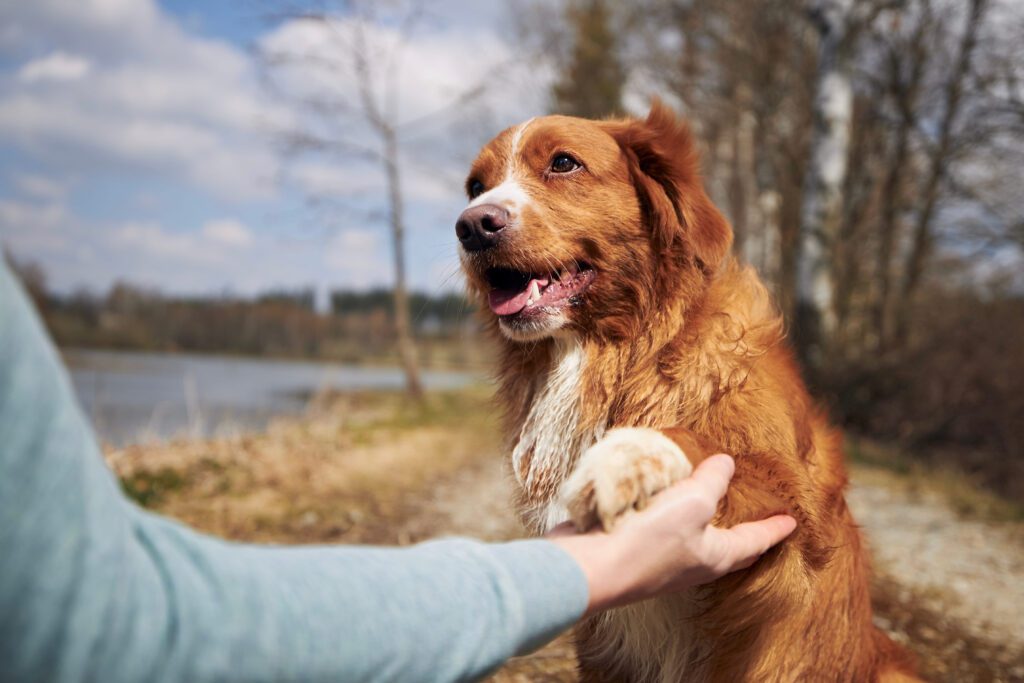
The ideal Toller adopter enjoys daily activity, structured training, and regular enrichment. Hikers, runners, and families who like outdoor time often find this breed a perfect match. A fenced yard helps, yet thoughtful leash skills and indoor games can meet needs when weather turns severe.
Preparation sets you up for success. Gather supplies, line up a veterinarian, and plan a training routine before your dog comes home. Take your time, ask detailed questions, and choose the individual dog that fits your lifestyle today. When you are ready, use Dog Academy to discover available Tollers and to follow clear, supportive guidance from application to homecoming.

Introducing a new puppy to your current dog is often an exciting process, and many dogs will become fast friends and eas...
Read More
Rescue dogs can make great companions and can transform your home into something better. These dogs make great pets and ...
Read More
You should never rush to pet a dog. Even dog owners make the mistake of approaching unfamiliar dogs and petting them rig...
Read More
Puppy mill dogs are survivors who have endured extreme hardships in their lives. They have grown up in horrendous, unsan...
Read More
With their wagging tails and comforting presence, adopting a dog can add a unique touch to your life. It’s a heart...
Read More
Older dogs may have a few gray hairs around the edges, but that doesn’t mean they can’t make wonderful companions! T...
Read More