
























































































































































































Introducing a new puppy to your current dog is often an exciting process, and many dogs will become fast friends and eas...
Read MoreAdopt Me

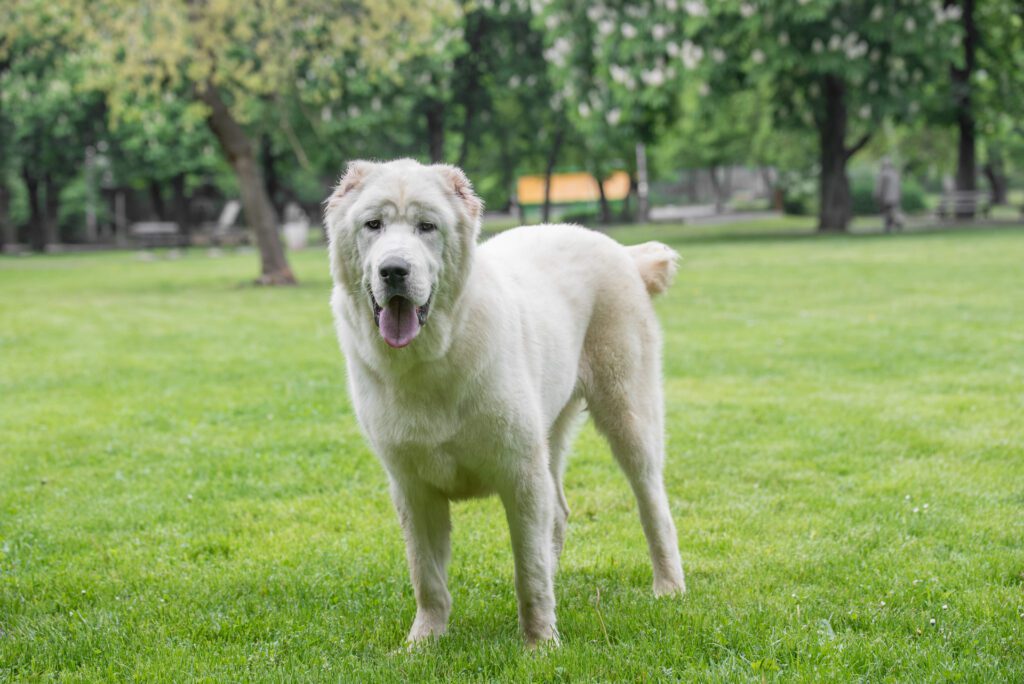


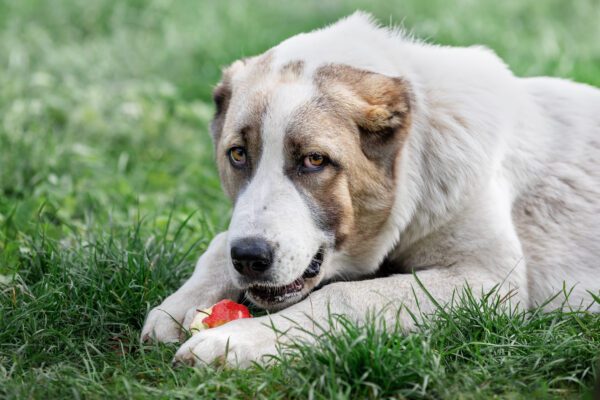
The Central Asian Shepherd is a powerful livestock guardian known for calm confidence, fierce loyalty, and steady independence. Families appreciate this breed’s protective nature and steady demeanor, while ranchers value its instinct to watch property and animals. The breed can be affectionate with its people, yet it stays discerning with strangers, which makes consistent training and thoughtful socialization essential.
Before you adopt a Central Asian Shepherd in Wyoming, research must come first. This breed thrives when owners understand guardian instincts, territorial behavior, and the need for firm but fair leadership. Adoption is often preferable to buying because rescues complete medical care, assess behavior, and match dogs to the right homes, which reduces surprises and supports long-term success.
Wyoming offers a strong fit for many Central Asian Shepherds. The dry, cold winters favor the breed’s dense coat, and wide-open spaces suit a dog built for patrolling. The state’s high winds and temperature swings require robust shelter and secure fencing. Rural living can work very well when owners provide structure, safe boundaries, and daily engagement. Urban living can also work when owners commit to training, controlled exposure to new sights and sounds, and regular exercise that includes mental work.
You can avoid searching rescues and shelters separately by browsing adoption listings with Dog Academy. Dog Academy organizes dogs from local animal shelters, regional rescues, and breed-specific rescue groups in one place, and Dog Academy also provides educational guides and adoption checklists that help you prepare your home and your schedule. If you prefer to look locally, you can contact nearby animal shelters, reach out to regional rescues that handle large guardians, and watch for breed-specific rescue groups that serve multiple states.
Start by browsing listings and reading each profile closely. Profiles usually describe age, temperament, energy level, and home needs. Many Central Asian Shepherds do best with secure fencing, experienced handlers, and thoughtful introductions to visitors. When a profile fits your lifestyle, submit an application that includes information about your household, your experience with large breeds, and your plans for training and containment.
After you apply, most groups schedule a phone interview and may ask for landlord approval or proof of property ownership when housing rules require it. Meet-and-greets follow, which let you and the dog interact in a controlled setting. Many groups also schedule a home check to confirm safe fencing, stable gates, and adequate space. Home checks can be virtual or in person when travel allows. Approval timelines vary by group and by the number of applicants, and most timelines range from a few days to a few weeks.
Wyoming adopters sometimes work with out-of-state rescues when local availability is limited. In those cases, rescues may arrange transport between locations to move dogs from one region to another using volunteer drivers or licensed transport services. Transport can add time and may include a modest fee, and reputable groups explain routes, dates, and safety protocols before confirming travel.
|
How Much Does It Cost to Adopt a Central Asian Shepherd in Wyoming?Most adopters in Wyoming can expect to pay about $150 to $350 for an adult Central Asian Shepherd and about $250 to $500 for a puppy. Fees trend toward the lower end at municipal shelters and toward the higher end at breed-focused rescues that invest more in training and medical care. Costs vary with age, training history, medical needs, and local demand for large guardian breeds in rural areas. Adoption fees typically include spaying or neutering, vaccinations, microchipping, and veterinary exams. Many groups also provide deworming and behavioral evaluations, which help you start with a clear health and training baseline. Transport, specialized medical treatment, and extra training support can increase total costs, and reputable groups itemize those additions in writing before you commit. |
How Should I Train a Central Asian Shepherd?The Central Asian Shepherd is intelligent and thoughtful, yet it stays independent because it was bred to make decisions while guarding property and livestock. Training should focus on building trust, rewarding calm choices, and teaching reliable house rules. Positive reinforcement works best because this breed responds to clear guidance and fair leadership, not harsh corrections. Start early with socialization that includes controlled exposure to people, friendly dogs, livestock, vehicles, and new surfaces. Prioritize impulse control, boundary training, and leash skills, and reinforce a solid settle on a mat so the dog can relax when visitors arrive. Many Central Asian Shepherds do not offer a perfect off-leash recall, so plan secure fencing, long-line practice, and structured activity in safe areas. Consistency matters more than intensity. Short daily sessions build better habits than long, infrequent drills. If you want expert support at home, explore Dog Academy’s online training courses, which cover foundation skills, leash manners, impulse control, and behavior problem-solving for large breeds. |

|
The ideal adopter understands large guardians, values calm structure, and can provide secure fencing, daily engagement, and patient training. Families that live rurally or have space to roam often find that this breed settles well when given a clear job, even if that job is calmly patrolling a yard and relaxing indoors with the family.
Take your time, ask thorough questions, and prepare your home before you bring a dog home. When you research carefully and match temperament to your lifestyle, you give your new Central Asian Shepherd a safe start and a happy future in Wyoming. Browse listings with Dog Academy, review the adoption checklists, and move forward when everything feels like the right fit.

Introducing a new puppy to your current dog is often an exciting process, and many dogs will become fast friends and eas...
Read More
Rescue dogs can make great companions and can transform your home into something better. These dogs make great pets and ...
Read More
You should never rush to pet a dog. Even dog owners make the mistake of approaching unfamiliar dogs and petting them rig...
Read More
Puppy mill dogs are survivors who have endured extreme hardships in their lives. They have grown up in horrendous, unsan...
Read More
With their wagging tails and comforting presence, adopting a dog can add a unique touch to your life. It’s a heart...
Read More
Older dogs may have a few gray hairs around the edges, but that doesn’t mean they can’t make wonderful companions! T...
Read More