























































































































































































Introducing a new puppy to your current dog is often an exciting process, and many dogs will become fast friends and eas...
Read More
How to Introduce a New Puppy to Your Dog

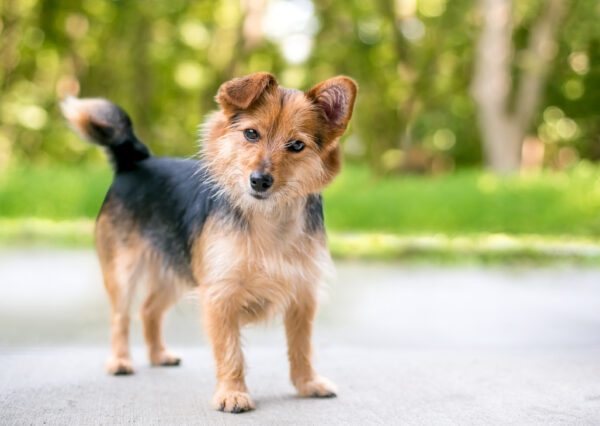
The Chorkie blends the spunk of a Yorkshire Terrier with the devotion of a Chihuahua. This small companion thrives on attention, learns quickly, and loves curling up with the family after a brisk walk. Many Chorkies are playful, alert, and affectionate, and they often form strong bonds with their people. Their small size makes daily care manageable, though their energy and curiosity call for structure and enrichment.
Research matters because mixed-breed traits can vary. A Chorkie may inherit a terrier’s boldness or a Chihuahua’s sensitivity, or a mix of both. Plan for daily mental games, gentle socialization, and consistent house training. Light grooming suits most Chorkies, yet regular brushing and routine dental care are essential because small mouths can crowd teeth. Adoption works best when you understand what this dog needs to feel safe and confident.
Adoption is preferable to buying because it helps a dog in need and supports the lifesaving work of shelters and rescues. Wyoming’s wide-open spaces and quieter towns suit a small companion that enjoys short walks and lots of indoor time. Cold, windy winters create challenges for tiny dogs, so a Chorkie needs indoor living, a snug winter coat, and careful monitoring during outdoor breaks. High altitude and dry air mean steady hydration and skin care are helpful, and gentle handling keeps a petite dog safe in active households.
You can skip searching shelters and rescues one by one by using Dog Academy. Dog Academy’s adoption listings gather dogs from multiple sources so you can browse in one place, filter for size and age, and set alerts. You can also read educational guides and follow adoption checklists to prepare your home, supplies, and schedule before you apply.
Start by checking local animal shelters, regional rescues, and breed-specific rescue groups that take in small dogs. Many organizations list dogs online, and some host weekend events where you can meet adoptable pets. Read each profile closely to understand temperament, health notes, and the dog’s ideal home. Reach out with thoughtful questions about energy level, prior training, and how the dog behaves around children and other pets.
Most groups follow a similar process. You browse listings, submit an application, and provide references. Renters usually need landlord approval, and many groups verify veterinary history for current pets. If you appear to be a good match, you schedule a meet-and-greet at the shelter or a foster home. A home check may follow, which can be virtual or in person, to confirm safety and readiness. Approval timelines vary from a few days to about 2 weeks depending on volume, volunteer availability, and the dog’s specific needs.
Transport can expand your options when you adopt a Chorkie in Wyoming. Rescues often arrange transport between locations to move dogs from crowded areas to approved adopters. Transport may involve volunteer drivers or professional services, coordinated routes, and a pickup at a designated meeting point. You finalize the contract, pay the adoption fee, and receive records including vaccination dates and microchip information. Some groups offer a short trial period to ensure a smooth fit, with support if adjustments are needed.
|
How Much Does It Cost to Adopt a Chorkie in Wyoming?Expect adoption fees for a Chorkie in Wyoming to land around $200 to $400 for most adults, with puppies often ranging from $300 to $500. Fees rise with higher demand for small dogs, and they can be influenced by age, prior training, medical care, and whether the dog has already received extra services. Most fees help cover spaying or neutering, vaccinations, microchipping, and veterinary exams, and some groups include dental cleanings when needed. If transport is arranged by a rescue to move dogs between states, an additional transport charge may apply to offset fuel and logistics. Budget for essentials after adoption. Your initial setup should include a properly fitted harness and leash, an identification tag, a crate, a cozy bed, chew toys, food, bowls, a winter coat, and grooming tools. Plan for a prompt veterinary visit to establish care and to confirm records. |
How Should I Train a Chorkie?Chorkies are bright, people-focused, and highly food-motivated, which makes positive reinforcement the best approach. Keep sessions short and upbeat, use soft treats, and reward calm choices. Many Chorkies try to take the lead when they feel unsure, so teach foundation skills like sit, stay, come, and leave it. Introduce polite handling for ears, paws, and mouth to support grooming and vet care. Socialize with calm, controlled exposures to new places and sounds, and guide gentle greetings to prevent nervous nipping. Common challenges include alert barking, potty accidents in cold weather, and clinginess. Teach a quiet cue, reinforce resting on a mat, and add daily enrichment with food puzzles and sniff walks. Keep a steady potty schedule, use a crate as a safe den, and reward outdoor success quickly. If you want step-by-step help, explore Dog Academy’s online training courses, which cover small-dog manners, barking management, separation comfort, and reliable recalls with easy, video-based lessons. |
|
A Chorkie fits best with adopters who want a close companion, enjoy short daily walks, and can provide structure, warmth, and gentle handling. Take your time, prepare your home, and ask clear questions so you match with a dog whose energy and needs fit your lifestyle. With patience and good training, your new Chorkie will thrive on Wyoming adventures and cozy nights at home.
Introducing a new puppy to your current dog is often an exciting process, and many dogs will become fast friends and eas...
Read More
Rescue dogs can make great companions and can transform your home into something better. These dogs make great pets and ...
Read More
You should never rush to pet a dog. Even dog owners make the mistake of approaching unfamiliar dogs and petting them rig...
Read More
Puppy mill dogs are survivors who have endured extreme hardships in their lives. They have grown up in horrendous, unsan...
Read More
With their wagging tails and comforting presence, adopting a dog can add a unique touch to your life. It’s a heart...
Read More
Older dogs may have a few gray hairs around the edges, but that doesn’t mean they can’t make wonderful companions! T...
Read More