











































































































Introducing a new puppy to your current dog is often an exciting process, and many dogs will become fast friends and eas...
Read MoreAdopt Me




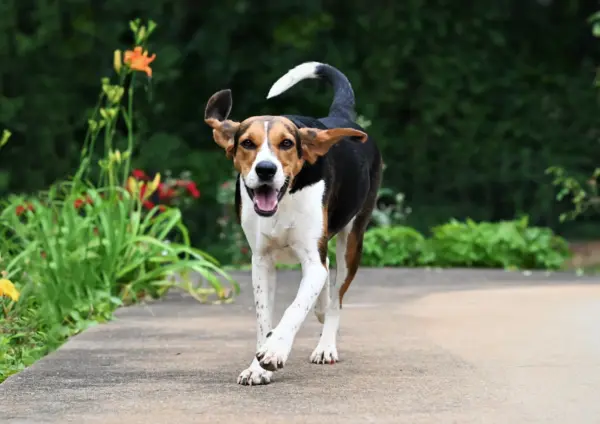
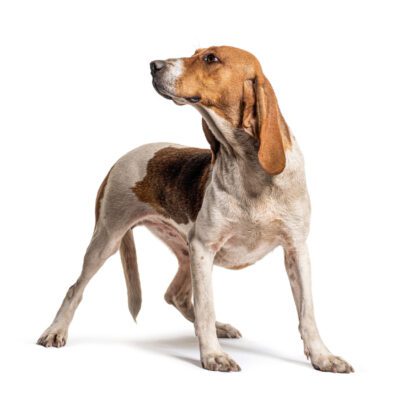
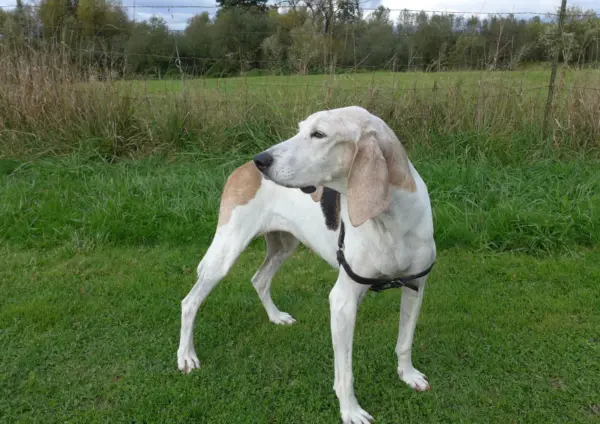
The Treeing Walker Coonhound is energetic, affectionate, and keenly intelligent. This breed thrives on scent work and long, purposeful walks, and it enjoys curling up with the family after a busy day. Careful research matters because hounds bring distinctive traits such as a strong prey drive, a musical voice, and impressive stamina. Adoption lets you match a dog’s temperament and energy level to your lifestyle while also opening space for another dog in need.
Adoption is often a better choice than buying because many hounds enter shelters through no fault of their own. Adopted dogs typically receive thorough veterinary care before placement, and counselors can share honest behavior notes that help you succeed. Wyoming’s wide-open spaces can suit this breed well, though the state’s cold, windy winters mean a short-coated hound needs a warm jacket, a draft-free sleeping area, and careful paw care on ice and snow.
Wyoming’s high elevation and dry climate call for steady hydration during hikes, and its rugged geography rewards owners who enjoy trails, ranch chores, and outdoor recreation. Wildlife is abundant, which means a secure fence and leashed outings are essential for a scent-driven hound. City and town living can also work when you commit to daily exercise, structured sniffing opportunities, and calm decompression time at home.
You can skip searching shelters and rescues one by one by using Dog Academy. The adoption listings let you browse available Treeing Walker Coonhounds and filter by location, age, and size. You can also find educational guides and adoption checklists through Dog Academy that explain each step, from first inquiry to going-home day, so you feel prepared and confident.
Start by looking at local animal shelters, regional rescues, breed-specific rescue groups, and foster-based networks. Some organizations list hounds that retire from hunting homes or that come from overcapacity shelters. If the right match is not nearby, ask about transport. Transport is often arranged by rescues to move dogs safely between locations using coordinated volunteer drivers or professional pet transporters.
When you find a promising match, read the full profile. Good listings include size, age, activity needs, medical updates, and behavior notes. Submit a complete application that explains your housing, fencing, daily schedule, and plans for training and veterinary care. Accurate information helps teams review your application quickly and match you to a dog that fits your lifestyle.
Next come meet-and-greets and home checks. Meet-and-greets usually happen at a shelter or in a foster home, and you should bring household members and resident dogs for introductions. Home checks can be virtual or in person to confirm safe containment, secure gates, and a calm area for decompression. Approval timelines vary, but many shelters complete adoptions within 2 to 10 days and many rescues finalize placements within 1 to 3 weeks, depending on references and scheduling. After approval, you sign an adoption contract, pay the fee, and either take your dog home or arrange pickup after spay or neuter, vaccinations, or transport arrival.
|
How Much Does It Cost to Adopt a Treeing Walker Coonhound in Wyoming?In Wyoming, you can expect adoption fees for a Treeing Walker Coonhound to fall between $100 and $300. Adult dogs commonly range from $125 to $225, while puppies often range from $200 to $300 because they require more veterinary care and there is higher demand. Fees in Wyoming tend to be moderate due to lower overhead costs compared to larger metro regions. Costs vary with age, training, medical care, and local demand. Fees usually include spaying or neutering, vaccinations, microchipping, and veterinary exams. Dogs that receive dental care, heartworm treatment, or specialized surgery may have higher fees to cover medical expenses. A dog with recent training or professional behavior support can also cost more because that investment increases adoptability and long-term success. |
How Should I Train a Treeing Walker Coonhound?Treeing Walker Coonhounds are smart, athletic, and scent-driven, which means they learn quickly when training feels rewarding and clear. Use positive reinforcement with high-value food and scent-based games to channel their natural instincts. Focus early on name recognition, recall with a long line, loose-leash walking, a solid settle on a mat, and comfortable crate training for safe travel and calm downtime. Outdoors, the nose can outrank every cue, so keep sessions short, upbeat, and structured. Provide daily sniff walks, tracking games, and puzzle feeders to reduce frustration and unwanted baying. If vocalization occurs, reinforce quiet moments, increase enrichment, and meet exercise needs before challenging work. For step-by-step guidance, explore Dog Academy’s online training courses, which include clear plans for recall, leash manners, calm greetings, and enrichment tailored to energetic scent hounds. |
|
The ideal adopter enjoys an active lifestyle and can provide 60 to 90 minutes of daily exercise plus time for sniffing and mental work. A secure, tall fence helps manage prey drive and keeps your hound safe around wildlife. Families that value routine, patience, and kind training tend to thrive with this breed, and winter gear ensures comfort during Wyoming’s cold seasons.
Preparation leads to a smooth transition. Gather supplies, set up a quiet decompression space, and plan a calm first week with short walks and simple training. Take your time, ask questions, and continue your research so you can adopt a Treeing Walker Coonhound in Wyoming with confidence and care. When you feel ready, begin browsing, compare matches, and choose the dog whose needs and personality fit your home.
Introducing a new puppy to your current dog is often an exciting process, and many dogs will become fast friends and eas...
Read More
Rescue dogs can make great companions and can transform your home into something better. These dogs make great pets and ...
Read More
You should never rush to pet a dog. Even dog owners make the mistake of approaching unfamiliar dogs and petting them rig...
Read More
Puppy mill dogs are survivors who have endured extreme hardships in their lives. They have grown up in horrendous, unsan...
Read More
With their wagging tails and comforting presence, adopting a dog can add a unique touch to your life. It’s a heart...
Read More
Older dogs may have a few gray hairs around the edges, but that doesn’t mean they can’t make wonderful companions! T...
Read More