




























































































































































Introducing a new puppy to your current dog is often an exciting process, and many dogs will become fast friends and eas...
Read MoreAdopt Me

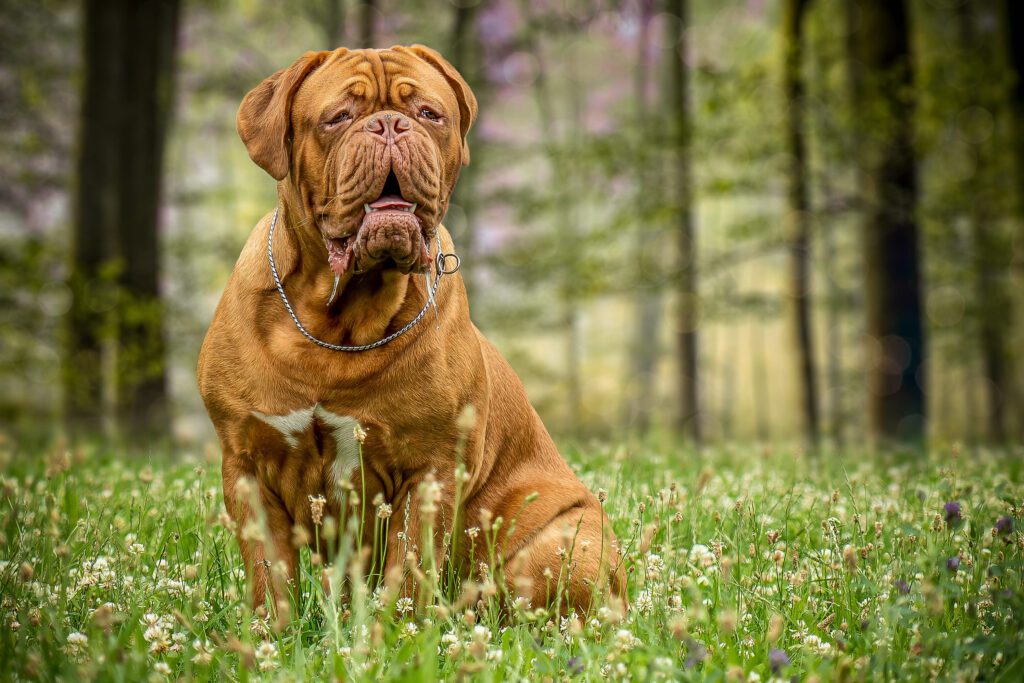


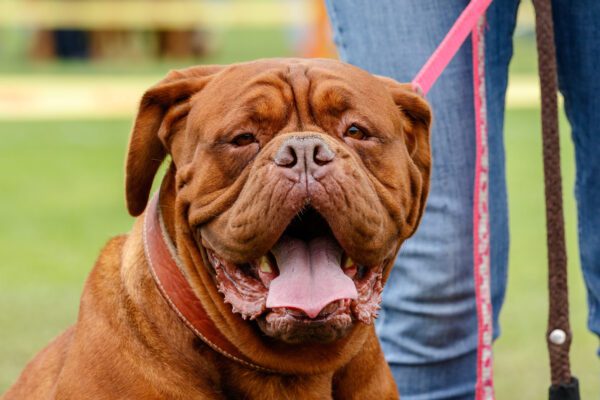
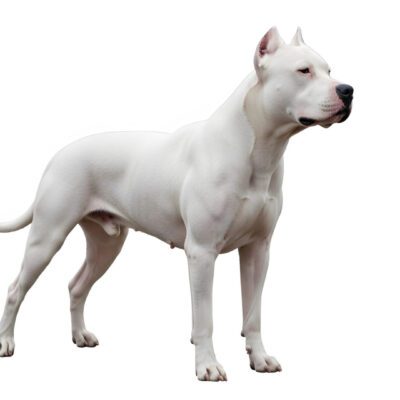
The Dogue De Bordeaux is a powerful yet tender companion. This breed bonds closely with family, relaxes in the home, and protects with calm confidence. A Dogue De Bordeaux thrives when people provide structure, gentle guidance, and daily contact. Careful research before adoption helps families understand size, health needs, and exercise requirements. Adoption gives a deserving dog a second chance and often provides transparent behavior notes collected by caretakers.
New York offers both opportunity and challenge for this breed. Hot, humid summers require careful heat management because the Dogue De Bordeaux has a short muzzle and overheats easily. Winters can be cold and icy, which calls for short, purposeful walks and traction on slick sidewalks. Urban neighborhoods demand excellent leash manners in crowded spaces, while suburban and rural areas offer room to stretch but require reliable recalls and polite greetings with neighbors and livestock. With the right plan, families in New York can meet this breed’s needs with confidence.
Adopting rather than buying supports responsible pet care and helps reduce overcrowding in shelters. It also gives you access to dogs that have been evaluated in homes or shelters. When you adopt a Dogue De Bordeaux in New York, you also support the caretakers who invest in medical care and training. A thoughtful match, steady training, and consistent routines help this gentle giant succeed in any borough or county.
You can skip searching shelters and rescues separately by browsing listings on Dog Academy. The adoption hub gathers available dogs from local animal shelters, regional rescues, and breed-specific rescue groups in one place. You can filter for age, size, and location, then read profiles that describe energy level, compatibility with other pets, and any training or medical updates. Dog Academy also shares educational guides and adoption checklists to help you prepare your home and schedule.
After you find a good match, you submit an application that explains your home setup, daily routine, and experience with large breeds. Many groups request references, landlord approval for renters, and proof of readiness such as a plan for exercise and veterinary care. Applications are usually reviewed within 3 to 14 days, depending on volume and holiday schedules. Clear communication and complete documents help the process move faster.
Next, you schedule a meet-and-greet. Meetings can occur at a shelter, at a foster home, or in a neutral public space. Handlers observe greetings with family members and any resident pets. If the meeting goes well, a home check often follows. Home checks are completed in person or by video to confirm safe fencing, secure doors, and a space for rest. Final approval usually arrives soon after the home check when all steps are complete.
If your match is outside your immediate area, ask about transport. Transport is often arranged by rescues to move dogs between locations using coordinated ground trips. Coordinators confirm dates, health certificates when required, and handoff points. You still complete the same screening steps, and you meet the dog at a confirmed transfer location.

|
How Much Does It Cost to Adopt a Dogue De Bordeaux in New York?In New York, adoption fees for a Dogue De Bordeaux typically range from $250 to $650. Fees trend toward the higher end in dense urban areas due to higher operating costs and strong demand for large purebreds. Age, training, and medical care influence the final fee. Puppies and young adults tend to cost more, while seniors and special-needs dogs may cost less but may require ongoing care. Most fees include spaying or neutering, vaccinations, microchipping, and veterinary exams. Some organizations also include initial deworming, heartworm testing, and a starter bag of food. Training already completed in a foster home can also affect price, especially if the dog has learned house training, crate skills, and basic cues. |
How Should I Train a Dogue De Bordeaux?The Dogue De Bordeaux is intelligent, sensitive, and eager to please. This breed learns quickly when training is calm and consistent. Positive reinforcement builds trust and produces reliable results with a large guardian breed. Use short sessions, high-value rewards, and clear criteria. Focus on leash walking, polite greetings, and impulse control around doorways and food. Common challenges include pulling, mouthing during play, and slow responses in hot weather. Address these with structured walks, rest breaks, and shaded routes. Begin socialization early with controlled exposures to elevators, stairwells, traffic sounds, and veterinary handling. Teach a solid settle cue for city patios and waiting rooms. Muzzle training and cooperative care make vet visits safer and less stressful. For guided support, explore Dog Academy’s online training courses, which provide step-by-step lessons for leash skills, manners, and confidence building tailored to large breeds. |
|
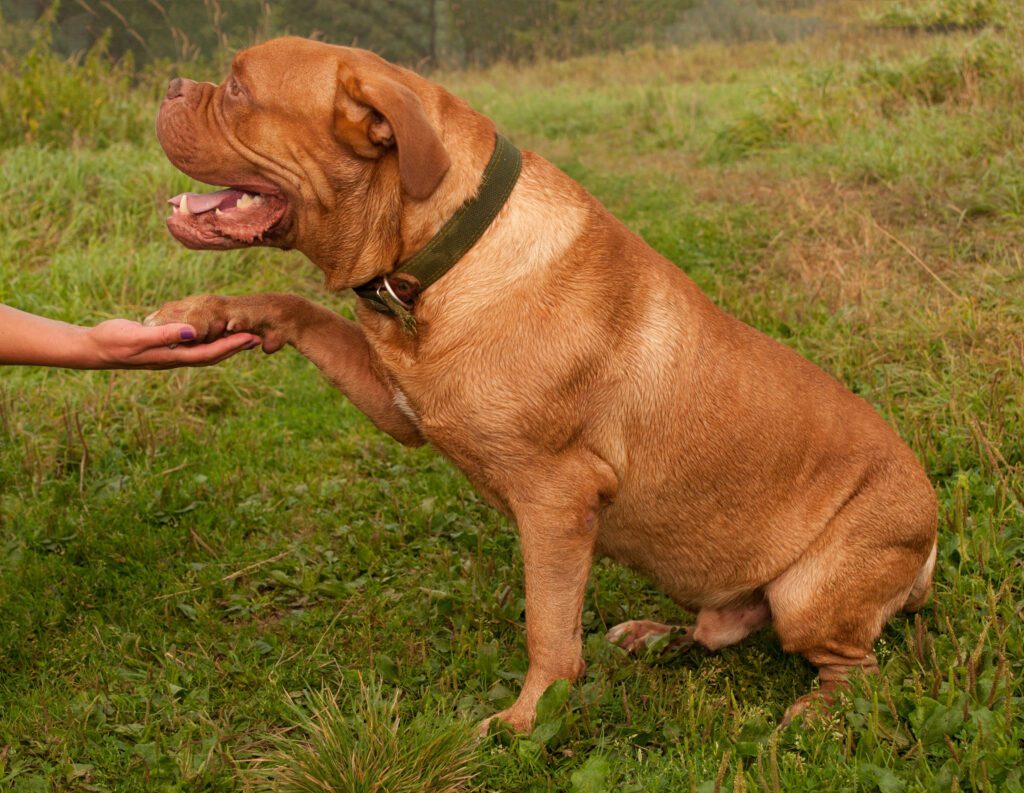
The ideal adopter is calm, consistent, and comfortable guiding a strong dog through daily life. Time for 2 to 3 short walks, mental enrichment indoors, and routine grooming keeps this breed balanced. A budget for quality food, preventive veterinary care, and large-breed equipment is essential.
Prepare your home, plan your schedule, and take the time to meet several candidates. Ask detailed questions, review behavior notes, and move at a pace that feels right for you and the dog. When you are ready to adopt a Dogue De Bordeaux in New York, use Dog Academy resources to find a great match and start a happy, well-prepared life together.

Introducing a new puppy to your current dog is often an exciting process, and many dogs will become fast friends and eas...
Read More
Rescue dogs can make great companions and can transform your home into something better. These dogs make great pets and ...
Read More
You should never rush to pet a dog. Even dog owners make the mistake of approaching unfamiliar dogs and petting them rig...
Read More
Puppy mill dogs are survivors who have endured extreme hardships in their lives. They have grown up in horrendous, unsan...
Read More
With their wagging tails and comforting presence, adopting a dog can add a unique touch to your life. It’s a heart...
Read More
Older dogs may have a few gray hairs around the edges, but that doesn’t mean they can’t make wonderful companions! T...
Read More