





























































































































































































Introducing a new puppy to your current dog is often an exciting process, and many dogs will become fast friends and eas...
Read MoreAdopt Me

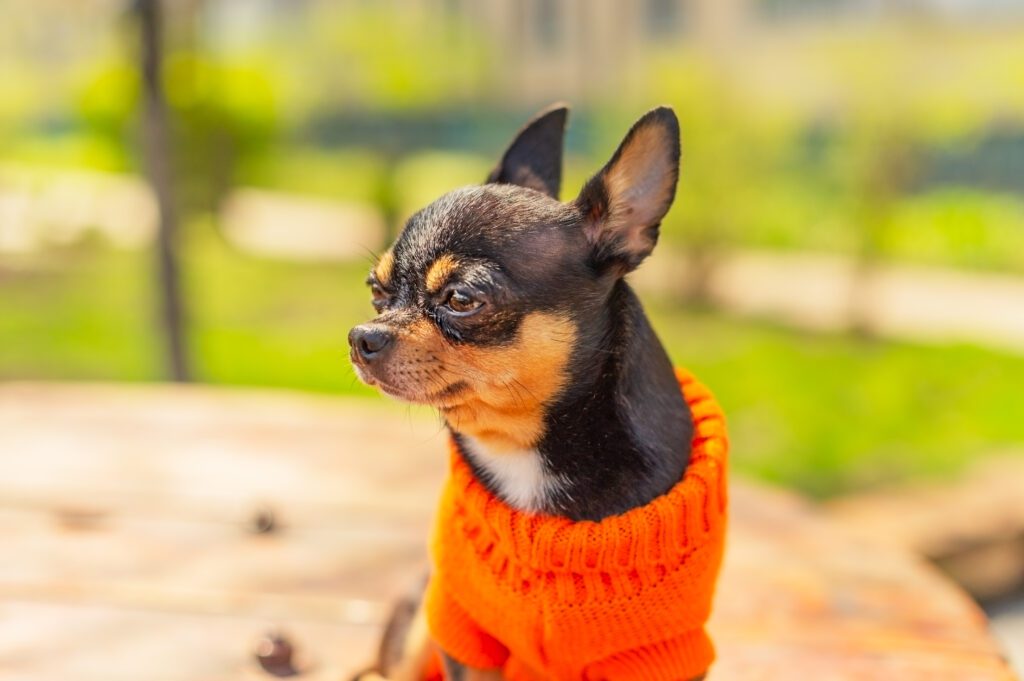


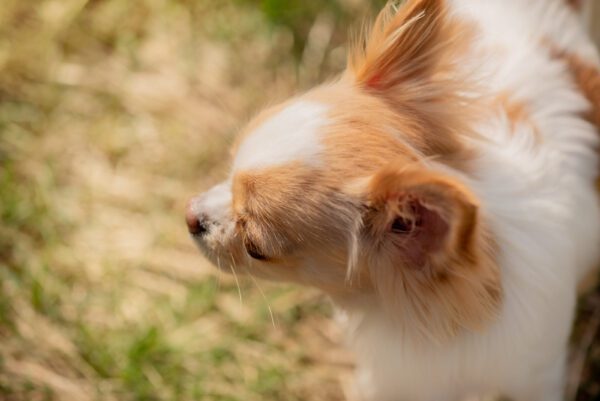
A Apple Head Chihuahua is tiny, spirited, and devoted. This petite companion often weighs under 6 pounds and loves to curl up with a trusted person. The breed brings big-dog confidence in a small frame, which makes daily life lively and fun. Families who want a loyal lapdog that thrives on attention will find strong appeal in this breed.
Research matters before any adoption. A Apple Head Chihuahua is sensitive to cold, which makes New York winters a challenge without proper gear and indoor routines. City sidewalks, elevators, and busy streets can overwhelm some dogs, so careful socialization is important. The breed fits apartment living when daily walks, mental games, and warm resting spots are part of the routine. Upstate homes with quiet neighborhoods can also suit the breed when safe yard time and close supervision are available.
Adopting instead of buying helps a dog in need and supports ethical placement. Adoption provides transparency about temperament, medical history, and training progress. Many adoptable Apple Head Chihuahuas come from loving fosters who can share detailed insights that make the transition smoother.
You can save hours of searching shelters and rescues one by one by starting with Dog Academy. Dog Academy offers adoption listings that gather opportunities in one place so you can filter by location, age, and traits. You can also find educational guides and adoption checklists that help you prepare for each step. Beyond Dog Academy’s listings, you can look at local animal shelters, regional rescues, breed-specific rescue groups, and foster-based organizations across New York.
Begin by browsing listings and reading full profiles. Profiles often describe age, energy level, medical needs, and behavior with children, cats, and other dogs. Match these details to your lifestyle, daily schedule, and housing rules. Reach out to ask clear questions about house training progress, barking, and comfort with city noise. A focused search helps you find a dog that fits your home rather than hoping training will fix a poor match.
Most organizations require an application. You will likely provide a government ID, proof of residence, landlord or building pet policy, and a veterinarian reference if you have current pets. Expect a phone interview that explores your schedule, travel plans, and training approach. Adoption counselors want to confirm a safe fit and a plan for the first weeks at home.
Meet-and-greets often happen at a shelter, an adoption center, or a foster home. If you have resident pets, you may arrange a slow introduction with guidance from staff or the foster. Many groups complete a home check, which can be virtual or in person, to confirm secure doors, safe stairs, and a warm resting area. Approval timelines vary from a few days to about 2 weeks depending on how quickly references respond and how many applicants a dog receives.
If the right dog is outside your immediate area, rescues sometimes arrange transport between locations. Transport is often arranged by rescues to move dogs between states or regions when a suitable adopter lives elsewhere. Dogs usually travel with a health certificate and ride with trained volunteers or licensed carriers. You receive a clear pickup plan and finalize adoption once your dog arrives.
|
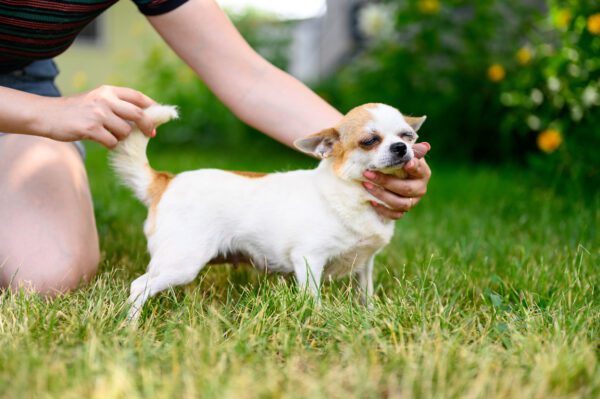
How Much Does It Cost to Adopt a Apple Head Chihuahua in New York?Expect adoption fees for a Apple Head Chihuahua in New York to fall around $250 to $450. Puppies and highly in-demand dogs often land at the top of that range, while seniors can be near the lower end. Fees vary with age, training progress, recent medical care, and regional operating costs. Urban organizations with higher overhead tend to charge more than small rural groups. Adoption fees usually cover spaying or neutering, vaccinations, microchipping, and veterinary exams. Many groups also include a heartworm test for adults, deworming, flea and tick prevention, and dental care when needed. Some adopters receive a starter leash and harness along with behavior notes that support the first weeks at home. The included care reduces surprise expenses and helps your new dog arrive healthy and ready to settle. |
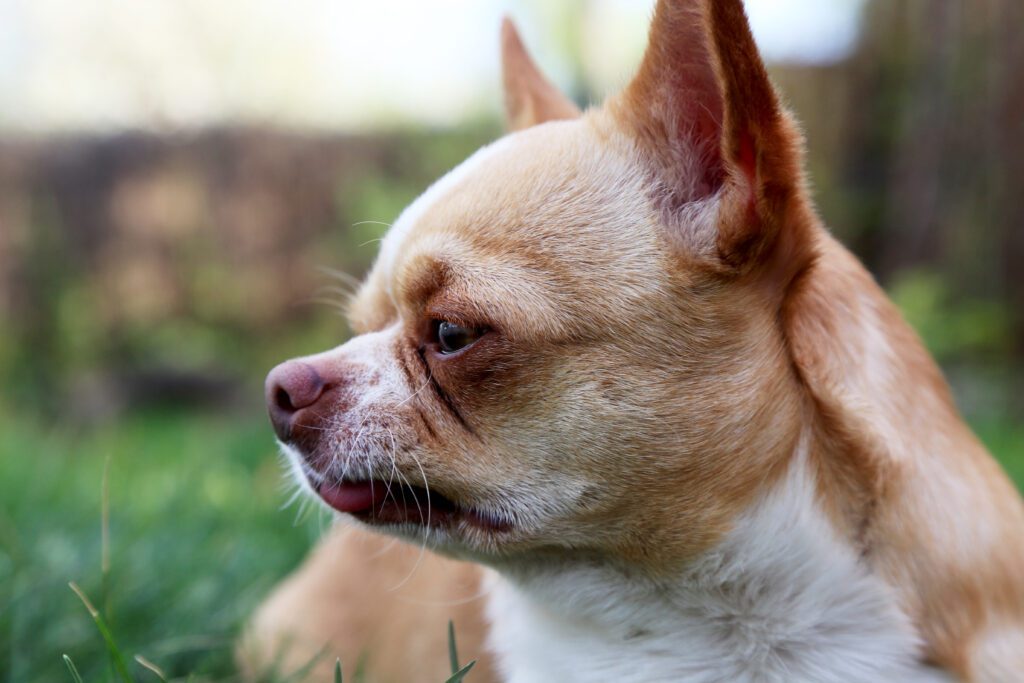
How Should I Train a Apple Head Chihuahua?A Apple Head Chihuahua is bright, affectionate, and eager to learn with short, upbeat lessons. Positive reinforcement works best because the breed responds strongly to food rewards and calm praise. Keep sessions under 5 minutes and repeat throughout the day to build skills without stressing your dog. Common challenges include house training, reactivity to street noise, and demand barking. In New York winters, frequent short potty breaks with a warm coat help prevent accidents. Crate training and a consistent schedule build reliable habits. Practice quiet behaviors by rewarding calm moments and teaching a settle cue. Socialize your dog with gentle people and friendly dogs at a distance that feels safe, then gradually close the gap as confidence grows. Always use a harness rather than a collar to protect the delicate neck and trachea. If you want step-by-step help, explore Dog Academy’s online training courses. You can follow structured lessons for small-dog basics, urban leash manners, polite greetings, and barking control. The courses show you how to create a custom plan and how to reinforce good choices every day. |
|
The ideal adopter offers gentle handling, steady routines, and a warm space to rest. A Apple Head Chihuahua thrives with an owner who enjoys short walks, puzzle toys, and relaxed couch time. Families with respectful children and calm dogs can succeed when they supervise closely and teach careful interactions.
Preparation leads to a smooth transition. Gather supplies, review your schedule, and plan the first week at home before you apply. Take your time, ask clear questions, and trust the process. When you are ready to adopt, start with Dog Academy and learn with expert guidance so you can welcome the right companion with confidence.

Introducing a new puppy to your current dog is often an exciting process, and many dogs will become fast friends and eas...
Read More
Rescue dogs can make great companions and can transform your home into something better. These dogs make great pets and ...
Read More
You should never rush to pet a dog. Even dog owners make the mistake of approaching unfamiliar dogs and petting them rig...
Read More
Puppy mill dogs are survivors who have endured extreme hardships in their lives. They have grown up in horrendous, unsan...
Read More
With their wagging tails and comforting presence, adopting a dog can add a unique touch to your life. It’s a heart...
Read More
Older dogs may have a few gray hairs around the edges, but that doesn’t mean they can’t make wonderful companions! T...
Read More