

























































































































































































Introducing a new puppy to your current dog is often an exciting process, and many dogs will become fast friends and eas...
Read More
How to Introduce a New Puppy to Your Dog
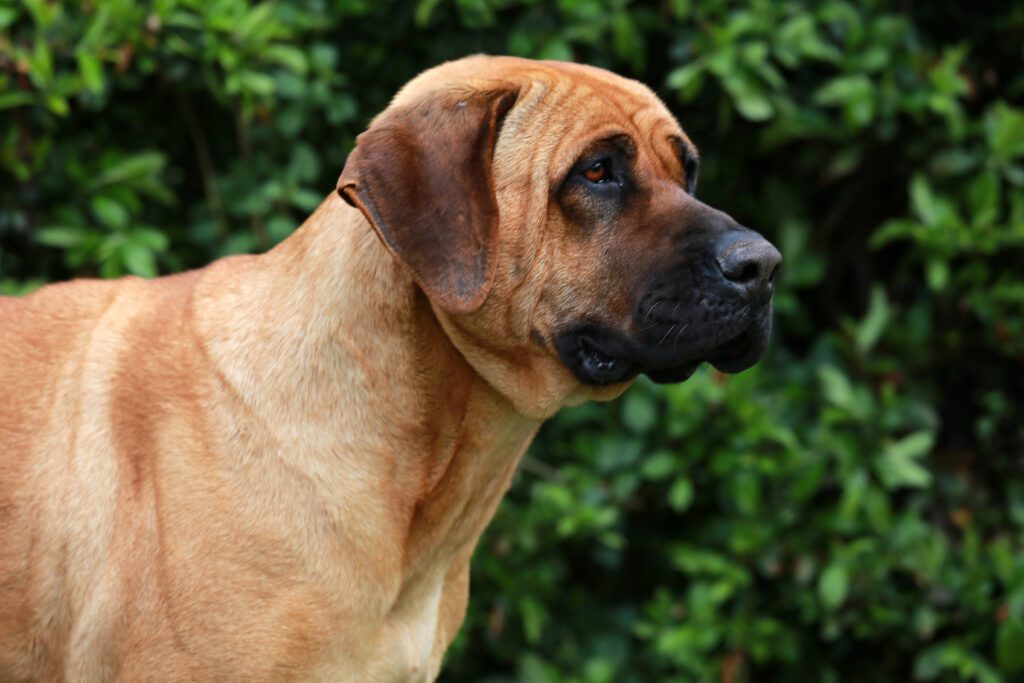
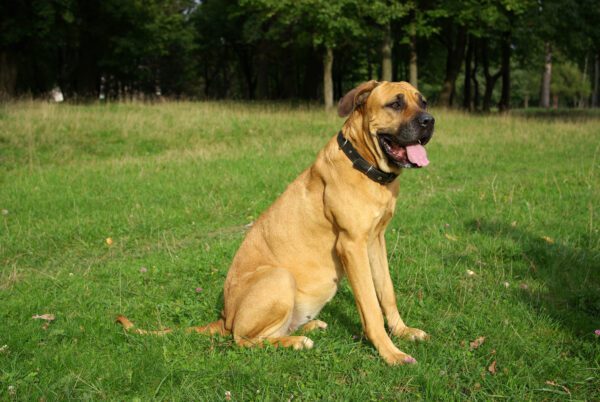
The Tosa Inu is a calm, confident, and deeply loyal companion that bonds closely with family. This powerful breed is quiet in the home and steady on routine, yet athletic and capable outdoors. Many people choose the Tosa Inu for its dignified presence and strong sense of duty.
Research matters before you adopt a Tosa Inu in New York because responsible ownership protects both the dog and the community. Adoption is preferable to buying because you give a dog a second chance, you support ethical rescue work, and you help reduce demand for irresponsible breeding. New York offers diverse living options that can suit this breed with the right plan. Hot and humid summers call for shade, water, and slow midday walks. Cold winters call for a warm coat, paw protection, and shorter outings during extreme wind or ice. City blocks, high-rise elevators, and crowded parks require careful handling, while suburbs and rural areas offer more space for structured exercise.
The Tosa Inu is best for experienced owners who value training and management. This breed is large and strong, so it needs clear boundaries, daily mental enrichment, and consistent socialization. Some housing providers and insurers use breed restrictions, which are rules that limit certain breeds in rentals or policies, so you should confirm your situation before you bring a dog home.
You can avoid searching shelters and rescues separately by browsing Dog Academy. You will find current adoption listings in one place, along with guides and checklists that help you prepare your home, your schedule, and your budget. You can also check local animal shelters, regional rescues, and breed-specific rescue groups that serve New York and neighboring states.
Many Tosa Inus entering rescue come from owner surrenders or transfers from crowded shelters. Some rescues arrange transport to move dogs between locations when a good match appears. Transport usually involves a coordinated drive by volunteers or a licensed carrier after approval. The adopter often covers a modest transport fee that offsets fuel, tolls, and scheduling costs.
Start by browsing listings and reading each bio with care. Look for notes on temperament, energy level, reactivity, medical history, and home requirements. Submit an application that provides household details, past dog experience, veterinary references, and landlord permission if you rent. Expect a phone interview that explores your handling style, schedule, and plans for training and exercise.
Rescues often complete a home check to confirm safety. A home check can be virtual or in person and it verifies secure doors, safe storage for food and medication, and a plan for stairs or elevators. Meet-and-greets follow with all household members and resident dogs, often in a neutral location. An adoption counselor will coach slow introductions and will answer questions about management and training. Some groups offer a trial period that allows a few days of real-life observation before finalizing the contract.
Approval timelines vary with demand and scheduling. If your documents are ready and your meet-and-greet goes well, you may move from application to adoption in 3 to 10 days. More complex placements, such as dogs with medical needs or behavior plans, can take 2 to 4 weeks so that everyone can prepare for success.
|
How Much Does It Cost to Adopt a Tosa Inu in New York?In New York, expect an adoption fee of about $300 to $650 for a Tosa Inu. Adult dogs often fall near the middle of that range, while puppies and dogs with recent training or extensive veterinary care can be at the higher end. Fees reflect spaying or neutering, vaccinations, microchipping, and veterinary exams. Costs can rise when a dog needs dental work, orthopedic care, or treatment for parasites. Demand, age, training progress, and length of stay in foster care also influence the final fee. |
How Should I Train a Tosa Inu?The Tosa Inu is intelligent and thoughtful, yet it can be independent. The breed learns best with calm leadership, clear structure, and generous rewards. Positive reinforcement builds trust and encourages good choices. Short sessions that mix obedience, scent games, and leash skills keep the dog engaged without frustration. Common challenges include leash pulling, dog selectivity, and low tolerance for rude greetings. Address these early with foundation skills such as name recognition, loose-leash walking, impulse control around doors, and a reliable recall. Practice handling exercises so your dog accepts grooming and veterinary care. Muzzle training is valuable because it teaches the dog to wear a comfortable basket muzzle for busy city walks and medical exams, which improves safety and reduces stress. If you want structured guidance at home, explore Dog Academy’s online training courses. You will find step-by-step lessons on obedience, leash manners, reactivity management, and enrichment that fit a New York lifestyle. A consistent plan builds confidence and helps a strong, sensitive breed thrive. |
|
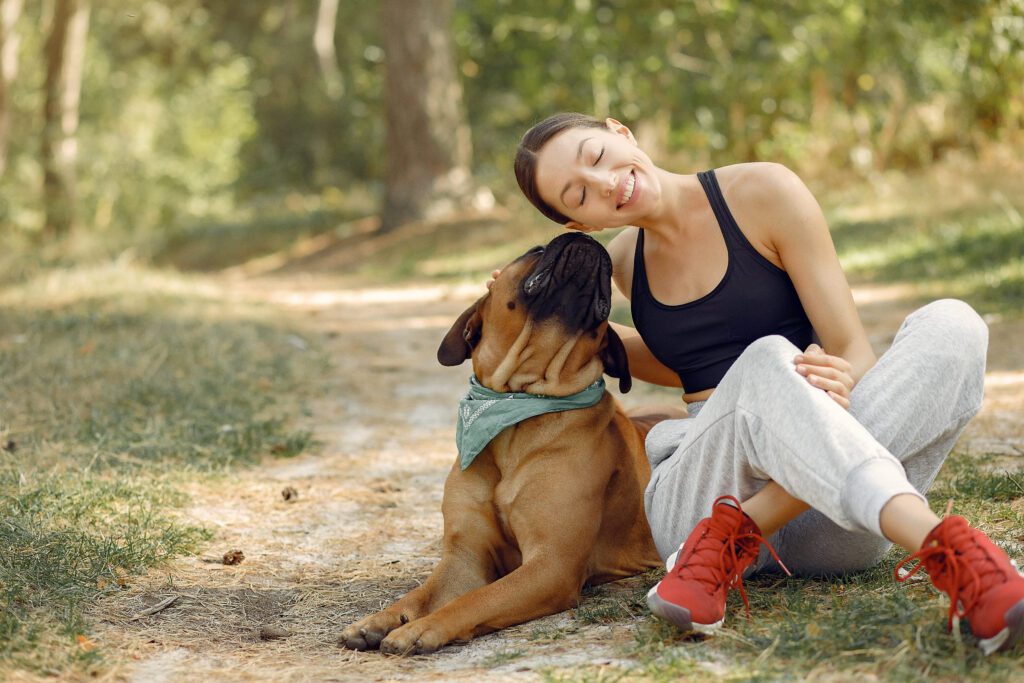
The ideal adopter is patient, experienced with large breeds, and ready to manage introductions and daily routines. A stable schedule, secure housing without breed restrictions, and a commitment to training set the stage for a successful match. A Tosa Inu rewards that commitment with devotion, calm companionship, and steady protection.
Take your time, ask questions, and prepare your home before you bring a dog into your life. When you are ready to adopt a Tosa Inu in New York, start browsing listings and resources on Dog Academy. Careful research and thoughtful training will help you find the right dog and build a lasting bond.
Introducing a new puppy to your current dog is often an exciting process, and many dogs will become fast friends and eas...
Read More
Rescue dogs can make great companions and can transform your home into something better. These dogs make great pets and ...
Read More
You should never rush to pet a dog. Even dog owners make the mistake of approaching unfamiliar dogs and petting them rig...
Read More
Puppy mill dogs are survivors who have endured extreme hardships in their lives. They have grown up in horrendous, unsan...
Read More
With their wagging tails and comforting presence, adopting a dog can add a unique touch to your life. It’s a heart...
Read More
Older dogs may have a few gray hairs around the edges, but that doesn’t mean they can’t make wonderful companions! T...
Read More