




























































































































































































Introducing a new puppy to your current dog is often an exciting process, and many dogs will become fast friends and eas...
Read MoreAdopt Me

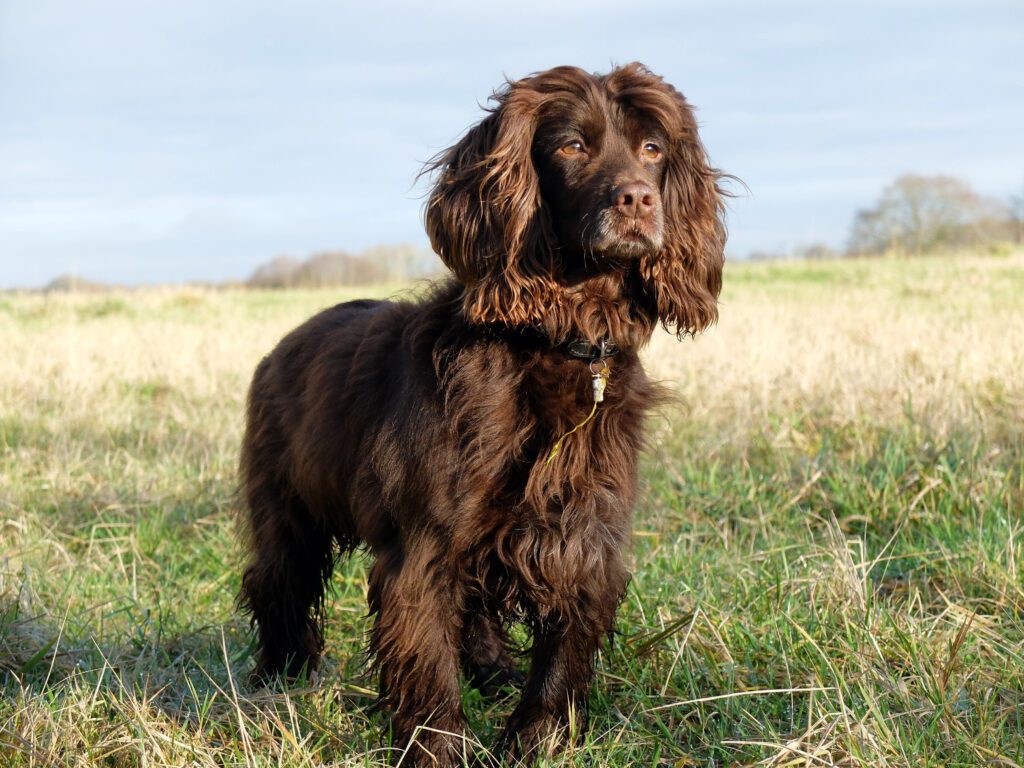
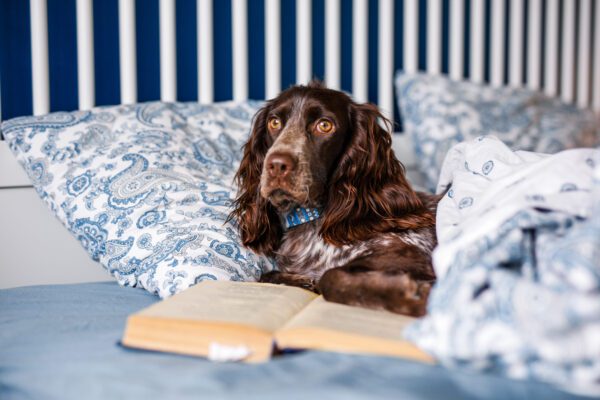
A Boykin Spaniel is a compact sporting dog with a big heart. The breed is eager to please, highly trainable, and affectionate with family. Many people choose this dog for its friendly nature, love of water, and balanced size that fits active homes without feeling overwhelming. Thoughtful research helps you decide if this energetic companion matches your routine, your housing, and your long-term plans.
Adoption often provides a healthy, socialized dog that has received veterinary care and a behavior assessment. You also support lifesaving work by opening space for the next dog in need. New York can be a great match for a Boykin Spaniel when you plan for daily exercise and mental enrichment. The state’s cold winters call for a warm coat, paw protection, and shorter outdoor sessions during extreme wind or ice. Summers can feel hot and humid, so you must manage shade, water, and rest. Geography varies across the state. City neighborhoods offer sidewalks and dog runs, while suburban and upstate areas offer trails, lakes, and open fields that suit a water-loving retriever.
Daily lifestyle matters as much as climate. A Boykin Spaniel thrives with 60 to 90 minutes of exercise, frequent training, and time with people. The breed can adapt to an apartment when you commit to structured walks and play. A home with access to water or frequent weekend hikes can be ideal, though careful recall and safety planning remain important in busy New York environments.
You can avoid searching rescues and shelters separately by starting with Dog Academy. The adoption listings help you browse available Boykin Spaniels across New York and nearby regions in one place. You can also use Dog Academy’s educational guides and adoption checklists to understand breed needs, prepare your home, and plan the first weeks after arrival. Local animal shelters, regional rescues, and breed-specific rescue groups may also have Boykin Spaniels or similar mixes at different times during the year.
The process usually begins by browsing listings and reading each dog’s profile. You can note age, energy level, and behavior notes that match your home. The next step is submitting an application that includes personal details, references, landlord approval when you rent, and information about your schedule. Many groups ask about prior dog experience and your plan for daily exercise and training.
After an application review, most organizations arrange a meet-and-greet. The meeting can happen at a shelter, a foster home, or a neutral location where staff can observe the interaction. Some groups schedule a virtual meet to discuss the dog’s routine before an in-person visit. Home checks are common and help ensure that your space is safe, that fencing is secure when relevant, and that hazards are removed. Approval timelines vary by group, though many adoptions in New York finalize within 1 to 3 weeks once you complete the steps and provide documents quickly.
Transport can expand your options when local supply is limited. Rescues often arrange transport to move dogs between locations using volunteer drivers or licensed carriers. Adopters sometimes pay a modest transport fee, and pickup typically occurs at a central meeting point. Confirm who handles health certificates, which are travel documents provided by a veterinarian, and confirm the exact arrival date so you can be ready with supplies.
|
How Much Does It Cost to Adopt a Boykin Spaniel in New York?Most adopters in New York can expect to pay about $300 to $550 for a Boykin Spaniel through a shelter or rescue. Fees in the higher part of the range are more common in large metro areas due to higher veterinary and operating costs. Prices vary based on age, training history, recent medical care, and local demand for the breed. Puppies and young adults with strong training foundations usually cost more than seniors that need calmer homes. Adoption fees typically include spaying or neutering, vaccinations, microchipping, and veterinary exams. Many groups also provide deworming, heartworm testing, and a collar with identification. Ask for a full invoice of what the fee covers, and budget extra for supplies, training, grooming tools, and the first month of food and preventatives. |
How Should I Train a Boykin Spaniel?Boykin Spaniels are intelligent, biddable, and sensitive. The breed learns quickly with clear structure and frequent rewards. Positive reinforcement builds confidence and keeps focus high. Short sessions that last 10 to 15 minutes work well for skills like recall, loose-leash walking, and impulse control. Daily scent games and retrieve sessions help satisfy natural hunting instincts while keeping training fun. Common challenges include jumping to greet people, mouthy play during excitement, and vocalizing when left alone. Consistent management reduces rehearsal of unwanted behavior. You can provide food puzzles, calm mat training, and gradual alone-time practice to prevent frustration and separation issues. If you want guided support at home, try Dog Academy’s online training courses. The step-by-step lessons show you how to build reliable obedience, reduce problem behaviors, and create safe routines for city and suburban life in New York. |
|
The ideal adopter enjoys daily activity, values training, and has time for companionship. A Boykin Spaniel fits best with people who want an affectionate partner for walks, hikes, or time by the water. The breed can thrive in a city apartment or a country home when exercise, enrichment, and social time are part of every day.
Preparation sets you up for success. Gather supplies, plan a safe decompression space, and schedule the first veterinary visit. Take your time, ask clear questions, and lean on helpful resources so you can adopt a Boykin Spaniel in New York with confidence. When you are ready, start your search and move at a steady pace that puts the dog’s needs first.

Introducing a new puppy to your current dog is often an exciting process, and many dogs will become fast friends and eas...
Read More
Rescue dogs can make great companions and can transform your home into something better. These dogs make great pets and ...
Read More
You should never rush to pet a dog. Even dog owners make the mistake of approaching unfamiliar dogs and petting them rig...
Read More
Puppy mill dogs are survivors who have endured extreme hardships in their lives. They have grown up in horrendous, unsan...
Read More
With their wagging tails and comforting presence, adopting a dog can add a unique touch to your life. It’s a heart...
Read More
Older dogs may have a few gray hairs around the edges, but that doesn’t mean they can’t make wonderful companions! T...
Read More