





























































































































































































Introducing a new puppy to your current dog is often an exciting process, and many dogs will become fast friends and eas...
Read MoreAdopt Me

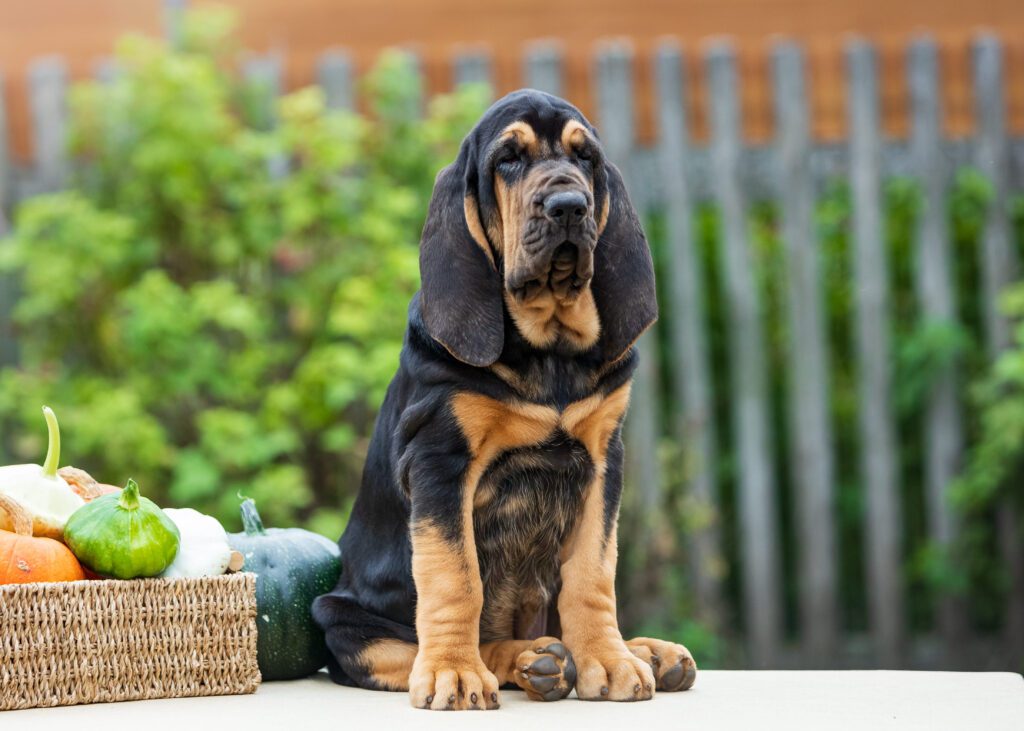
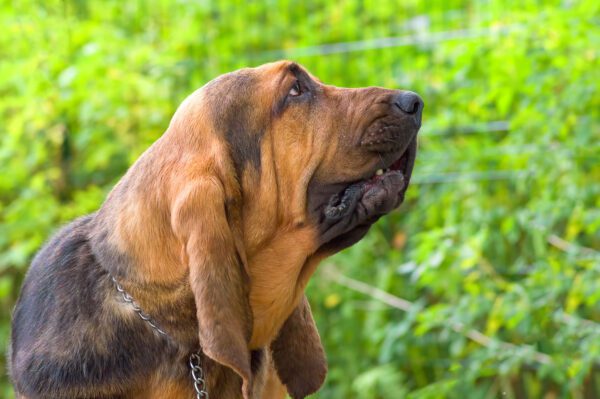
The Bloodhound is a gentle, devoted, and famously nose-driven companion. This large hound loves people, shows patience with families, and shines when given scent work or long sniffing walks. A Bloodhound relaxes well after exercise, yet the breed drools, sheds, and takes up space, which calls for planning. Thoughtful research protects both you and the dog, since this breed brings unique needs that reward a prepared adopter.
Adoption is a responsible choice because it gives a dog a second chance and supports lifesaving work. Many adoptable Bloodhounds are past the puppy stage, which can make house training and schedule management easier. Adoption counselors often know each dog’s temperament, medical history, and energy level, which helps you find a strong match.
New York can fit a Bloodhound well when you manage climate and lifestyle. Summers are humid and warm, so a Bloodhound needs shade, cool water, and quiet time during the hottest hours. Winters are cold with snow and ice, so short coats may need a warm layer and paw care on salted sidewalks. City living can work when you provide long sniff-focused walks and training that supports calm manners in busy spaces. Suburban yards and rural properties are ideal when the space is securely fenced. The breed’s musical bay can carry, so close neighbors in apartments may require extra training and good daily exercise.
You can skip separate searches for rescues and shelters by using Dog Academy. You can browse Bloodhound listings in New York, read detailed profiles, and learn next steps in one place. You can also access helpful educational guides and adoption checklists that prepare you for a smooth transition home.
In addition to centralized listings, you can find adoptable Bloodhounds through local animal shelters, regional rescues, and breed-specific rescue groups. Availability changes quickly, so regular browsing and quick, complete applications help you move forward when you see a good match. Many groups allow you to apply in advance, which positions you for faster approval.
The process usually starts by browsing listings and submitting an application that includes household details, lifestyle notes, references, and landlord permission when you rent. The next step often includes a phone interview that confirms expectations, exercise plans, training goals, and veterinary care. Meet-and-greets follow, and you should bring family members and resident dogs to confirm compatibility. Many organizations complete a home check in person or by video to confirm secure fencing, safe storage for food and medication, and a setup that fits a large dog. Clear communication and prompt replies usually lead to approval within 1 to 3 weeks, though timelines vary with demand and staff capacity.
Some groups list dogs that are outside your immediate area. Transport is often arranged by rescues to move dogs between locations when a strong adopter match is available. Transport may use volunteer drivers or licensed carriers, with schedules, safety protocols, and fees explained before you commit. Clear plans for arrival, supplies, and a quiet decompression space help your new Bloodhound settle in quickly.
|
How Much Does It Cost to Adopt a Bloodhound in New York?Most New York adopters can expect a Bloodhound adoption fee between $250 and $550. Puppies and highly in-demand young adults often sit at the top of the range, while seniors and special-needs dogs often sit near the lower end. Fees are typically higher in dense metro areas due to operating costs. Adoption fees usually include spaying or neutering, vaccinations, microchipping, and veterinary exams. Fees can also reflect age, training, recent medical care, and regional demand for the breed. Large-breed procedures and medications can cost more, which can raise the final fee. Plan for additional costs such as a city license, a secure harness and leash, a crate sized for a large dog, and high-quality food. |
How Should I Train a Bloodhound?The Bloodhound is intelligent and motivated by scent and food. The breed also shows independent decision making, which can feel stubborn if training is unclear. Positive reinforcement works best, with short sessions and frequent rewards. A calm tone, consistent cues, and timely treats keep a Bloodhound engaged and confident. Focus early on loose-leash walking, recall with a long line, and impulse control at doors. Scent games and tracking practice channel the powerful nose into healthy outlets, which reduces frustration on walks. Socialization builds comfort with city noise, elevators, stairwells, and busy parks. Daily ear care and handling practice reduce grooming stress. If you want structured guidance, you can use Dog Academy’s online training courses to build reliable skills at home with step-by-step lessons tailored to real-world challenges. |
|
The ideal Bloodhound adopter enjoys long sniff walks, values positive training, and keeps a calm home routine. Preparation matters, which means planning exercise, securing a yard or choosing safe walking routes, setting a veterinary schedule, and stocking quality supplies before pickup. Take your time, ask questions, and choose the dog whose needs match your lifestyle. Careful research now leads to a happy, lasting bond with your Bloodhound in New York.

Introducing a new puppy to your current dog is often an exciting process, and many dogs will become fast friends and eas...
Read More
Rescue dogs can make great companions and can transform your home into something better. These dogs make great pets and ...
Read More
You should never rush to pet a dog. Even dog owners make the mistake of approaching unfamiliar dogs and petting them rig...
Read More
Puppy mill dogs are survivors who have endured extreme hardships in their lives. They have grown up in horrendous, unsan...
Read More
With their wagging tails and comforting presence, adopting a dog can add a unique touch to your life. It’s a heart...
Read More
Older dogs may have a few gray hairs around the edges, but that doesn’t mean they can’t make wonderful companions! T...
Read More