



























































































































































































Introducing a new puppy to your current dog is often an exciting process, and many dogs will become fast friends and eas...
Read MoreAdopt Me

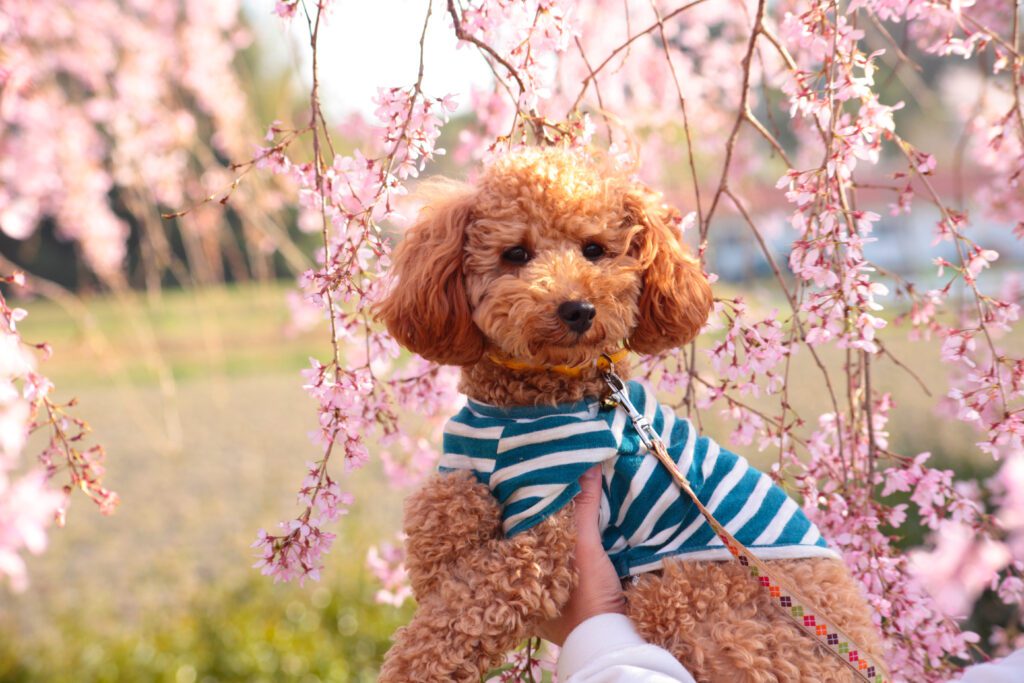
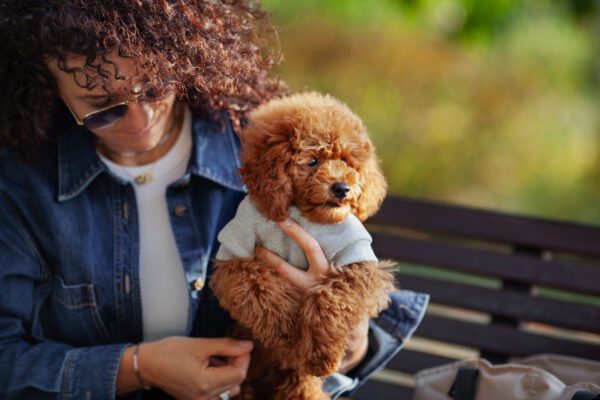
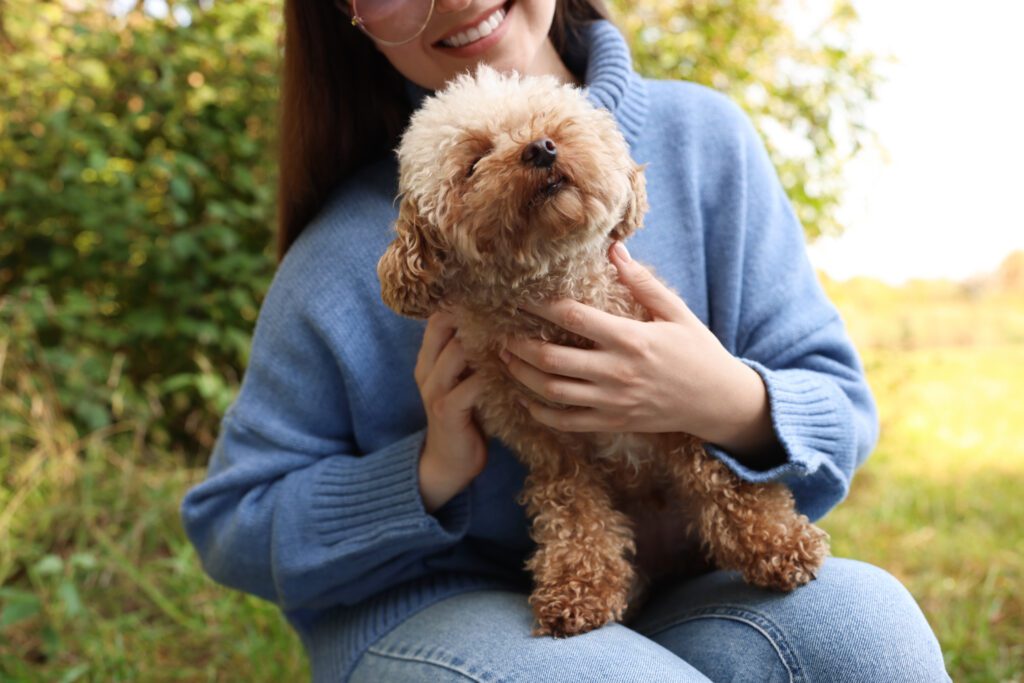
A Bichon Poodle is a cheerful, affectionate, and highly social companion. The mix of Bichon Frise and Poodle creates a bright, low-shedding dog that suits many allergy-sensitive households. The breed enjoys play, gentle affection, and frequent human interaction, which makes it a great match for first-time adopters who want a loving housemate.
Thoughtful research before adoption leads to a healthy match. A Bichon Poodle needs daily mental enrichment, steady house training, and regular grooming. The curly coat requires frequent brushing and routine trims to prevent matting. Consistent exercise supports good manners and helps avoid unwanted behaviors.
Adoption gives a dog a second chance and helps reduce pet overpopulation. Adopters often receive helpful insights from caretakers about temperament and health. New York offers many lifestyle options for this small companion. Apartment living suits the breed because the dog takes up little space and enjoys indoor comfort. Cold winters call for a warm sweater and paw protection from salted sidewalks. Hot and humid summers require shade, water, and shorter midday walks. City blocks, suburban neighborhoods, and upstate trails all provide safe places for brisk strolls when the dog learns polite leash skills.
You can avoid searching for rescues and shelters separately by using Dog Academy to browse adoption listings in one place. Dog Academy also offers educational guides and adoption checklists that explain every step. You can then explore local animal shelters, regional rescues, and breed-specific rescue groups if you want more options.
Begin by browsing listings and filtering for age, size, and temperament. Read each profile fully and look for details about history, medical care, and behavior notes. Confirm location, adoption requirements, and any special needs. Send polite questions that clarify exercise needs, grooming tolerance, and house training progress.
When you find a possible match, submit an application. Most groups request personal references, proof of residence, and landlord approval if you rent. Many also ask for a veterinary reference and information about your daily schedule. Approval timelines often range from 2 to 7 days depending on volume. Staying responsive helps the process move forward.
Next comes a meet-and-greet with the dog. This meeting may take place at a shelter, a foster home, or a public space. Bring household members and resident dogs to check compatibility. Many organizations conduct a home check to ensure safety and readiness. A home check can be virtual through video or in person with a brief walk-through. Some rescues arrange transport between regions when a good match lives far away. Transport is often organized by volunteers or licensed carriers to move dogs safely between locations, and it can add time and a modest fee.

|
How Much Does It Cost to Adopt a Bichon Poodle in New York?In New York, the typical adoption fee for a Bichon Poodle ranges from $300 to $650. Small, low-shedding mixes are in high demand, which keeps fees within this narrow band. Fees help cover essential care, housing, and post-intake services before placement. Costs vary with age, training, recent medical care, and local demand. Puppies and young adults often cost more than seniors. Fees usually include spaying or neutering, vaccinations, microchipping, and veterinary exams. Some dogs receive dental cleanings, grooming, or behavior support, which can raise the total. Municipal shelters may charge toward the lower end, while foster-based rescues that provide extensive care may charge toward the higher end. |
How Should I Train a Bichon Poodle?A Bichon Poodle learns quickly and enjoys pleasing people. The dog responds best to positive reinforcement with food rewards, praise, and play. Short sessions keep focus high, and clear cues build reliable behavior. Early socialization creates a confident companion that enjoys city walks and polite greetings. House training can be a challenge with small dogs because small bladders need frequent breaks. A consistent schedule, crate training, and reward timing solve this quickly. Many dogs in this mix alert bark at hallway sounds or street noise. Teach a quiet cue, reinforce calm on a mat, and provide daily mental games to prevent boredom. Separation anxiety can appear in very people-oriented dogs. Practice gradual alone-time, use food puzzles, and keep departures low key. Grooming cooperation is essential for this curly coat. Teach calm brushing, gentle paw handling, and stillness for face trims. Leash manners and recall matter in busy New York settings. For step-by-step help with house training, basic obedience, leash skills, and separation anxiety, explore Dog Academy’s online training courses. |
|
The ideal adopter enjoys daily walks, regular play, and quiet cuddle time. A Bichon Poodle suits apartments, condos, and suburban homes when exercise and enrichment stay consistent. Families with gentle children, retirees, and remote workers often find a great match with this sociable dog. A commitment to grooming and routine vet care keeps the coat healthy and the skin comfortable.
Preparation leads to success. Set a training plan, gather supplies, and budget for grooming and preventive care. Take time to research, ask thorough questions, and move at a steady pace. Start by browsing listings through Dog Academy and move with confidence toward a happy, lifelong adoption.

Introducing a new puppy to your current dog is often an exciting process, and many dogs will become fast friends and eas...
Read More
Rescue dogs can make great companions and can transform your home into something better. These dogs make great pets and ...
Read More
You should never rush to pet a dog. Even dog owners make the mistake of approaching unfamiliar dogs and petting them rig...
Read More
Puppy mill dogs are survivors who have endured extreme hardships in their lives. They have grown up in horrendous, unsan...
Read More
With their wagging tails and comforting presence, adopting a dog can add a unique touch to your life. It’s a heart...
Read More
Older dogs may have a few gray hairs around the edges, but that doesn’t mean they can’t make wonderful companions! T...
Read More