




























































































































































































Introducing a new puppy to your current dog is often an exciting process, and many dogs will become fast friends and eas...
Read MoreAdopt Me

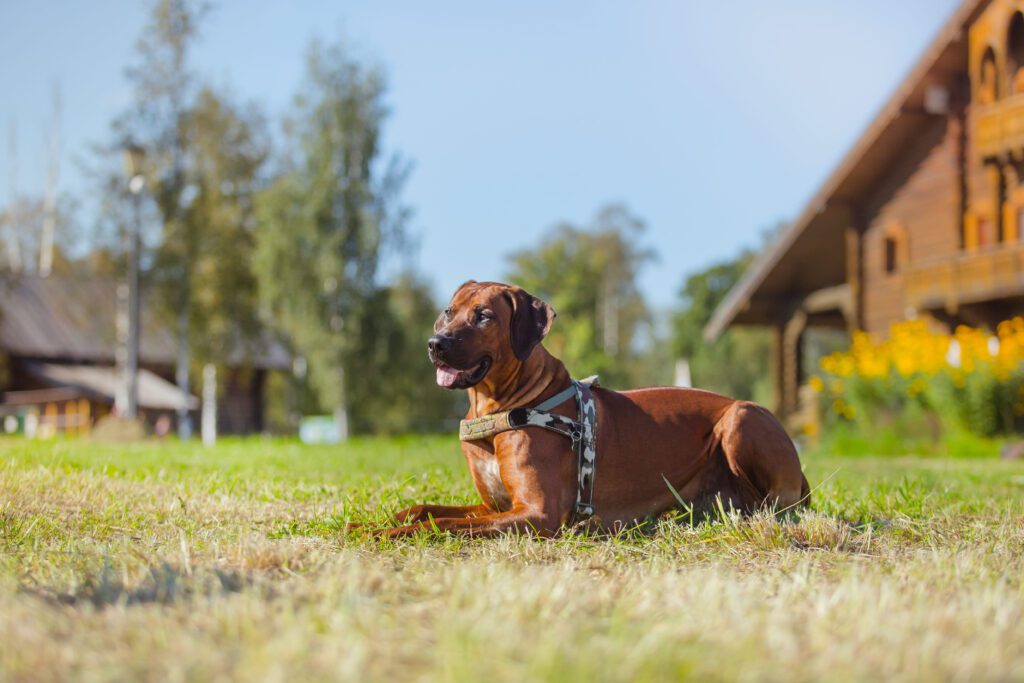


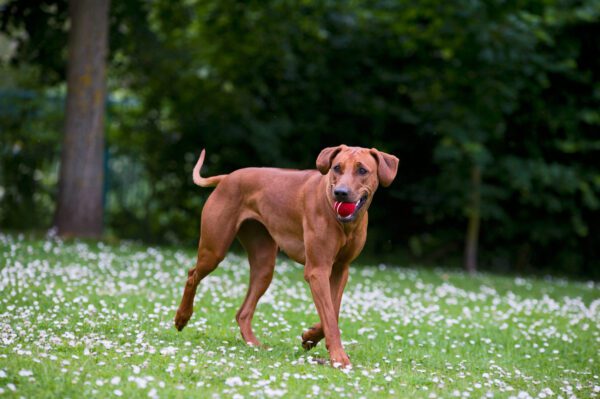
The Rhodesian Ridgeback is athletic, loyal, and confident. The breed bonds closely with family and shows calm affection at home. A Ridgeback thrives with active people who enjoy long walks, steady routines, and clear training. Research matters before you bring any dog home. A thoughtful plan helps you match energy levels, training goals, and lifestyle needs.
Choosing to adopt gives a deserving dog a second chance and supports humane care. Adoption also provides transparency about behavior and health because rescues and shelters evaluate dogs before placement. Many organizations include initial veterinary care in the fee, which helps you start strong.
New York offers a mix of urban and rural living that can suit this breed with the right commitments. The short coat handles warm summers but needs extra protection during cold winters. City apartments can work when daily exercise and structured enrichment are consistent. Upstate trails and suburban neighborhoods provide space for longer hikes and scent games. The key is to meet the breed’s need for movement, mental work, and stable leadership every day.
You can skip separate searches of rescues and shelters by using Dog Academy to browse Rhodesian Ridgeback adoption listings in one place. Dog Academy also offers educational guides and practical adoption checklists that help you prepare, compare options, and move through each step with confidence. You can filter by age, size, and location so that you find a match that fits your home and schedule.
In New York, you can find adoptable Rhodesian Ridgebacks through local animal shelters, regional rescues, and breed-specific rescue groups. Start by reading each dog’s profile carefully. Note energy level, social history, medical notes, and training progress. A strong match comes from aligning your daily routine with the dog’s needs for exercise, structure, and social time.
The adoption process usually begins with an online application. You will answer questions about your home, your schedule, your experience with large breeds, and your training plan. Many groups ask for references and may request a virtual or in-person home check. A home check evaluates safety, space, and readiness. Approval timelines often run 1 to 3 weeks, although complex placements can take 4 weeks or longer.
After approval, you will schedule a meet-and-greet. A meet-and-greet is a supervised visit that lets you observe temperament, leash skills, and how the dog responds to you. If you have resident pets or children, the organization may arrange a second visit that focuses on introductions and handling. Some rescues arrange transport to move dogs between locations when a strong match exists. Transport is typically a coordinated car or van relay managed by trained volunteers or staff, and it includes scheduled handoffs and health documentation. Final steps include signing an adoption contract and picking up your new companion with clear post-adoption support instructions.

|
How Much Does It Cost to Adopt a Rhodesian Ridgeback in New York?Most New York adopters can expect to pay $250 to $450 for an adult Rhodesian Ridgeback through a rescue or shelter. Puppies or highly trained adults with advanced veterinary care often range from $400 to $650. Fees tend to be higher in metro areas due to operating costs and demand for the breed. Adoption fees usually include spaying or neutering, vaccinations, microchipping, and veterinary exams. Pricing also reflects age, training level, recent medical treatments, and the overall demand for Rhodesian Ridgebacks in New York. A clear itemization of what the fee includes helps you compare options across organizations with confidence. |
How Should I Train a Rhodesian Ridgeback?The Rhodesian Ridgeback is intelligent and observant, and the breed learns quickly when training is clear and motivating. The breed also shows an independent streak that comes from its original hunting role. Success comes from calm leadership, short sessions, and rewards that matter to the dog such as food, toys, or access to sniff and explore. Positive reinforcement builds trust and focus, which makes learning faster and more reliable. Plan early work on loose-leash walking, recall, impulse control, and polite greetings. Practice in quiet spaces before moving to busy New York sidewalks or parks. Daily mental enrichment through scent games, food puzzles, and structured play reduces frustration and supports calm behavior at home. Consistency matters more than intensity. You can build skills step by step with Dog Academy’s online training courses, which provide guided lessons for recall, leash manners, crate training, and cooperative care. These lessons help city and suburban owners create routines that fit real New York schedules. |
|
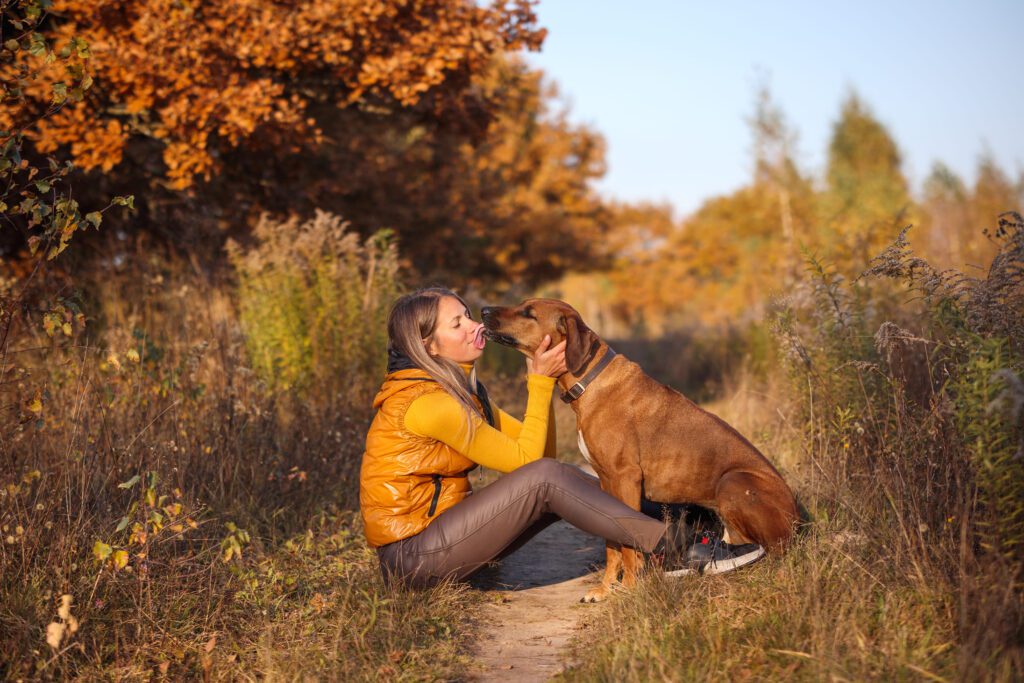
The ideal Rhodesian Ridgeback adopter enjoys daily activity, sets clear boundaries, and follows through with training. A good match provides time for exercise, regular mental work, and patient socialization. Preparation makes life easier for both you and your dog. Gather supplies, confirm a veterinary plan, and outline a weekly training routine before adoption day.
Take your time, ask questions, and learn as much as you can about each dog. Use Dog Academy to compare Rhodesian Ridgeback adoption options across New York with less effort. With research, structure, and steady training, you can welcome a confident and loving Ridgeback who thrives in your New York home.

Introducing a new puppy to your current dog is often an exciting process, and many dogs will become fast friends and eas...
Read More
Rescue dogs can make great companions and can transform your home into something better. These dogs make great pets and ...
Read More
You should never rush to pet a dog. Even dog owners make the mistake of approaching unfamiliar dogs and petting them rig...
Read More
Puppy mill dogs are survivors who have endured extreme hardships in their lives. They have grown up in horrendous, unsan...
Read More
With their wagging tails and comforting presence, adopting a dog can add a unique touch to your life. It’s a heart...
Read More
Older dogs may have a few gray hairs around the edges, but that doesn’t mean they can’t make wonderful companions! T...
Read More