





























































































































































































Introducing a new puppy to your current dog is often an exciting process, and many dogs will become fast friends and eas...
Read MoreAdopt Me

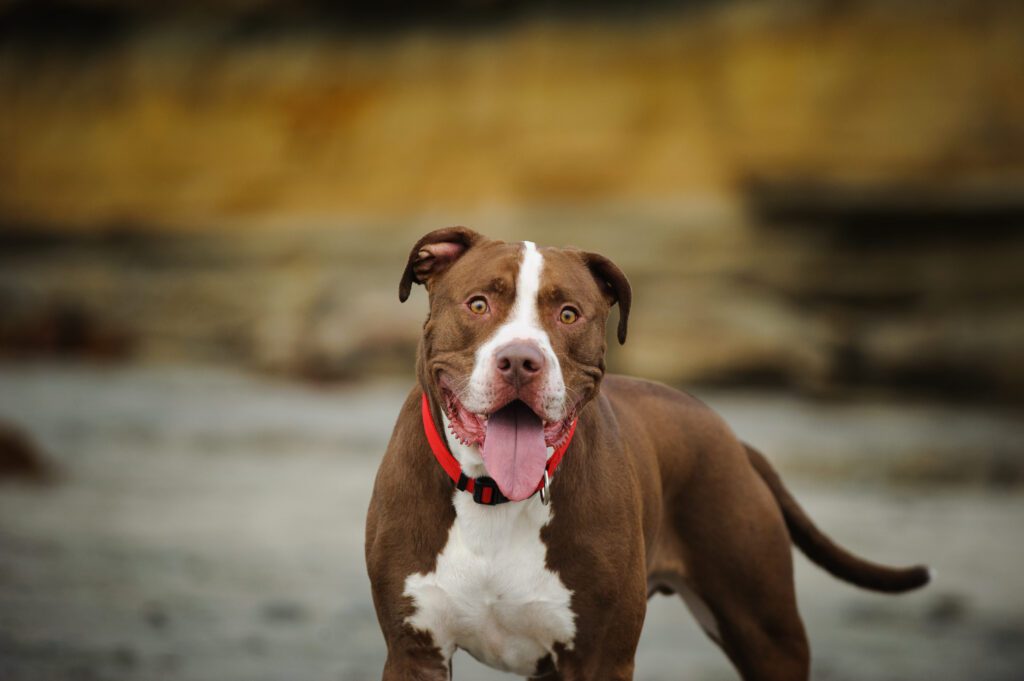

Pitbulls are affectionate, athletic, and eager to please. They bond closely with people, enjoy learning new skills, and thrive on routine and play. With steady training and structure, a Pitbull becomes a loyal companion who fits well into many households.
Thoughtful research always leads to better matches. Understanding energy needs, grooming, exercise, and training helps you set clear expectations. Adoption is often preferable to buying because adoptable dogs receive veterinary care, behavior evaluations, and support from knowledgeable teams. You also open space for another dog who needs help.
New York offers city living, suburban neighborhoods, and rural space, which means you can match a Pitbull’s exercise needs to your lifestyle. Urban sidewalks call for solid leash skills and calm greetings. Upstate trails and parks invite longer hikes and sniffing sessions. Winters are cold and windy, and Pitbulls have short coats, so a warm jacket and paw protection keep them comfortable. Summers can be hot and humid, so plan shaded walks, water breaks, and rest during midday heat.
You can skip searching shelters and rescues one by one by browsing Dog Academy. The adoption listings bring together dogs from local animal shelters, regional rescues, and breed-specific rescue groups so you can compare options in one place. You can also use Dog Academy’s educational guides and adoption checklists to prepare your home and plan your first weeks with a new dog.
Adoptable Pitbulls appear across New York in local animal shelters, regional rescues, and breed-specific rescue groups. Foster networks also help dogs adjust to home life before placement. Start by browsing listings, then read each bio closely for age, energy level, training history, compatibility with children or other pets, and any medical notes. Reach out to ask specific questions about daily routine, exercise tolerance, and handling preferences to ensure a strong fit.
Most organizations ask you to submit an application that describes your household, schedule, landlord or co-op policies, yard details, and veterinary history. A screening call or virtual interview often follows. Many groups arrange meet-and-greets at the shelter or in a foster home. Bring all household members and plan a careful introduction if you have resident dogs. Some organizations perform a home check either in person or by video to confirm safety, secure storage of cleaning products, and reliable containment like doors and gates. Timelines vary by volunteer capacity and demand. Shelters often approve within 2 to 7 days, while rescues typically finalize in 1 to 3 weeks.
After approval, you sign an adoption agreement, pay the fee, and set a pick-up time. Some rescues arrange transport to move dogs between locations. Transport is a coordinated system that uses professional drivers or volunteer relays to move dogs safely from one shelter or foster home to another, and you receive a clear schedule and meeting point. Plan your arrival home with a crate, leash, collar, identification tag, and a quiet room to help your new dog settle.

|
How Much Does It Cost to Adopt a Pitbull in New York?Expect to pay about $150 to $450 to adopt an adult Pitbull in New York. Puppies often cost about $300 to $550 because demand is higher and early care is more intensive. Fees reflect veterinary investments and local costs of care. Costs may increase with recent training, specialized behavior support, or significant medical treatment, and they may decrease for seniors or bonded pairs. Most adoption fees cover spaying or neutering, vaccinations, microchipping, and veterinary exams. Many organizations also include deworming, heartworm tests, and a starter collar or leash. Location, age, training, medical care, and demand all influence the final cost. |
How Should I Train a Pitbull?Pitbulls are intelligent and people oriented, which makes them highly trainable. They respond best to clear structure and rewards. Use positive reinforcement with food, toys, and praise to build reliable behaviors like sit, down, stay, come, and loose-leash walking. Keep sessions short and upbeat, and practice in quiet areas before adding distractions. Common challenges include leash pulling, overexcitement during greetings, and impulse control around squirrels or fast-moving objects. A front-clip harness helps manage pulling while you teach a focused heel. Daily exercise and mental enrichment reduce frustration and channel energy into good habits. Rotate puzzle feeders, scent games, tug with rules, and calm settle-time on a mat. Early and careful socialization builds confidence. Introduce new people, dogs, and environments in controlled, positive ways, and avoid rough play that teaches jumping or mouthing. If you want step-by-step guidance, explore Dog Academy’s online training courses. Lessons break complex skills into simple steps, provide troubleshooting tips, and help you create a consistent plan for manners, enrichment, and relaxation. |
|
The ideal adopter enjoys daily walks, structured play, and clear routines. You should feel comfortable guiding a strong dog with kind leadership, consistent training, and safe management. Preparation matters. Set up your home, confirm housing and insurance rules, gather supplies, and create a first-week schedule that includes rest, training, and gradual introductions.
Take your time, ask detailed questions, and meet more than one dog if needed. When you are ready, use Dog Academy to compare listings, learn from expert guides, and move forward with a plan. With patience and preparation, you will adopt a Pitbull in New York who fits your life and thrives in your care.

Introducing a new puppy to your current dog is often an exciting process, and many dogs will become fast friends and eas...
Read More
Rescue dogs can make great companions and can transform your home into something better. These dogs make great pets and ...
Read More
You should never rush to pet a dog. Even dog owners make the mistake of approaching unfamiliar dogs and petting them rig...
Read More
Puppy mill dogs are survivors who have endured extreme hardships in their lives. They have grown up in horrendous, unsan...
Read More
With their wagging tails and comforting presence, adopting a dog can add a unique touch to your life. It’s a heart...
Read More
Older dogs may have a few gray hairs around the edges, but that doesn’t mean they can’t make wonderful companions! T...
Read More