




























































































































































































Introducing a new puppy to your current dog is often an exciting process, and many dogs will become fast friends and eas...
Read MoreAdopt Me

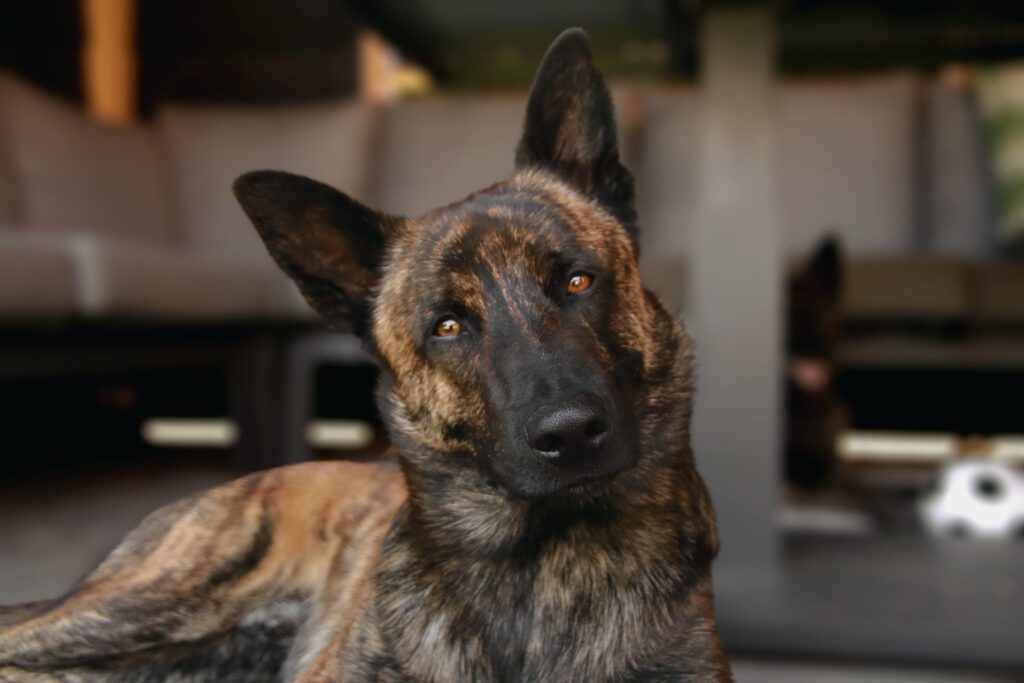
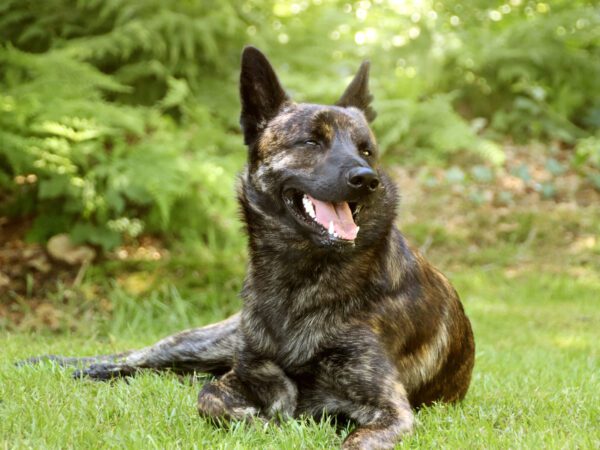
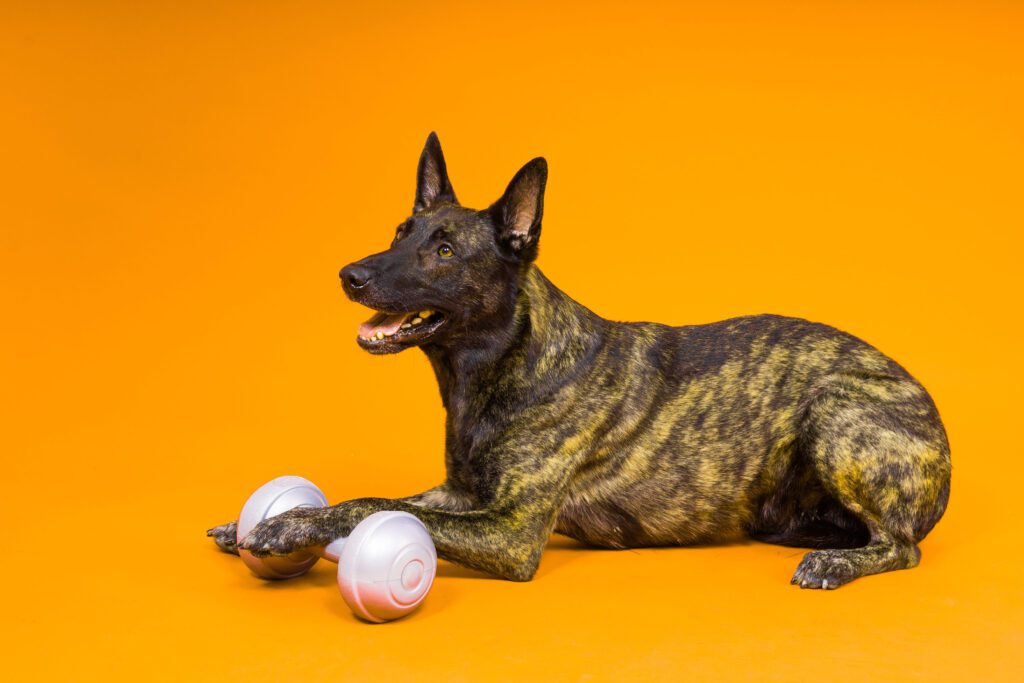
The Dutch Shepherd is a smart, athletic, and loyal herding dog that loves to work and learn. This breed offers quick intelligence, steady focus, and a striking brindle coat. A Dutch Shepherd thrives when the dog has structure, clear training, and a job to do. The breed rewards committed owners with deep companionship and reliable performance.
Thoughtful research matters before you adopt. A Dutch Shepherd needs daily exercise, mental enrichment, and steady training. Adoption gives a deserving dog a new start and often includes support from knowledgeable volunteers. Many adoptable dogs have received initial veterinary care and behavior evaluation, which helps new owners begin with confidence.
New York can suit this breed well when owners plan ahead. Winters are cold and windy, and summers are humid and hot. The Dutch Shepherd’s weather-resistant double coat handles winter chill, yet the dog still needs warm shelter, paw care on salted sidewalks, and shade during summer heat. City apartments require committed exercise plans, focused leash manners, and legal off-leash time in safe fenced areas. Suburban and upstate homes offer trails and yards, which make training and decompression easier. Your routine and environment should match a high-drive working breed that needs purpose every day.
You can skip searching shelters and rescues one by one by using Dog Academy. The adoption listings gather dogs from across the region so you can view options in one place. You can also explore educational guides and a clear adoption checklist, which makes it easier to prepare paperwork, plan a meet-and-greet, and choose the right fit for your home.
In New York, you can find adoptable Dutch Shepherds through local animal shelters, regional rescues, breed-specific rescue groups, and foster-based networks. Listings usually include photos, age, size, temperament notes, and location. Read each profile carefully and make sure energy level, training history, and household needs align with your lifestyle and schedule.
The process begins by browsing current listings, then submitting a complete application. Applications often ask for references, landlord or co-op approval, and a plan for exercise and training. After initial review, coordinators schedule a meet-and-greet with the dog and any household members. Many groups conduct a home check, which can be virtual or in person, to confirm safety and readiness. Timelines vary by organization and applicant responsiveness, yet most approvals in New York take 1 to 3 weeks once you finish each step promptly.
Some rescues arrange transport to move dogs between locations when a suitable match is found. Transport is organized by the rescue, which coordinates health certificates, safe travel, and scheduled handoffs. Adopters usually meet at a designated pickup point or receive delivery to the home, and a transport fee may apply. Ask for clear details about timing, costs, and follow-up support. If you cannot meet a dog before transport, request a live video session with the foster to see behavior in real time.
|
How Much Does It Cost to Adopt a Dutch Shepherd in New York?In New York, most Dutch Shepherd adoption fees fall between $350 and $600. Fees trend higher for puppies and dogs with extensive training, and they trend lower for senior dogs. Costs reflect age, training, medical care, and local demand. Adoption fees often include spaying or neutering, vaccinations, microchipping, and veterinary exams, and some groups also provide heartworm testing, preventatives, and a behavior assessment. Plan for post-adoption expenses such as quality food, a sturdy crate, training tools, licensing, and routine veterinary care. |
How Should I Train a Dutch Shepherd?The Dutch Shepherd is highly trainable, eager to work, and quick to generalize skills. This breed excels with reward-based methods that use food, toys, and praise. Keep sessions short, upbeat, and frequent to build reliable behaviors. Common challenges include strong herding impulses, mouthiness during play, and reactivity when under-exercised. Focus on impulse control, calm leash skills, and rock-solid recalls. Provide daily structure with purposeful activities such as obedience, scent games, and problem-solving tasks, and pair those activities with daily exercise that truly meets the dog’s needs. Early and ongoing socialization helps a Dutch Shepherd handle crowded sidewalks, elevators, traffic noise, and busy parks. Teach neutral greetings, settle on a mat, and loose-leash walking to make city life calm and predictable. For step-by-step guidance that fits a busy schedule, explore Dog Academy’s online training courses. Courses cover foundations, impulse control, crate training, loose-leash walking, and urban manners, which help you channel working-dog drive into polite, reliable behavior. |
|
The ideal New York adopter enjoys daily outdoor time, consistent training, and regular mental enrichment. A Dutch Shepherd thrives with an owner who sets clear rules, practices positive reinforcement, and offers meaningful work through sports, advanced obedience, or structured play. Preparation sets the tone for success.
Take time to research, ask thoughtful questions, and build a routine before the dog comes home. When you adopt a Dutch Shepherd in New York with a clear plan, you give a capable, devoted dog the stable life the breed deserves. Careful matching, steady training, and patient follow-through create a partnership that lasts.

Introducing a new puppy to your current dog is often an exciting process, and many dogs will become fast friends and eas...
Read More
Rescue dogs can make great companions and can transform your home into something better. These dogs make great pets and ...
Read More
You should never rush to pet a dog. Even dog owners make the mistake of approaching unfamiliar dogs and petting them rig...
Read More
Puppy mill dogs are survivors who have endured extreme hardships in their lives. They have grown up in horrendous, unsan...
Read More
With their wagging tails and comforting presence, adopting a dog can add a unique touch to your life. It’s a heart...
Read More
Older dogs may have a few gray hairs around the edges, but that doesn’t mean they can’t make wonderful companions! T...
Read More