




























































































































































































Introducing a new puppy to your current dog is often an exciting process, and many dogs will become fast friends and eas...
Read MoreAdopt Me

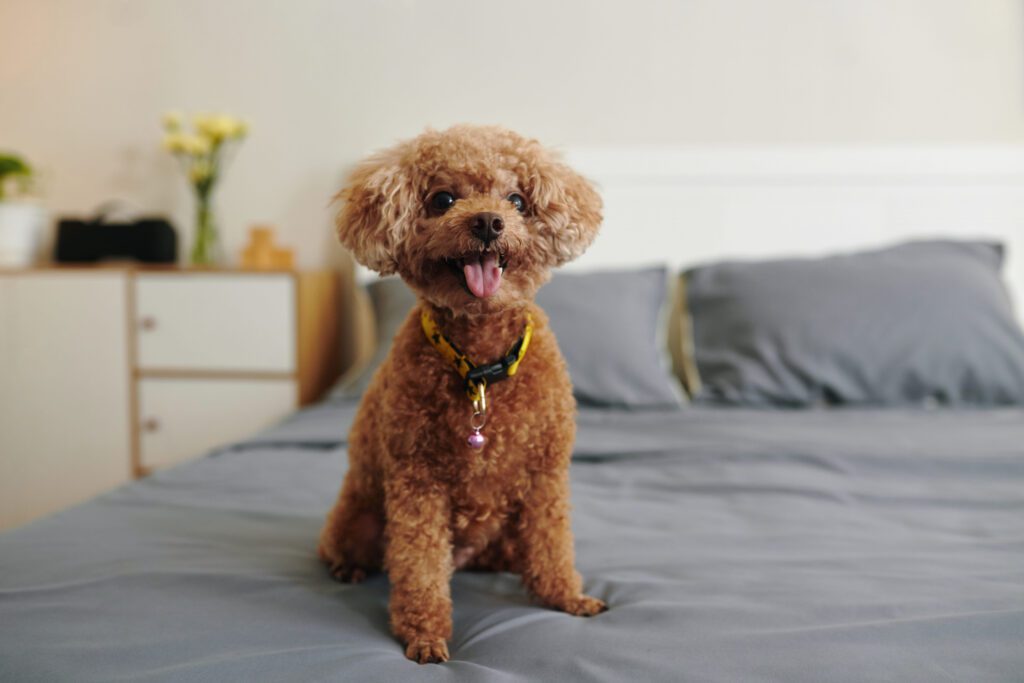

Toy Poodles are bright, affectionate, and easy to live with. The breed stays small yet has a big personality, which makes daily life more fun and more manageable in tight spaces. A Toy Poodle bonds closely with people, enjoys learning new skills, and prefers a steady routine with gentle handling.
Research matters before you adopt. A Toy Poodle has a curly coat that needs regular grooming, a quick mind that needs enrichment, and a social nature that needs daily companionship. Adoption gives a deserving dog a second chance and helps your community by opening space for another dog in need. It also offers transparency about temperament and health, which can make the transition smoother than buying from an unknown source.
New York suits the Toy Poodle well, although owners should plan for weather and lifestyle. Winters are cold and windy, so a warm sweater and quick outdoor trips protect a small dog with a single coat. Summers can be hot and humid, so shade, cool water, and midday rest are important. City living favors the Toy Poodle because the breed adapts to apartments and enjoys short, frequent walks. Suburban or rural areas also work when owners maintain a secure yard, manage snow and ice, and use tick prevention during hikes.
You can avoid searching shelters and rescues one by one by starting with Dog Academy. The adoption listings bring together available dogs from local animal shelters, regional rescues, and breed-specific rescue groups, which saves time and lets you filter by size, age, and location. Dog Academy also provides educational guides and adoption checklists so you can prepare your home and your schedule before you apply.
Begin by browsing listings to learn about each dog’s age, temperament notes, and any medical updates. Submit an application that explains your home, schedule, and experience with dogs. Many groups ask for personal references and a veterinarian contact to confirm your readiness. Some will request a virtual or in-person home check to ensure safe fencing, secure doors, and appropriate supplies.
A meet-and-greet follows for most adoptions. This visit lets you observe how the Toy Poodle interacts with you and your family. If you have pets, a slow and supervised introduction helps everyone feel safe. Approval timelines vary from a few days to a few weeks based on application volume, volunteer availability, and the specific needs of the dog.
Many rescues operate across regions and sometimes arrange transport to move dogs between locations when a good match is found. Transport is typically coordinated by the rescue, and it may involve ground travel with scheduled handoffs to ensure the dog’s safety. Always confirm transport details, health certificates, and pickup plans before finalizing the adoption.

|
How Much Does It Cost to Adopt a Toy Poodle in New York?Expect adoption fees for a Toy Poodle in New York to range from $300 to $650. Puppies and young adults often sit at the higher end due to strong demand and recent veterinary care, while senior dogs may be closer to the lower end. Fees usually help cover spaying or neutering, vaccinations, microchipping, and veterinary exams. Costs can increase when a dog arrives with specialized medical needs, when professional grooming or training has been provided, or when the rescue has invested in extended foster care. Age influences cost because puppies require more frequent boosters and supplies, and demand remains high for small breeds. A dog with completed basic training can also carry a higher fee because consistent manners shorten the adjustment period. Medical history, recent dental work, and geographic location within New York can further affect pricing. |
How Should I Train a Toy Poodle?Toy Poodles are intelligent and eager to learn, which makes training efficient and enjoyable. Short sessions with clear cues, frequent rewards, and calm handling keep a smart dog engaged. Positive reinforcement builds confidence and strengthens your bond, and it helps prevent fear-based behaviors. Common challenges include sensitivity to loud sounds, alert barking in busy hallways, and slow progress with house training during bad weather. Set your dog up for success with frequent outdoor breaks, a consistent potty spot, and praise for every success. Practice calm greetings, loose-leash walking, and quiet cues for city life. Touch and grooming practice matter for this breed because regular haircuts and ear care are part of life. Pair gentle handling with treats so nail trims and brushing become easy routines. If you want professional guidance you can follow at home, explore Dog Academy’s online training courses. Step-by-step lessons cover foundation skills, enrichment games, crate training, and behavior solutions tailored for small, sensitive dogs. |

|
The ideal adopter enjoys daily walks, short training sessions, and time together on the couch. A Toy Poodle thrives with owners who can commit to regular grooming, mental stimulation, and gentle structure. The breed suits apartments, condos, and townhomes as well as quiet suburbs, as long as exercise and companionship stay consistent.
Prepare your home, gather supplies, and learn about the breed before you apply. Take your time, ask thoughtful questions, and choose the dog whose needs match your lifestyle. With patience, planning, and the right resources, you can adopt a Toy Poodle in New York and start a happy life together.

Introducing a new puppy to your current dog is often an exciting process, and many dogs will become fast friends and eas...
Read More
Rescue dogs can make great companions and can transform your home into something better. These dogs make great pets and ...
Read More
You should never rush to pet a dog. Even dog owners make the mistake of approaching unfamiliar dogs and petting them rig...
Read More
Puppy mill dogs are survivors who have endured extreme hardships in their lives. They have grown up in horrendous, unsan...
Read More
With their wagging tails and comforting presence, adopting a dog can add a unique touch to your life. It’s a heart...
Read More
Older dogs may have a few gray hairs around the edges, but that doesn’t mean they can’t make wonderful companions! T...
Read More