




























































































































Introducing a new puppy to your current dog is often an exciting process, and many dogs will become fast friends and eas...
Read MoreAdopt Me

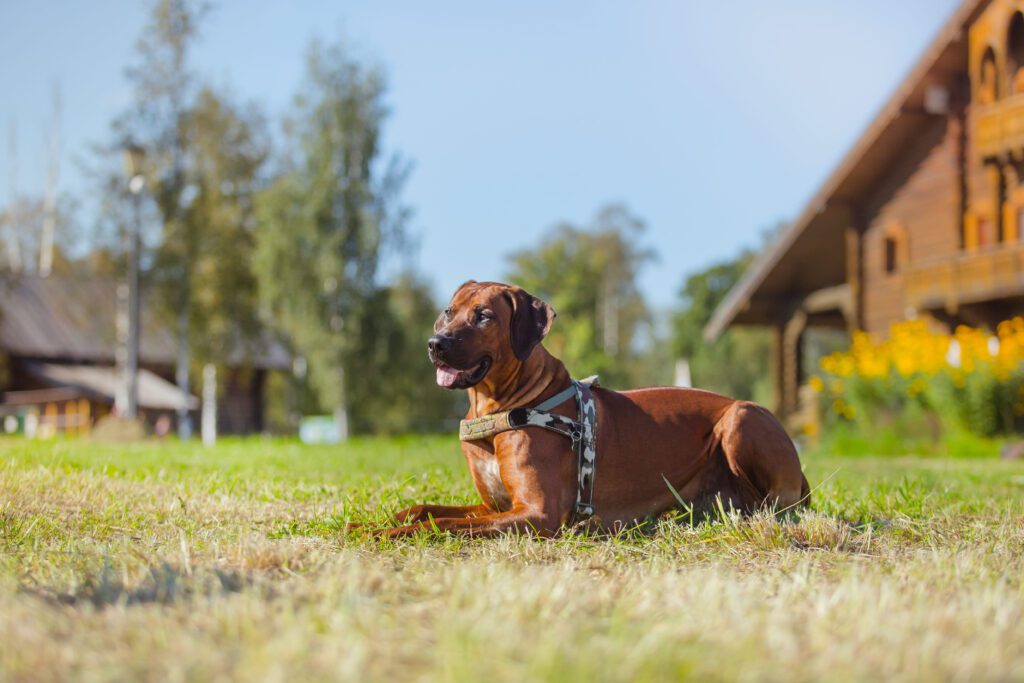
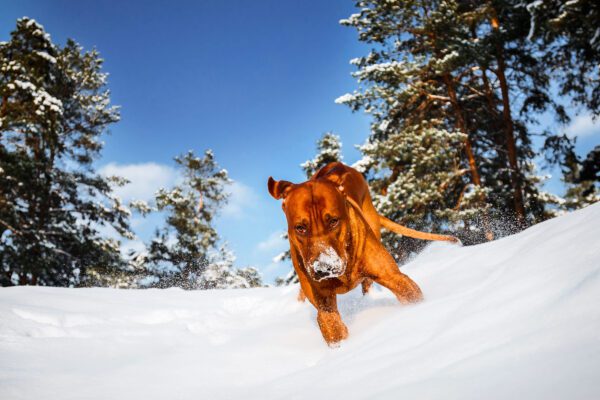
Rhodesian Ridgebacks are athletic, dignified, and deeply loyal. They bond closely with their families and stay calm indoors when their exercise needs are met. They carry an independent streak and a strong prey drive, which calls for steady leadership and daily training. Their short coat sheds little and requires simple grooming.
Research matters before you adopt a Rhodesian Ridgeback in Utah. Adoption helps a dog in need, supports responsible animal welfare, and often provides transparent behavior notes from fosters or staff. Utah offers miles of trails and open spaces that suit an active Ridgeback, yet the climate creates challenges. Summers in many regions are hot and dry, so you must plan shaded breaks, early or late walks, and ample water. Winters in the mountains can be cold, so you may need a warm coat and limited outdoor time during freezes.
Utah’s high elevation, strong sun, and varied terrain reward prepared owners. Paw protection on hot pavement or abrasive desert rock helps prevent injuries. Wildlife is common on trails, so reliable leash skills and a secure yard protect your dog and local species. With smart planning, this breed thrives in Utah’s adventurous lifestyle.
You can skip searching rescues and shelters one by one by starting with Dog Academy. You can browse available dogs in one place, learn about breed needs, and use clear adoption checklists to stay organized. You can also reach out to local animal shelters, regional rescues, and breed-specific rescue groups, which often place dogs through foster networks.
Begin by browsing listings and reading each profile in full. You should note energy level, temperament with children and pets, and any medical or training needs. When a dog looks like a fit, you submit an application that reviews your lifestyle, schedule, home setup, and experience with strong, active breeds. Many groups verify references and landlords to confirm pet policies and fencing.
Most organizations set a meet-and-greet after they review your application. You may meet the dog at a shelter, a foster home, or a neutral location. If you have resident pets, you schedule a slow introduction with guidance from staff. Many groups complete virtual or in-person home checks to confirm safe containment, proper shade, and space for exercise. Approval timelines vary by group. Shelters often complete adoptions within 3 to 10 days once you are approved. Rescue groups commonly finalize within 1 to 3 weeks due to foster coordination.
Some rescues approve adopters statewide and arrange transport between locations to place the right dog in the right home. Transport is often handled by volunteers or licensed carriers who move the dog by car. Rescues commonly require a health certificate and safe travel crate for the trip. Transport costs may be covered by the rescue or added to the adoption fee, and the group will explain the total in advance.
|
How Much Does It Cost to Adopt a Rhodesian Ridgeback in Utah?In Utah, expect a typical adoption fee of $250 to $600 for a Rhodesian Ridgeback or a close mix. Shelters tend to sit at the lower end, while breed-focused rescues sit at the higher end to cover comprehensive care. Puppies and young dogs usually cost more due to high demand. Fees reflect services that reduce your early expenses, which often include spaying or neutering, vaccinations, microchipping, and veterinary exams. Costs increase when a dog receives extra medical treatment, behavior support, or transport. Pricing often reflects age, training progress, medical history, and overall demand for the breed in a given season. Reputable groups disclose what the fee covers and provide itemized details when you ask. |
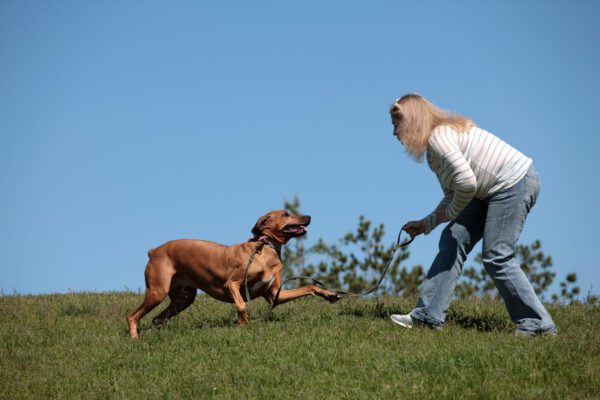
How Should I Train a Rhodesian Ridgeback?Rhodesian Ridgebacks are intelligent, athletic, and independent. They learn quickly when you use clear structure and meaningful rewards. They can ignore harsh corrections, so you should rely on positive reinforcement with food, toys, and praise. Early socialization, consistent leash skills, and rock-solid recall keep their prey drive manageable and their focus on you. Short, focused sessions work best. Practice loose-leash walking, recall with a long line in secure areas, and impulse control through sit, stay, and place. Crate training builds calm, and enrichment like scent games meets mental needs. You can follow step-by-step guidance with Dog Academy’s online training courses, which teach leash manners, recall, polite greetings, and calm behavior around distractions. A steady routine with daily exercise and clear expectations helps this breed shine. |
|
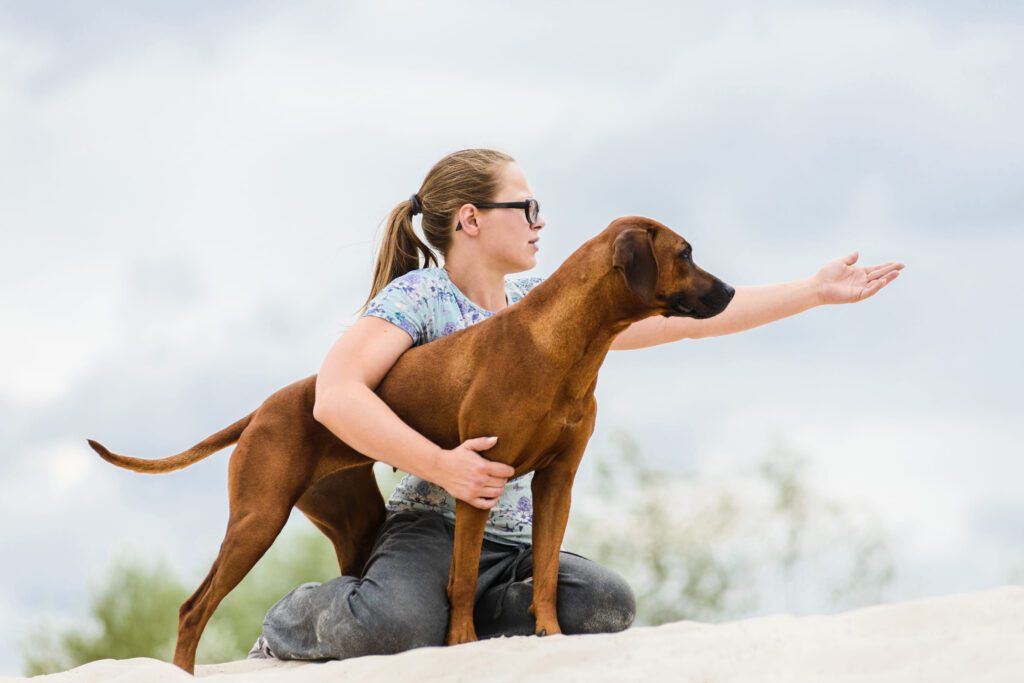
The ideal Utah adopter stays active, enjoys daily hikes or runs, and provides a secure yard with reliable fencing. The right home commits to training, manages a strong prey drive with smart handling, and maintains climate-aware routines that keep a short-coated dog safe in heat and cold.
Prepare your home, gather supplies, and set a realistic timeline. Take your time, ask detailed questions, and choose the dog whose needs match your lifestyle. With careful research and steady training, you can adopt a Rhodesian Ridgeback in Utah and build a lifelong partnership grounded in trust and adventure.
Introducing a new puppy to your current dog is often an exciting process, and many dogs will become fast friends and eas...
Read More
Rescue dogs can make great companions and can transform your home into something better. These dogs make great pets and ...
Read More
You should never rush to pet a dog. Even dog owners make the mistake of approaching unfamiliar dogs and petting them rig...
Read More
Puppy mill dogs are survivors who have endured extreme hardships in their lives. They have grown up in horrendous, unsan...
Read More
With their wagging tails and comforting presence, adopting a dog can add a unique touch to your life. It’s a heart...
Read More
Older dogs may have a few gray hairs around the edges, but that doesn’t mean they can’t make wonderful companions! T...
Read More