




























































































































































































Introducing a new puppy to your current dog is often an exciting process, and many dogs will become fast friends and eas...
Read MoreAdopt Me

Miss Chestnut
Hillside, IL
Breed: Nova Scotia Duck-Tolling Retriever
Sex: Female
Age: puppy




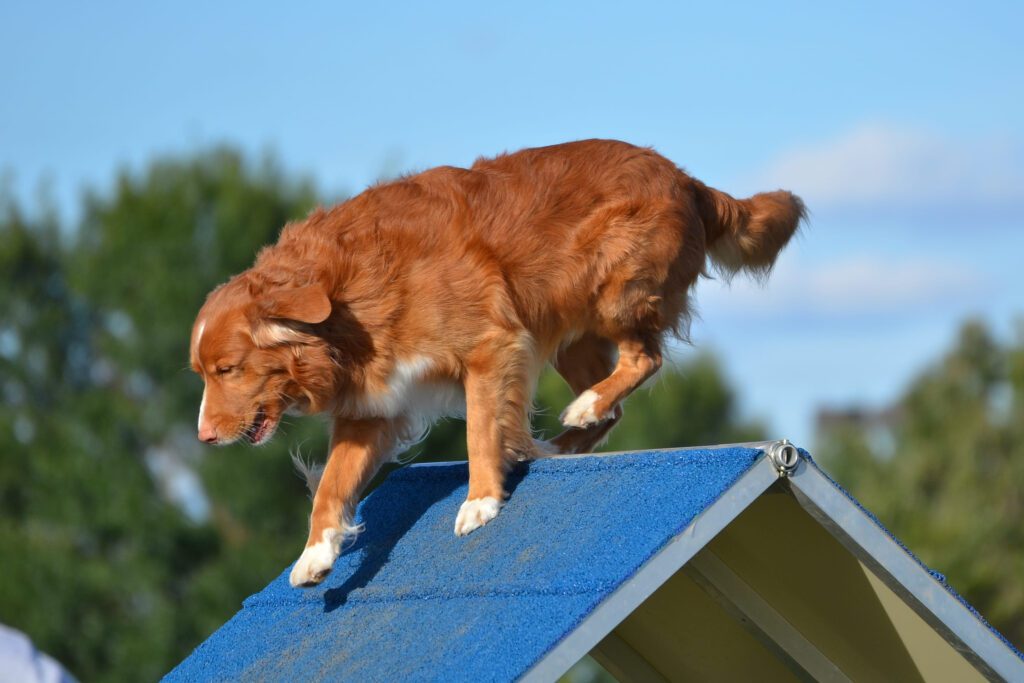
The Nova Scotia Duck Tolling Retriever is an energetic, intelligent, and affectionate companion that thrives on activity and teamwork. Tollers love water, enjoy retrieving, and learn quickly when training feels like a game. Careful research matters because this breed needs daily exercise, mental stimulation, and consistent guidance to stay happy and well mannered.
Adoption is often the best path for families who want a well matched companion. Adoption gives a dog a second chance, provides transparency about temperament and needs, and usually includes essential veterinary care at a fair cost. Maryland can be a great fit for Tollers because the state offers access to bays, rivers, and wooded trails where structured fetch, hiking, and swimming can happen safely. Summers are hot and humid in many areas, which means Tollers need shaded breaks and fresh water on every outing. Winters can be chilly, especially in the west, and the double coat helps a Toller stay comfortable during cold walks.
Maryland’s mix of suburbs, small towns, and rural spaces suits an active gundog. Apartment life can also work when an owner provides daily outlets like long walks, training sessions, and puzzle toys. Thoughtful planning ensures that the breed’s enthusiasm becomes a strength rather than a challenge.
You can avoid searching local rescues and shelters one by one by browsing listings through Dog Academy. The platform helps you view available dogs across multiple sources in one place, and it also provides educational guides and adoption checklists to prepare you for each step. You can also check local animal shelters, regional rescues, and breed-specific rescue groups that focus on sporting dogs.
Start by browsing listings to learn about each dog’s age, energy level, training history, and any medical needs. Submit a complete application that explains your household routine, exercise plans, and experience with active breeds. Expect requests for personal references, veterinary references, and proof of housing, which includes landlord approval when you rent.
Most groups schedule a meet-and-greet once your application passes an initial review. Meet-and-greets introduce the dog to every person and pet in the home, which helps everyone assess fit. Many groups also complete a home check that may be virtual or in person. A home check confirms that your space is safe, that yard fencing is secure when relevant, and that you have a plan for exercise and management.
Approval timelines vary by organization and by the number of applicants. Straightforward cases often finish in 1 to 3 weeks. More involved cases can take longer when medical care is pending or when multiple meet-and-greets are needed. Some rescues arrange transport to move dogs between locations when a great match is outside the immediate area. Transport is often organized through volunteer drivers or licensed carriers and may involve a small additional fee or a coordinated pickup at a central meeting point.

|
How Much Does It Cost to Adopt a Nova Scotia Duck Tolling Retriever in Maryland?In Maryland, most adopters can expect to pay about $300 to $650 for an adult Nova Scotia Duck Tolling Retriever through shelters and breed-focused rescues. Puppies tend to be higher due to demand and preventative care, and typical fees range from $500 to $750. Costs vary with age, training, medical history, and how many qualified adopters are interested in a specific dog. Adoption fees usually cover spaying or neutering, vaccinations, microchipping, and veterinary exams. Many groups also include deworming and heartworm testing. Dogs with extensive medical care or specialized training may carry higher fees that reflect those expenses while still offering strong value compared to buying. |
How Should I Train a Nova Scotia Duck Tolling Retriever?Tollers are bright, biddable, and eager to work, which means they respond well to reward-based methods. Short, upbeat sessions that use food, toys, and play keep motivation high. Focus on impulse control, loose-leash walking, polite greetings, and a rock-solid recall, especially around water and wildlife. Daily physical activity matters, and most Tollers do best with 60 to 90 minutes of combined exercise and training each day. Common challenges include vocalizing when excited, chasing moving objects, and getting bored with repetition. Rotate activities to keep the dog engaged. Mix retrieves with scent games, obedience drills, and problem-solving tasks. Crate training, place training, and a reliable settle cue help a Toller relax at home after active outings. For structured support at every stage, explore Dog Academy’s online training courses, which teach positive reinforcement skills you can apply in real life, from puppy foundations to advanced recall and calm behavior around distractions. |
|
The ideal Maryland adopter for a Nova Scotia Duck Tolling Retriever enjoys outdoor time, values consistent training, and can commit to daily exercise and enrichment. A good fit also includes patience, a stable routine, and a plan for grooming, which involves regular brushing to manage the double coat and seasonal shedding.
Preparation leads to a smoother transition. Gather supplies, set up a safe rest area, map out a training schedule, and review adoption checklists before your meet-and-greet. Take your time, ask clear questions, and choose the dog whose needs match your household. With thoughtful planning and steady training, you can adopt a Nova Scotia Duck Tolling Retriever in Maryland and enjoy a loyal, enthusiastic partner for years to come.

Introducing a new puppy to your current dog is often an exciting process, and many dogs will become fast friends and eas...
Read More
Rescue dogs can make great companions and can transform your home into something better. These dogs make great pets and ...
Read More
You should never rush to pet a dog. Even dog owners make the mistake of approaching unfamiliar dogs and petting them rig...
Read More
Puppy mill dogs are survivors who have endured extreme hardships in their lives. They have grown up in horrendous, unsan...
Read More
With their wagging tails and comforting presence, adopting a dog can add a unique touch to your life. It’s a heart...
Read More
Older dogs may have a few gray hairs around the edges, but that doesn’t mean they can’t make wonderful companions! T...
Read More