


























































































































































































Introducing a new puppy to your current dog is often an exciting process, and many dogs will become fast friends and eas...
Read MoreAdopt Me
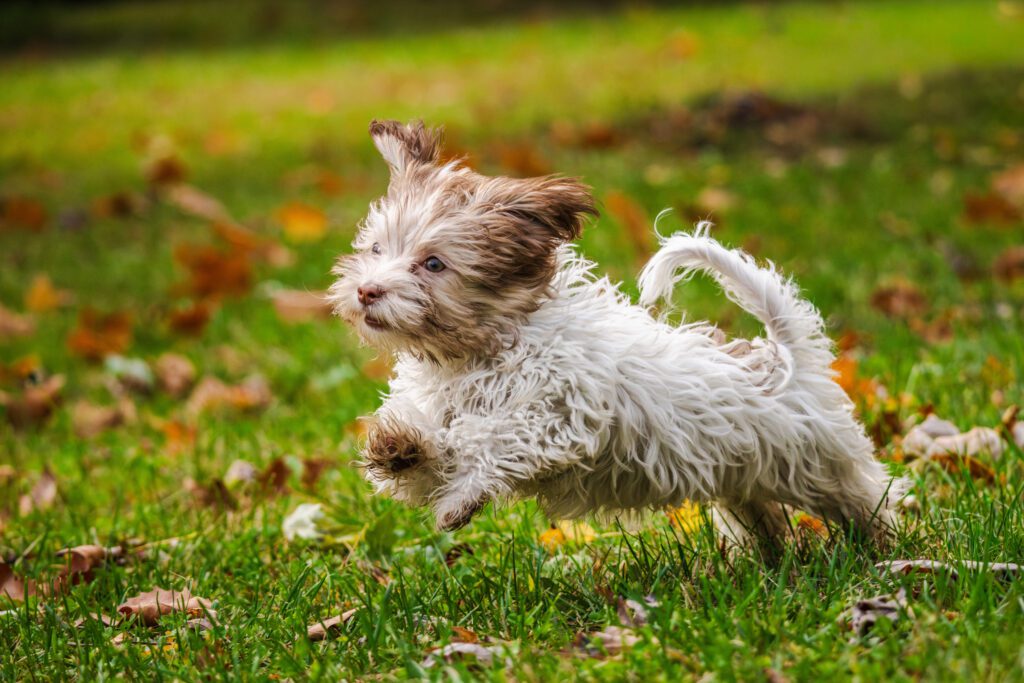
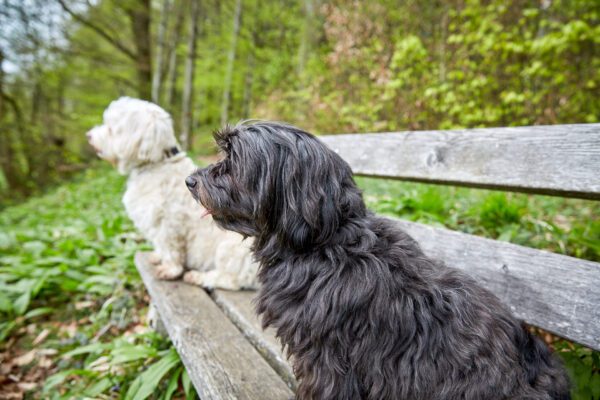
The Havanese is a cheerful, people-focused companion that loves to be near its family. This small dog is affectionate, bright, and playful, which makes the breed a great match for families, retirees, and first-time adopters who want a friendly housemate. Thoughtful research helps you understand grooming needs, exercise requirements, and temperament so you set your new dog up for success. Adoption gives a deserving dog a second chance and often includes essential veterinary care that supports a healthy start.
Wyoming’s wide-open spaces suit a dog that enjoys fresh air and short adventures. The state’s cold winters and high winds can challenge a small breed, so a Havanese does best with indoor living, warm layers in winter, and short potty breaks when temperatures drop. The breed is sturdy for its size but remains vulnerable to wildlife and rough terrain, which means supervised outdoor time and a secure yard are important. With these simple adjustments, a Havanese can thrive across Wyoming’s cities, towns, and rural communities.
Adopting rather than buying reduces pressure on commercial breeding and helps shelters and rescues place more dogs in stable homes. You also gain transparency about a dog’s personality because many adoptable Havanese live with foster families that observe behavior in real-world settings. Preparation, patience, and a plan for training and grooming turn a kind intention into a lifelong match.
You can avoid searching rescues and shelters separately by using Dog Academy to view adoptable Havanese from multiple sources in one place. Dog Academy’s listings help you scan options across Wyoming and nearby regions so you can focus on fit, not on opening countless tabs. You can review profiles, note care needs, and follow the listed steps to contact the organization that is caring for the dog.
You can also look for Havanese through local animal shelters, regional rescues, and breed-specific rescue groups. Availability can change quickly because small companion breeds often get adopted fast. Reading each profile closely helps you confirm age, size, health notes, and temperament, which ensures the dog’s needs match your lifestyle. A calm adult may suit a quiet household while a lively youngster may suit an active family that enjoys training games.
The typical process starts with browsing listings and submitting an application. The application usually asks about your home, schedule, experience with dogs, and veterinary references. After an initial review, many groups schedule a meet-and-greet to see how you and the dog connect. Some introductions happen at the facility or in a neutral public space, and some happen in a foster home to observe everyday behavior.
Many organizations also complete a home check to confirm a safe environment. A home check looks for secure fencing, safe storage of cleaning products, a plan for outdoor supervision, and a quiet sleeping area. Approval timelines often range from 3 to 14 days, depending on staffing, reference timing, and the number of applicants. Transport is sometimes arranged by rescues to move dogs between locations when a strong match is found, and this can involve a modest transport fee or a coordinated pickup at a meeting point.
|
How Much Does It Cost to Adopt a Havanese in Wyoming?In Wyoming, a realistic adoption fee for a Havanese is usually $250 to $450 for most adults. Puppies and very young dogs often range from $400 to $650 because demand is high and care costs are higher. Fees can sit on the lower end at community shelters and on the higher end at breed-focused groups that invest in specialized veterinary care and grooming. The fee often includes spaying or neutering, vaccinations, microchipping, and veterinary exams. Costs can increase if the dog receives dental cleanings, diagnostic tests, or treatment for conditions such as allergies or luxating patellas. Age, training, and demand also affect pricing. A well-socialized puppy with recent training can cost more than a senior that needs medication and a quieter lifestyle. |
How Should I Train a Havanese?The Havanese is intelligent, eager to please, and highly motivated by praise and small treats. Positive reinforcement builds trust and speeds learning because the breed responds best to gentle guidance and clear structure. House training can take extra patience in cold weather, so frequent outdoor trips, a consistent potty schedule, and careful reward timing help create reliable habits. Short daily sessions that mix obedience, play, and mental games keep this bright dog engaged without overload. Common challenges include barking when bored, clinginess that can grow into separation anxiety, and distracted sniffing on walks. You can prevent these issues by teaching calm alone time, rewarding quiet behavior, and practicing loose-leash skills in low-distraction areas before moving to busier places. You can follow a step-by-step plan with Dog Academy’s online training courses, which explain foundations like crate training, recall, polite greetings, and confidence building for a small companion breed. |
|
The ideal adopter enjoys daily interaction, can provide indoor living, and has time for grooming, short walks, and training. A Havanese feels happiest with people who value companionship, gentle handling, and a steady routine. Preparation matters, which means gathering supplies, planning a safe potty area for winter weather, and setting a first-week schedule that balances rest and bonding.
Take your time, ask questions, and choose a dog whose energy and needs match your home. With thoughtful research and the right support, you can adopt a Havanese in Wyoming and welcome a cheerful, loyal friend for years to come.

Introducing a new puppy to your current dog is often an exciting process, and many dogs will become fast friends and eas...
Read More
Rescue dogs can make great companions and can transform your home into something better. These dogs make great pets and ...
Read More
You should never rush to pet a dog. Even dog owners make the mistake of approaching unfamiliar dogs and petting them rig...
Read More
Puppy mill dogs are survivors who have endured extreme hardships in their lives. They have grown up in horrendous, unsan...
Read More
With their wagging tails and comforting presence, adopting a dog can add a unique touch to your life. It’s a heart...
Read More
Older dogs may have a few gray hairs around the edges, but that doesn’t mean they can’t make wonderful companions! T...
Read More