


































































































































































Introducing a new puppy to your current dog is often an exciting process, and many dogs will become fast friends and eas...
Read MoreAdopt Me
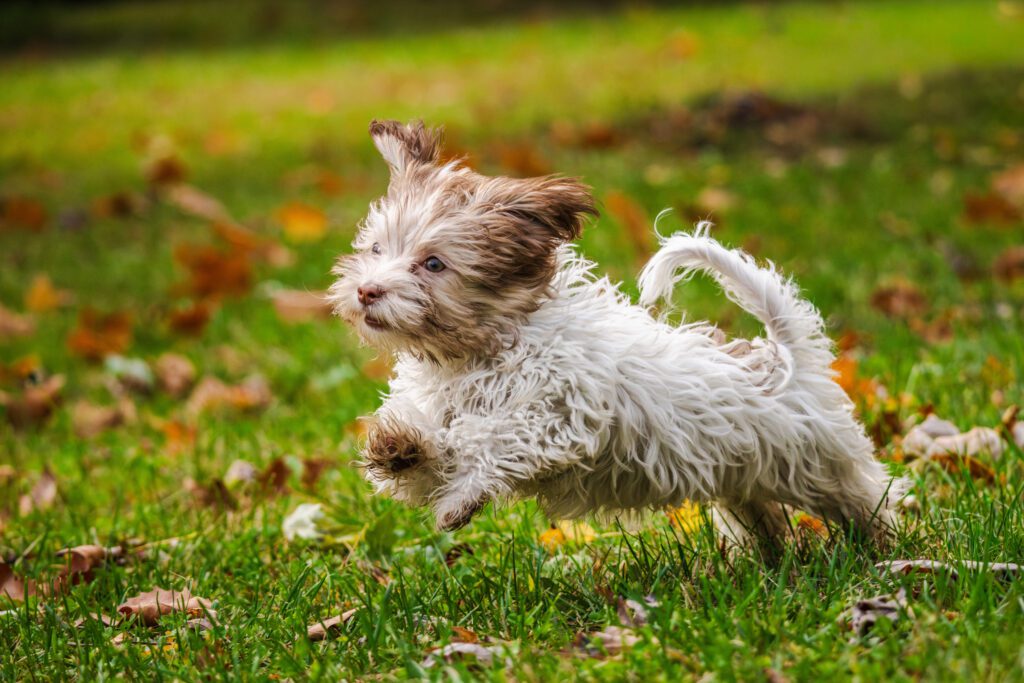

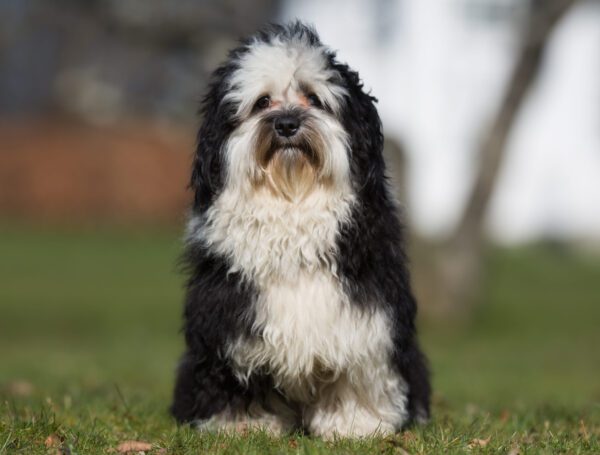
The Havanese is a cheerful, affectionate companion that loves people and learns quickly. This small breed enjoys play, thrives on attention, and fits well in homes that want a social, friendly dog. The silky coat looks glamorous and stays low shedding, yet it needs regular brushing and routine grooming to stay healthy and mat-free.
Thoughtful research before adoption protects both you and the dog. A Havanese needs daily interaction, short walks, mental games, and consistent training. Adoption is often the best path because it opens space for another dog in need and usually includes important veterinary care. Many rescued Havanese come with detailed notes from foster homes that describe personality, energy level, and household preferences.
New York offers many advantages for this breed. Apartments in New York City suit the Havanese because the breed is small, adaptable, and satisfied with short indoor play sessions and neighborhood walks. Upstate and suburban communities provide quiet streets and access to green spaces for gentle exercise. Winters are cold and windy, so a Havanese benefits from a warm sweater and limited outdoor time on freezing days. Summers are humid, so shade, fresh water, and calm midday routines keep this small companion comfortable.
You can skip separate searches of local animal shelters and regional rescues by using Dog Academy. The listings gather adoptable Havanese across New York in one place, with filters for age, size, and location. Dog Academy also provides clear adoption guides and practical checklists that help you prepare your home, compare options, and stay organized from application to homecoming.
Beyond centralized listings, you can find Havanese through local animal shelters, regional rescues, breed-specific rescue groups, and foster-based networks. Read each profile carefully and note temperament, activity needs, grooming history, and any medical updates. A Havanese thrives in homes that offer daily companionship, patient house training, and routine coat care, so match your lifestyle to the dog’s needs before you apply.
The adoption process usually begins with browsing listings and submitting an application that includes references, proof of housing, and information about your schedule. Many groups schedule a meet-and-greet to confirm compatibility with all household members. Home checks may be virtual or in person to review safety and readiness. Timelines vary by group and dog, yet approvals in New York commonly take 1 to 3 weeks from application to pickup when paperwork is complete.
Some rescues arrange transport between locations to place the right dog with the right family. Transport is a coordinated trip run by volunteers or professional drivers who move dogs safely from a shelter or foster home to a receiving location in New York. Transport often requires a health certificate, careful scheduling, and a modest fee to cover fuel and care during the journey.
|
How Much Does It Cost to Adopt a Havanese in New York?In New York, most Havanese adoption fees range from $300 to $650 for adults. Puppies and young adolescents often cost $500 to $700 due to higher demand and recent preventive care. These figures reflect typical small-breed rescue pricing in the state and can shift with location and season. Fees cover essential care such as spaying or neutering, vaccinations, microchipping, and veterinary exams. Costs vary with age, training, medical care, and demand. Senior dogs with known histories may cost less, while well-socialized puppies often cost more. Dentistry is common in small breeds, so a dog that recently received a dental cleaning may carry a higher fee that reflects that investment. |
How Should I Train a Havanese?The Havanese is intelligent, people focused, and eager to learn. Short sessions with clear goals work best, and rewards like soft treats, cheerful praise, and play keep this sensitive breed engaged. Positive reinforcement builds confidence and prevents anxiety, which helps with polite manners indoors and on city sidewalks. House training can take time with small dogs because small bladders need frequent breaks. A consistent schedule, crate training, and regular trips to a designated spot speed progress. Many Havanese bark to alert, so teach a quiet cue, increase enrichment, and reward calm behavior. Gentle socialization with new people, elevators, traffic sounds, and grooming tools creates a stable companion that handles busy New York life with ease. For step-by-step help, explore Dog Academy’s online training courses. The curriculum covers foundations like house training and leash skills, along with solutions for common issues such as barking and separation stress. Clear lessons and real-world exercises set you and your Havanese up for success. |

|
The ideal adopter wants a close companion, enjoys daily interaction, and can commit to grooming and gentle exercise. Families, retirees, and apartment dwellers do well when they plan consistent routines and provide mental enrichment. Preparation matters, so gather supplies in advance, schedule a veterinarian visit, and map out a training plan for the first 30 days.
Take your time, ask detailed questions, and choose the dog whose needs match your home. When you are ready to adopt a Havanese in New York, use Dog Academy to compare available dogs and follow a clear path from application to happy homecoming.
Introducing a new puppy to your current dog is often an exciting process, and many dogs will become fast friends and eas...
Read More
Rescue dogs can make great companions and can transform your home into something better. These dogs make great pets and ...
Read More
You should never rush to pet a dog. Even dog owners make the mistake of approaching unfamiliar dogs and petting them rig...
Read More
Puppy mill dogs are survivors who have endured extreme hardships in their lives. They have grown up in horrendous, unsan...
Read More
With their wagging tails and comforting presence, adopting a dog can add a unique touch to your life. It’s a heart...
Read More
Older dogs may have a few gray hairs around the edges, but that doesn’t mean they can’t make wonderful companions! T...
Read More