



























































































































































































Introducing a new puppy to your current dog is often an exciting process, and many dogs will become fast friends and eas...
Read MoreAdopt Me

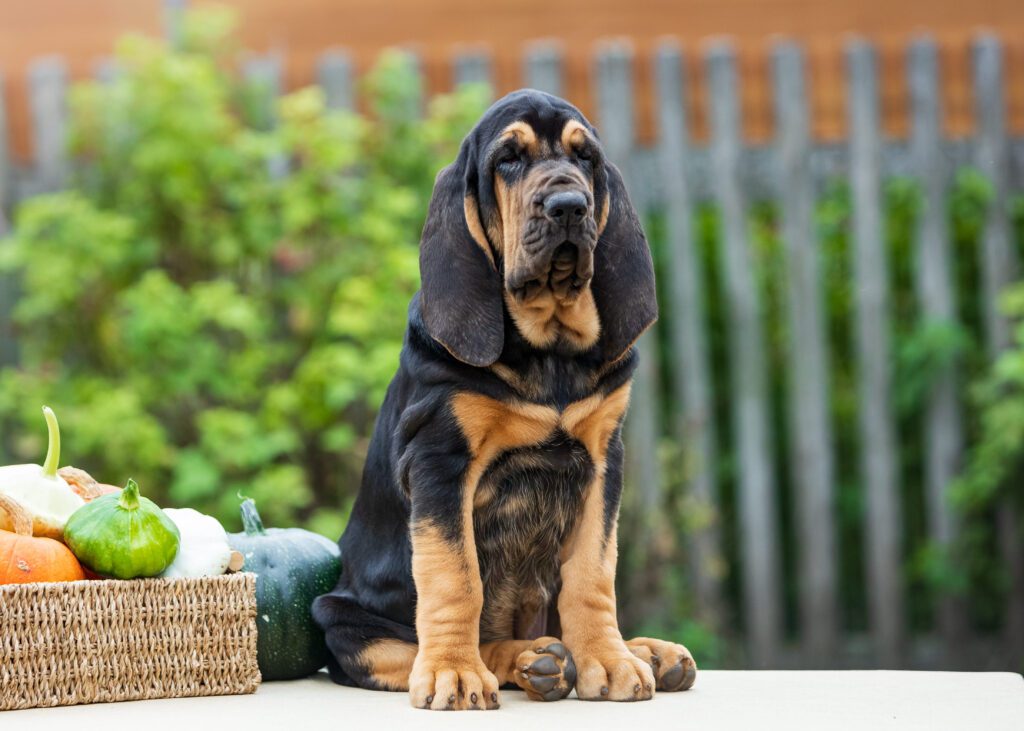

Bloodhounds are gentle, affectionate, and famously dedicated to following a scent. They are patient with families, steady with children, and surprisingly sensitive despite their size. Research matters before you adopt, because a Bloodhound’s powerful nose, deep bay, and substantial exercise needs require a committed owner who understands the breed’s nature.
Adoption offers a compassionate path that helps a dog in need and often provides a more complete medical history than buying. New Jersey can suit a Bloodhound well when owners plan for the state’s four-season climate and varied geography. Summers are humid and hot, which calls for shade, water, and rest breaks. Winters can be cold, which calls for shorter outings or a fitted coat. Coastal paths, pine barrens trails, and suburban greenways give room for long sniff walks, while denser towns require consistent leash skills and a secure, escape-proof fence at home.
You do not need to search local shelters and regional rescues separately. You can browse adoptable Bloodhounds and other dogs in one place using the adoption listings at Dog Academy. You can also use Dog Academy’s guides and adoption checklists to prepare your home, plan your timeline, and understand what supplies and training you will need.
Adoptable Bloodhounds appear through local animal shelters, regional rescues, and breed-specific rescue groups. Availability changes week by week, so check listings often and set alerts when possible. Reading each profile carefully helps you match energy level, age, and training history with your lifestyle. Pay close attention to notes about leash skills, noise sensitivity, and prey drive, since Bloodhounds tend to follow their nose and vocalize when excited.
The process usually starts with browsing listings, then submitting an application that includes personal information, household details, and references. Some groups request proof of landlord approval or condo rules if you rent. After the application review, many organizations schedule a meet-and-greet to ensure a good fit. A home check may follow to confirm safety, including secure fencing, safe storage of food and cleaning products, and an area for rest. Approval timelines often range from 1 to 3 weeks, depending on your responsiveness, reference timing, and the dog’s readiness for placement.
When a Bloodhound is located outside your immediate area, rescues sometimes arrange transport to move dogs between locations. Transport can involve volunteer drivers or licensed carriers who move dogs safely and legally. The group typically coordinates health certificates, schedules handoffs, and confirms arrival at agreed meeting points. Some transports add a modest fee, while others include it in the adoption cost, and the organizer will explain these details before you commit.
|
How Much Does It Cost to Adopt a Bloodhound in New Jersey?Expect a typical adoption fee of $300 to $550 for a Bloodhound in New Jersey. Fees reflect prior care, which commonly includes spaying or neutering, vaccinations, microchipping, and veterinary exams. Costs can rise when recent medical treatment, heartworm prevention, or professional training is provided, and costs can shift with local demand for large scent hounds. Puppies and young adults often fall at the higher end due to higher demand and recent veterinary care, which can place them closer to $450 to $650. Seniors or dogs with special needs can be lower, often between $150 and $300, when organizations want to encourage the right match. Age, training history, medical needs, and regional demand all influence the final fee. |
How Should I Train a Bloodhound?Bloodhounds are intelligent and eager, yet they can be independent because scent is their top priority. They excel when training taps into that instinct. Short, upbeat sessions with high-value rewards work best. Positive reinforcement builds trust and keeps focus in distracting environments. A consistent marker word and immediate rewards help the dog connect the behavior with the outcome. Common challenges include pulling on leash, distracted recalls, and baying. Teach loose-leash walking with frequent reinforcement for a slack line, then add mild distractions before practicing near enticing scents. Train recall with a long line, reward fast turnarounds, and add distance gradually. Teach a quiet cue by rewarding calm moments before excitement escalates. Provide daily sniff walks, food puzzles, and scent games so your Bloodhound uses mental energy in healthy ways. For step-by-step guidance, consider Dog Academy’s online training courses. You can follow structured lessons for recall, loose-leash walking, enrichment, and polite manners that fit a scent hound’s needs. Lessons help you create a plan you can follow at home, which improves consistency and speeds progress. |

|
The ideal Bloodhound owner enjoys long sniff-focused walks, values positive reinforcement, and keeps a secure yard and reliable routine. Patience matters, because a thoughtful scent hound learns best when training feels rewarding and clear. Preparation is just as important as enthusiasm. Set up safe confinement, gather supplies, and plan your first week before you bring your dog home.
Take your time, ask questions, and be honest about your lifestyle. A well-matched adoption benefits you and the dog for years to come. Start your search with confidence and use expert resources so you can adopt a Bloodhound in New Jersey with clarity, care, and long-term success.

Introducing a new puppy to your current dog is often an exciting process, and many dogs will become fast friends and eas...
Read More
Rescue dogs can make great companions and can transform your home into something better. These dogs make great pets and ...
Read More
You should never rush to pet a dog. Even dog owners make the mistake of approaching unfamiliar dogs and petting them rig...
Read More
Puppy mill dogs are survivors who have endured extreme hardships in their lives. They have grown up in horrendous, unsan...
Read More
With their wagging tails and comforting presence, adopting a dog can add a unique touch to your life. It’s a heart...
Read More
Older dogs may have a few gray hairs around the edges, but that doesn’t mean they can’t make wonderful companions! T...
Read More