



























































































































































































Introducing a new puppy to your current dog is often an exciting process, and many dogs will become fast friends and eas...
Read MoreAdopt Me

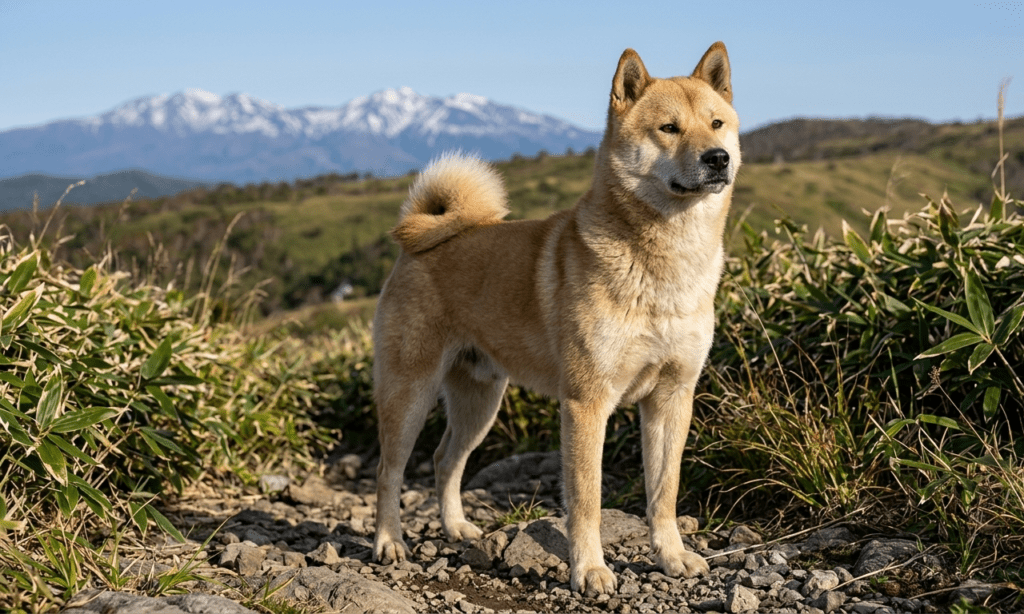
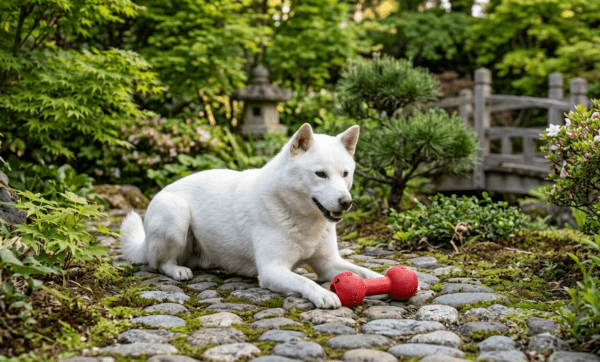
The Hokkaido is a smart, loyal, and resilient northern breed that bonds closely with its family. This medium-sized spitz is known for steady courage, keen awareness, and a weatherproof double coat. Many people love the Hokkaido for its calm confidence at home and its athletic energy outdoors.
Thoughtful research always leads to better matches. Understanding exercise needs, coat care, and temperament helps you choose a dog that fits your day-to-day life. Adoption is a responsible path because it provides a home to a dog in need while supporting organizations that prioritize welfare and transparent care.
New Jersey can suit a Hokkaido well. Cold winters are comfortable for a thick-coated dog, while hot and humid summers require shade, water, and controlled activity. The state offers suburban neighborhoods, coastal boardwalks, and wooded trails that keep an active dog engaged. Apartment living can work when you commit to daily exercise, structured training, and mental enrichment. Families who manage heat carefully and who enjoy year-round outdoor time tend to thrive with this breed.
You can avoid searching rescues and shelters one by one by using Dog Academy to browse adoption listings across locations. You can also use Dog Academy’s educational guides and adoption checklists to prepare for applications, interviews, and home checks. In addition to centralized tools, you can look to local animal shelters, regional rescues, breed-specific rescue groups, and foster networks that place northern breeds in permanent homes.
The Hokkaido is rare in the United States, so casting a wider net often helps. Regional rescues may list dogs fostered in nearby states. Transport is often arranged by rescues to move dogs between states when an approved adopter is a good match. Transport typically involves vetted volunteer drivers or professional carriers who follow set schedules and health requirements.
The process usually follows clear steps. You start by browsing listings and reading each dog’s profile for age, temperament, energy level, and care needs. You then submit an application that includes references, proof of housing, and landlord approval if you rent. Many groups ask for a meet-and-greet with all household members and resident pets to confirm compatibility.
Home checks are common and help ensure safety. A volunteer or staff member may conduct a virtual or in-person walkthrough to confirm secure fencing, safe storage of cleaners and medications, and suitable space for rest and exercise. Approval timelines vary by group and by how quickly references respond, but many adopters move from application to decision within 1 to 3 weeks. Clear communication, complete paperwork, and flexible scheduling usually speed up the process.

|
How Much Does It Cost to Adopt a Hokkaido in New Jersey?Because the Hokkaido is uncommon and often receives comprehensive veterinary care before placement, most adopters in New Jersey can expect an adoption fee between $350 and $600. Very young dogs with recent training or extra medical work may land near the top of that range, while older dogs sometimes fall near the lower end. Fees usually reflect spaying or neutering, vaccinations, microchipping, and veterinary exams. Costs also shift with age, demand, prior training, and any treatments completed before adoption. Budget for post-adoption needs as well. Crates, leashes, chew toys, grooming tools, and quality food add to first-month expenses. Professional support such as group classes or private sessions can also be a smart investment for a confident and independent breed. |
How Should I Train a Hokkaido?The Hokkaido is intelligent, observant, and capable of rapid learning when training is clear and rewarding. The breed can be independent and cautious with strangers, so early socialization and consistent structure are essential. Positive reinforcement with high-value rewards keeps training upbeat and helps build trust. Focus first on name recognition, recall, loose-leash walking, impulse control, and polite greetings. Use short sessions, clear markers, and generous reinforcement for calm choices. A long line in safe open areas supports recall while preventing chasing behavior, which can surface due to a strong prey drive. Daily mental work such as scent games, puzzle feeders, and obedience drills prevents boredom and reduces vocalizing or pacing. Many families benefit from structured guidance through Dog Academy’s online training courses. Step-by-step lessons help you build reliable cues, address reactivity or shyness, and create routines that balance exercise, enrichment, and rest. Consistency, patience, and gentle handling produce the best results for this thoughtful and loyal companion. |
|
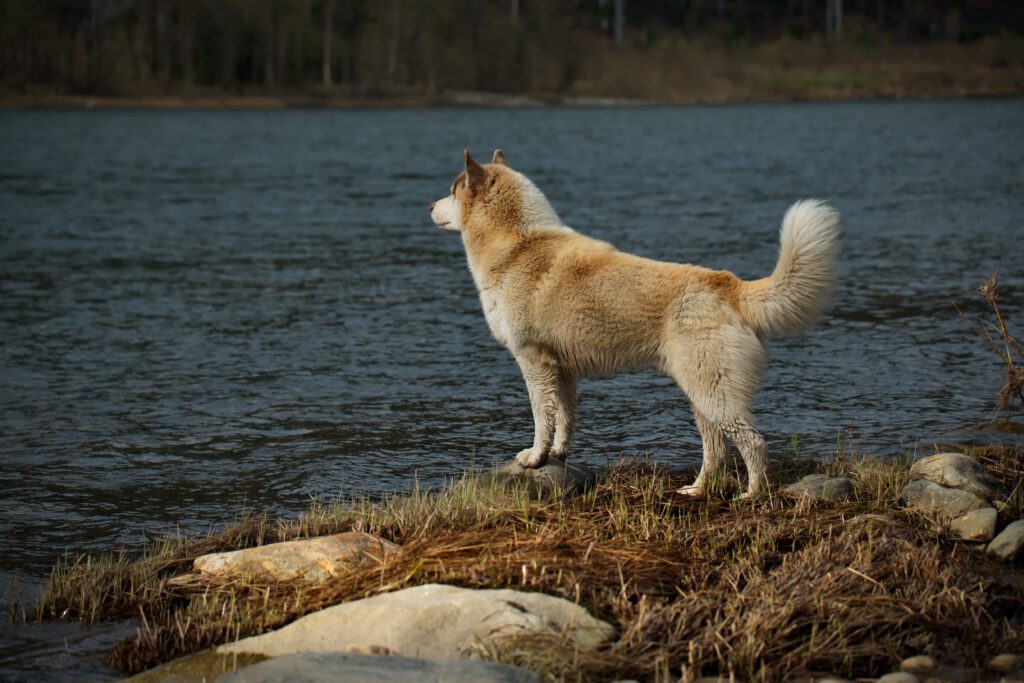
The ideal adopter enjoys regular outdoor activity, values calm leadership, and appreciates a tidy routine. A secure yard is helpful, though not required when you commit to daily walks and enrichment. Families who can manage summer heat, provide steady training, and embrace seasonal shedding will find the Hokkaido a devoted and rewarding partner.
Take your time, ask detailed questions, and prepare your home before you bring a dog home. With careful research, a clear plan for training and exercise, and support from the right resources, you can adopt a Hokkaido in New Jersey with confidence and start a happy, healthy life together.

Introducing a new puppy to your current dog is often an exciting process, and many dogs will become fast friends and eas...
Read More
Rescue dogs can make great companions and can transform your home into something better. These dogs make great pets and ...
Read More
You should never rush to pet a dog. Even dog owners make the mistake of approaching unfamiliar dogs and petting them rig...
Read More
Puppy mill dogs are survivors who have endured extreme hardships in their lives. They have grown up in horrendous, unsan...
Read More
With their wagging tails and comforting presence, adopting a dog can add a unique touch to your life. It’s a heart...
Read More
Older dogs may have a few gray hairs around the edges, but that doesn’t mean they can’t make wonderful companions! T...
Read More