

































































































































Introducing a new puppy to your current dog is often an exciting process, and many dogs will become fast friends and eas...
Read MoreAdopt Me
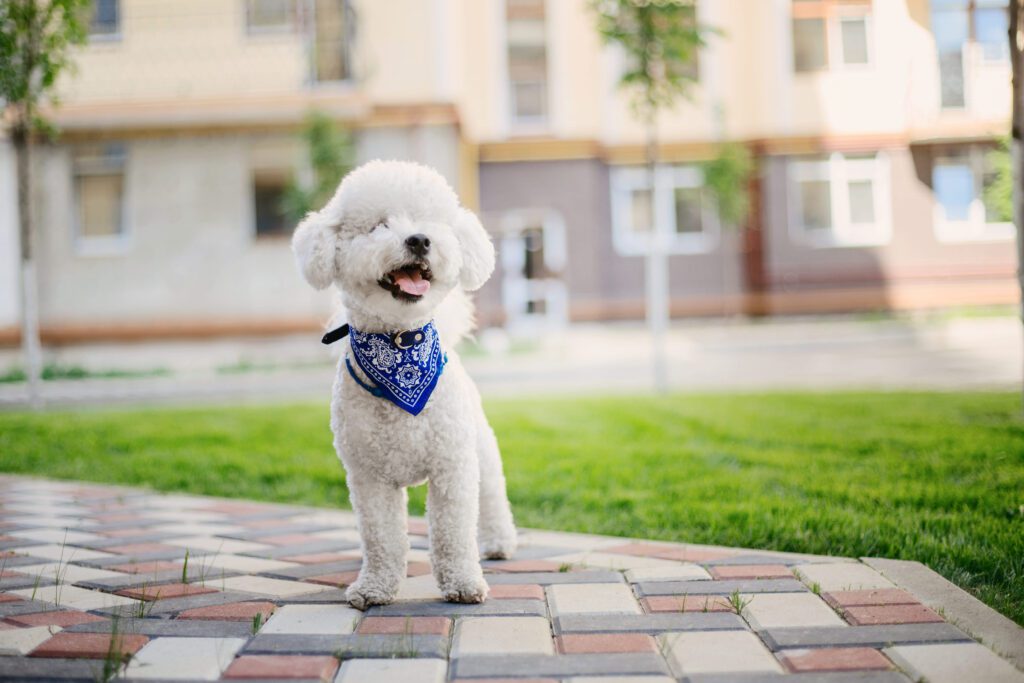
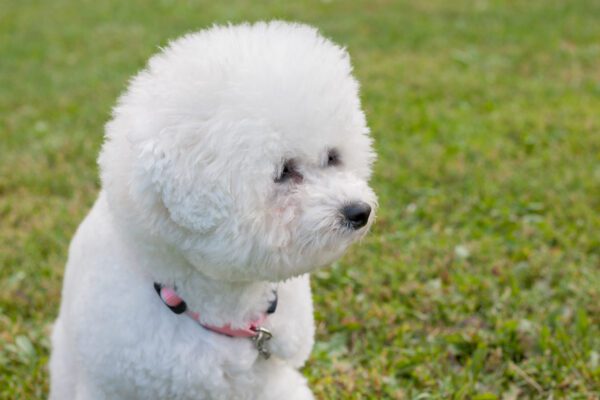
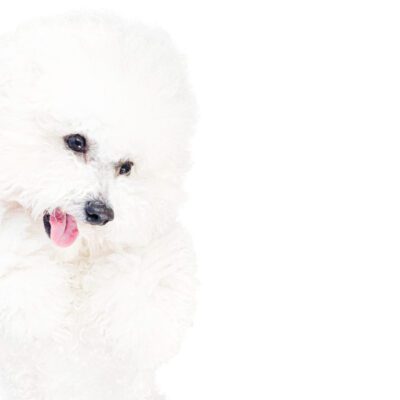
The Bichon Frise is a bright, affectionate companion that loves people and thrives on daily interaction. This small dog has a soft, low-shedding coat and a cheerful personality that fits families, singles, and seniors. Most Bichons enjoy short, playful bursts of activity followed by plenty of lap time, which makes them a great match for many Kansas homes.
Thoughtful research should guide every adoption decision. A Bichon Frise needs regular grooming, gentle training, and consistent companionship. Adoption helps a deserving dog while also supporting life-saving work in your community. Many adopted Bichons arrive already vetted and temperament tested, which gives you a strong start toward a smooth transition.
Kansas offers a mix of urban apartments, suburban neighborhoods, and rural properties. Hot summers and cold winters are common across the state. A Bichon Frise does best with indoor living, air conditioning during heat waves, and a warm coat during icy weather. Flat, windy plains can dry skin, so regular coat care and hydration help keep this breed comfortable. Daily walks and supervised yard time suit the Bichon lifestyle in Kansas when you plan around the weather.
You can avoid searching shelters and rescues one by one by starting with Dog Academy. The adoption listings bring together available dogs and provide education guides and checklists so you understand each step. You can also look at local animal shelters, regional rescues, and foster-based groups that focus on small breeds or companion dogs. Breed-specific rescue groups sometimes have Bichons or Bichon mixes available as well.
Begin by browsing listings, reading each dog’s bio, and noting energy level, age, health, and behavior notes. Submit an application that usually requests identification, references, proof of housing, and permission from a landlord or homeowners association when required. Clear and complete answers help teams match you with a dog that fits your home and routine.
After the application review, many groups schedule a phone interview to discuss needs, grooming comfort, and training goals. Meet-and-greets let you see how the Bichon interacts with all household members and resident pets. Some organizations complete a home check to confirm safety features, which can include a secure entry, a plan for safe confinement during the first weeks, and a tidy space for food, water, and rest. Home checks may be virtual or in person.
Approval timelines vary by organization and by the number of applications. Many adopters receive a decision within 1 to 3 weeks, and urgent cases can move faster when you are prepared. If the right Bichon is not nearby, rescues sometimes arrange transport to move dogs between locations. Transport is often coordinated by volunteers or professional partners who move dogs safely and keep adopters updated on schedules and arrival plans.

|
How Much Does It Cost to Adopt a Bichon Frise in Kansas?Most adopters in Kansas pay $250 to $500 to adopt a Bichon Frise. Puppies can sit at the top of that range and may reach about $550 when early care costs are high. Seniors or dogs with special needs can be lower when groups aim to encourage placement. Fees reflect the breed’s grooming needs and the veterinary care that responsible organizations provide before adoption. Costs change with age, training, medical history, and local demand for low-shedding small dogs. Fees typically help cover spaying or neutering, vaccinations, microchipping, and veterinary exams. Many groups also invest in dental cleanings, heartworm testing, preventive medications, behavioral support, and professional grooming so your Bichon arrives healthy and ready to settle in. |
How Should I Train a Bichon Frise?The Bichon Frise is intelligent, people focused, and highly motivated by praise, treats, and play. Short, upbeat sessions build focus without overwhelming a sensitive dog. Consistency matters. Reward calm choices, practice polite greetings, and teach a reliable come, sit, and stay to create a confident companion. House training can take time with small breeds, so use a regular schedule, frequent outdoor breaks, and careful supervision. Crate training supports success by giving your dog a safe resting space and by preventing accidents when you cannot supervise. Many Bichons vocalize when bored or under exercised, so provide daily walks, enrichment toys, and quiet settle training. Grooming tolerance is essential for this breed. Introduce brushes, combs, nail care, and the hair dryer with gradual desensitization and steady rewards. For step-by-step guidance, explore Dog Academy’s online training courses and build a plan that fits your dog and your schedule. |

|
The ideal adopter enjoys daily walks, gentle play, and regular brushing. A Bichon Frise thrives with someone who works from home or can provide midday breaks, who budgets for frequent grooming, and who values positive reinforcement training. Families with respectful children and calm resident pets often do very well with this affectionate breed.
Preparation leads to a smooth transition. Set up supplies, read training guides, and review adoption checklists before your meet-and-greet. Take your time, ask clear questions, and choose a dog whose energy and needs match your lifestyle. With patience and planning, you can adopt a Bichon Frise in Kansas and welcome a joyful companion into your home.
Introducing a new puppy to your current dog is often an exciting process, and many dogs will become fast friends and eas...
Read More
Rescue dogs can make great companions and can transform your home into something better. These dogs make great pets and ...
Read More
You should never rush to pet a dog. Even dog owners make the mistake of approaching unfamiliar dogs and petting them rig...
Read More
Puppy mill dogs are survivors who have endured extreme hardships in their lives. They have grown up in horrendous, unsan...
Read More
With their wagging tails and comforting presence, adopting a dog can add a unique touch to your life. It’s a heart...
Read More
Older dogs may have a few gray hairs around the edges, but that doesn’t mean they can’t make wonderful companions! T...
Read More