

















































































































































































Introducing a new puppy to your current dog is often an exciting process, and many dogs will become fast friends and eas...
Read More
How to Introduce a New Puppy to Your Dog

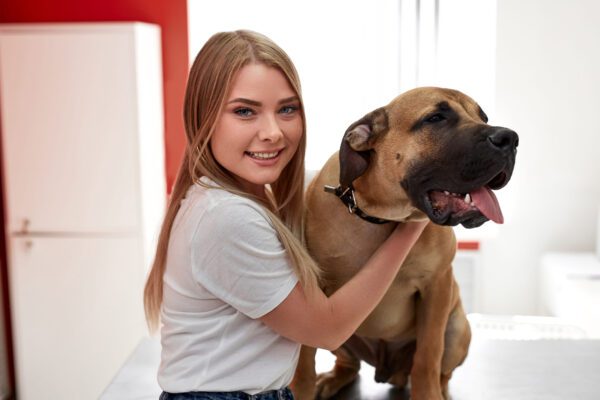
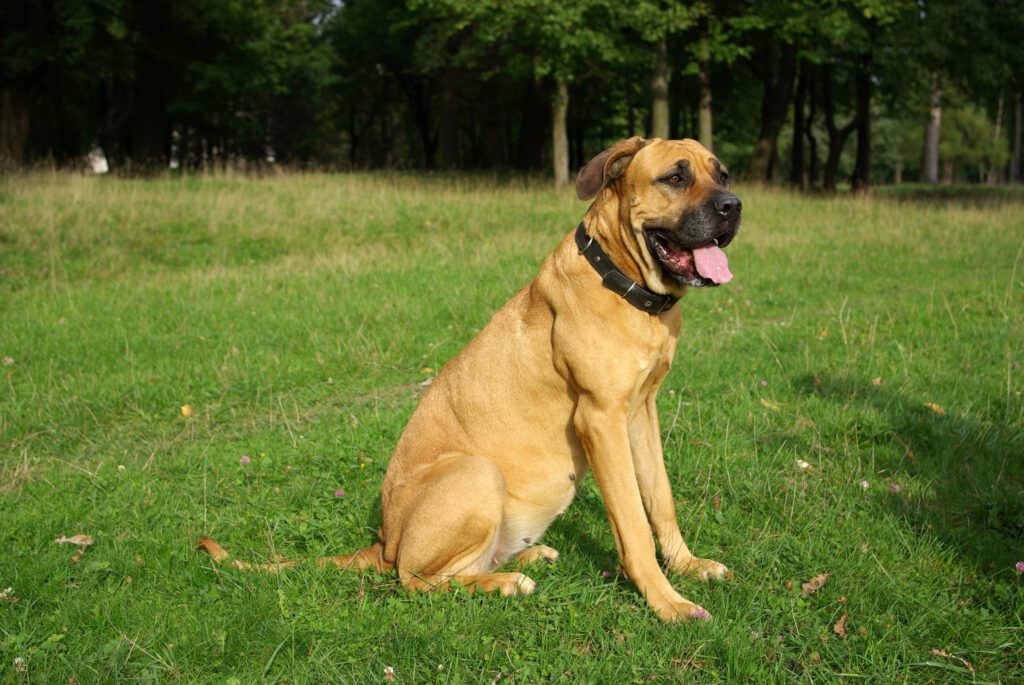
The Tosa Inu is a calm, loyal, and powerful guardian that bonds deeply with family. The breed is quiet, thoughtful, and steady, which makes daily life peaceful when training and structure are consistent. A Tosa Inu thrives with clear boundaries and patient guidance from a confident, caring owner.
Research matters before you adopt a Tosa Inu in Kansas because this is a large, athletic dog with strong instincts and significant physical strength. Adoption is preferable to buying because it gives a deserving dog a second chance, and it often includes important veterinary care that helps you start strong. Kansas offers wide open spaces and suburban yards that suit a large breed, yet the state’s hot summers and cold, windy winters require careful planning. A Tosa Inu has a short coat and needs shade, water, and rest during heat. The dog also needs a warm jacket, dry footing, and limited exposure during deep cold.
Kansas families who enjoy daily walks, structured exercise, and calm evenings at home will appreciate this breed’s gentle presence. Urban adopters can succeed with solid training, a secure fenced area, and regular mental enrichment. A Tosa Inu does best in a home that values routine, responsible socialization, and thoughtful introductions to new people and animals.
You can avoid searching rescues and shelters separately by starting with Dog Academy, where you can browse adoption listings in one place. You can also find helpful educational guides and step-by-step adoption checklists that keep you organized from application to homecoming. You can widen your search through local animal shelters, regional rescues, and breed-specific rescue groups that operate with foster homes across the Midwest.
Begin by browsing listings and reading each profile closely. Focus on age, temperament notes, medical history, and any home requirements such as a fenced yard or no small pets. When you find a match, submit an application that usually asks for personal references, veterinary history for current pets, landlord approval when you rent, and a valid photo ID. Timelines vary, but shelters often respond within a few days, and rescues commonly take about 1 to 3 weeks.
Next comes the meet-and-greet. Plan to bring all household members and resident dogs when invited, because the rescue will want to see how everyone interacts. Ask about daily routine, training progress, triggers, and any medications. Many groups complete a home check either in person or by video to confirm safe fencing, secure gates, and a calm space for decompression. Approval is followed by an adoption contract and fee payment. Pickup is scheduled, and you receive medical records and transition advice.
Transport may be offered when the dog is located far from you. Transport is often arranged by rescues to move dogs between locations using volunteer relay drivers or licensed transporters. The rescue coordinates routes, sets meeting points, confirms health requirements, and explains fees. You receive a pickup time and a checklist so arrival is smooth and safe.

|
How Much Does It Cost to Adopt a Tosa Inu in Kansas?Because the Tosa Inu is rare, fees reflect limited availability and the cost of responsible care. In Kansas, most adopters can expect about $250 to $500 for an adult, with $350 to $700 for a puppy or highly trained young adult. Seniors or dogs with special needs may be closer to $150 to $300 when groups aim to encourage placement. Fees often include spaying or neutering, vaccinations, microchipping, and veterinary exams. Age, training level, recent medical care, and demand influence price. A dog that arrives already altered, vaccinated, and microchipped costs more to prepare but saves the adopter time and risk. A dog that completes behavior work or basic obedience may carry a higher fee that reflects professional input. Emergency medical treatment, heartworm therapy, and dental care can also raise costs because rescues recoup part of those expenses to sustain operations. |
How Should I Train a Tosa Inu?The Tosa Inu is intelligent, observant, and sensitive to handler emotion. The breed learns quickly when you use clear structure, calm body language, and generous rewards. Positive reinforcement builds trust and keeps this thoughtful dog engaged. Short sessions, high-value food, and timely praise work better than long drills. Common challenges include leash pulling, impulse control around other dogs, and slow warmups with unfamiliar people. Focus on loose-leash walking, reliable recall, leave it, and a solid place cue. Add handling exercises for veterinary care, cooperative grooming, and calm crate time. Muzzle training is wise for any large guardian breed because it adds a layer of safety and confidence during stressful situations. You can build skills with Dog Academy’s online training courses, which provide step-by-step lessons you can practice at home. Socialization should be steady and thoughtful rather than rushed. Introduce new environments at a comfortable distance, and reward neutral behavior. Keep dog-to-dog interactions controlled and brief. Advocate for your dog’s space, and set clear routines so your Tosa Inu knows what to expect every day. |
|
The ideal adopter has experience with large breeds, a secure yard, and time for daily training and exercise. Families who value calm leadership and consistent rules will help this breed shine. Preparation matters, which means gathering supplies, choosing a veterinarian, and planning a slow transition at home.
Take your time, ask detailed questions, and trust the process. When you are patient and thorough, you set your future companion up for a successful start in Kansas. Begin by exploring listings through Dog Academy, then build lasting skills with Dog Academy’s online training courses. Your careful approach today creates a safe and happy partnership for years to come.
Introducing a new puppy to your current dog is often an exciting process, and many dogs will become fast friends and eas...
Read More
Rescue dogs can make great companions and can transform your home into something better. These dogs make great pets and ...
Read More
You should never rush to pet a dog. Even dog owners make the mistake of approaching unfamiliar dogs and petting them rig...
Read More
Puppy mill dogs are survivors who have endured extreme hardships in their lives. They have grown up in horrendous, unsan...
Read More
With their wagging tails and comforting presence, adopting a dog can add a unique touch to your life. It’s a heart...
Read More
Older dogs may have a few gray hairs around the edges, but that doesn’t mean they can’t make wonderful companions! T...
Read More