





































































































































































Introducing a new puppy to your current dog is often an exciting process, and many dogs will become fast friends and eas...
Read MoreAdopt Me

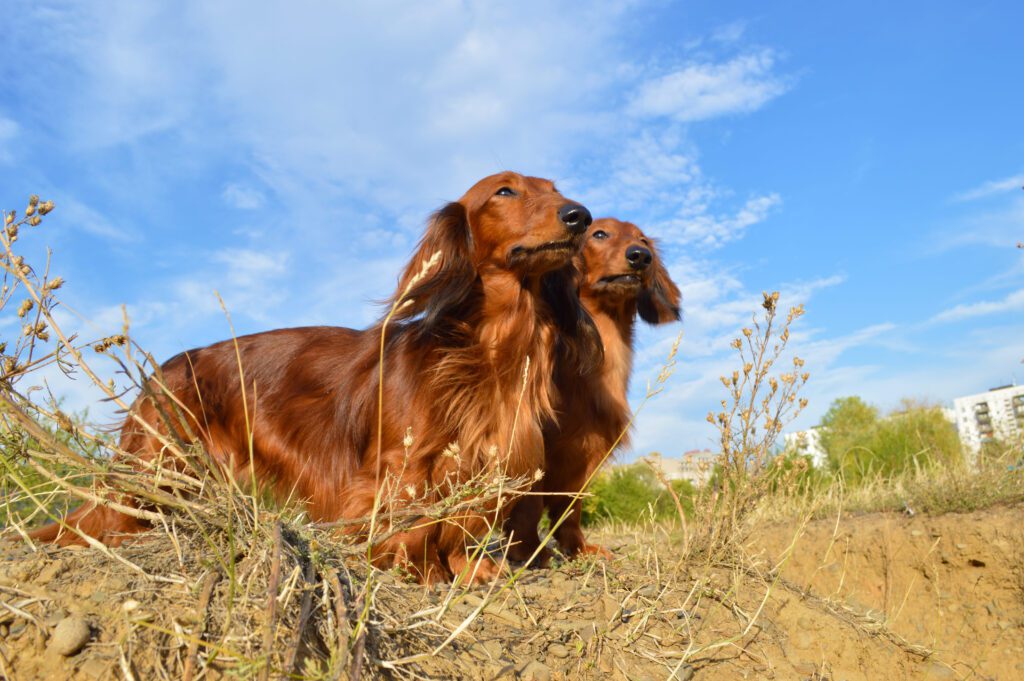


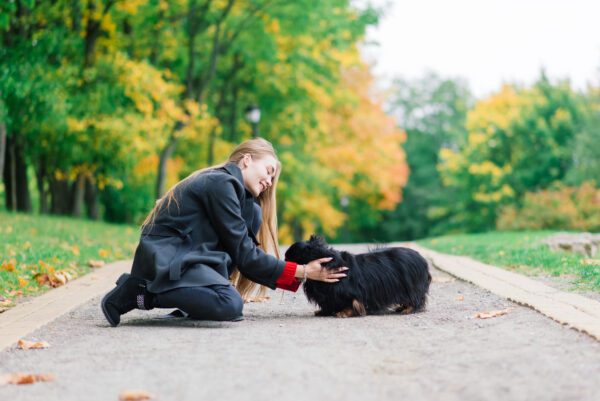
The Long-Haired Dachshund is affectionate, spirited, and charming. This small hound loves people, enjoys cozy naps, and surprises many owners with bold confidence. The flowing coat adds elegance while the compact size fits apartment life and rural living. The breed can be vocal and determined, which feels endearing with the right guidance.
Good research protects both you and the dog. Understanding grooming needs, back health, energy levels, and social habits helps you decide if this breed will thrive in your home. Adoption gives a deserving dog a second chance and often provides transparent history and support. Adopting a Long-Haired Dachshund in Kansas also helps local shelters and rescues open space for the next dog in need.
Kansas brings hot summers, windy plains, and cold winters with ice and snow. The long coat offers light insulation but still needs protection from heat and cold. Short legs pick up burrs in tall prairie grass and can collect snowballs, which calls for regular coat care. The breed suits Kansas families who enjoy short walks, indoor play, and calm evenings. The breed also fits active owners who plan safe exercise on level ground and limit stairs to protect the spine.
You can skip searching shelters and rescues one by one by starting with Dog Academy. You can browse current adoption listings, filter for breed and location, and follow clear steps to apply. You can also use Dog Academy’s educational guides and adoption checklists to prepare your home and plan your first weeks with your new dog.
In Kansas, adoptable Long-Haired Dachshunds appear through local animal shelters, regional rescues, and breed-specific rescue groups. Availability changes weekly. Start by browsing listings, read each profile carefully, and note details about age, temperament, and medical history. A thoughtful match is more important than speed.
The next step is an application. Most groups ask for personal information, landlord approval when you rent, and veterinary references when you have or had pets. Clear and complete answers help coordinators understand your lifestyle and expectations. Many groups schedule a phone interview to confirm fit and to explain the next steps.
Meet-and-greets allow you to observe behavior in a low-stress setting. Bring all household members to see how the dog responds to adults, kids, and other pets. Some groups complete a home check to confirm safety, secure fencing, and a plan for stairs or ramps. A home check can be in person or virtual through a video call. Approval timelines vary by group and by volume of applications. Expect about 1 to 3 weeks from application to decision when you respond quickly to messages and provide documents on time.
Transport can expand your options when a good match lives outside your city. Transport is often arranged by rescues to move dogs between states using volunteer drivers or licensed pet transporters. Coordinators explain pickup points, schedules, fees if any, and required health paperwork, which helps you prepare with confidence.

|
How Much Does It Cost to Adopt a Long-Haired Dachshund in Kansas?In Kansas, typical adoption fees for a Long-Haired Dachshund range from $150 to $400 at municipal or county shelters and from $300 to $600 at breed-focused rescues. The longer coat and high demand for this variety can place dogs toward the top of each range. Puppies usually cost more than adults, and seniors often cost less. Fees reflect care already provided. Most groups include spaying or neutering, vaccinations, microchipping, and veterinary exams. Prices can rise when a dog receives dental cleanings, advanced diagnostics, or training support. Demand, age, and behavior also affect costs. Fees help offset medical bills and allow organizations to continue lifesaving work. |
How Should I Train a Long-Haired Dachshund?Long-Haired Dachshunds are bright and curious. They learn quickly when training feels fun and rewarding. The breed is a scent-driven hound that can be independent, which means short sessions with high-value rewards work best. Positive reinforcement builds trust and motivates reliable responses. Common challenges include barking at sounds, pulling toward scents, and slow progress with house training. Prevent back strain by teaching cues for safe stairs, ramps, and gentle handling. Focus on calm greetings, leash skills, and recall with a long line in secure areas. Offer daily mental work through nose games and food puzzles. For step-by-step guidance, explore Dog Academy’s online training courses, which offer clear lessons for house training, loose-leash walking, impulse control, and enrichment tailored to small hounds. |

|
This breed suits patient owners who enjoy daily brushing, short walks, and indoor play. Ideal adopters plan back-safe living with ramps, non-slip rugs, and careful stair use. The right match thrives with structure, gentle training, and time with family. The breed can fit apartments or homes with yards when exercise and mental engagement stay consistent.
Prepare your home, set a realistic budget, and learn the breed’s needs before you apply. Take time to ask questions and to meet more than one dog. When you feel ready, start with Dog Academy to browse listings, compare options, and move forward with a well-informed plan. Patience leads to a confident adoption and to a happy life with your new long-coated companion.

Introducing a new puppy to your current dog is often an exciting process, and many dogs will become fast friends and eas...
Read More
Rescue dogs can make great companions and can transform your home into something better. These dogs make great pets and ...
Read More
You should never rush to pet a dog. Even dog owners make the mistake of approaching unfamiliar dogs and petting them rig...
Read More
Puppy mill dogs are survivors who have endured extreme hardships in their lives. They have grown up in horrendous, unsan...
Read More
With their wagging tails and comforting presence, adopting a dog can add a unique touch to your life. It’s a heart...
Read More
Older dogs may have a few gray hairs around the edges, but that doesn’t mean they can’t make wonderful companions! T...
Read More