


























































































































































































Introducing a new puppy to your current dog is often an exciting process, and many dogs will become fast friends and eas...
Read MoreAdopt Me




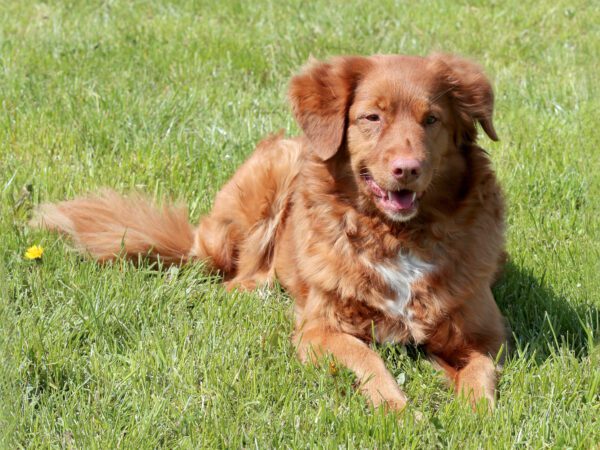
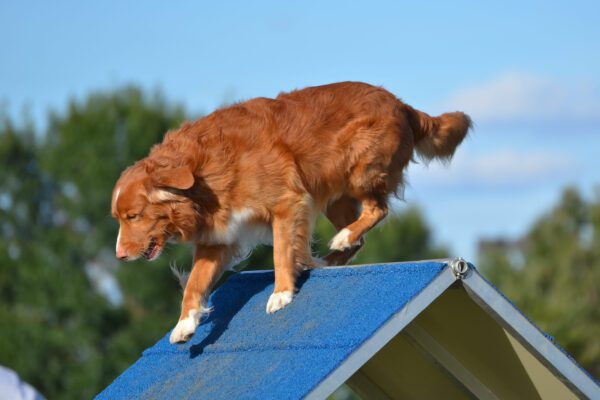
The Nova Scotia Duck Tolling Retriever is a bright, athletic, and affectionate companion. This medium‑sized retriever loves to work, play fetch, and splash in the water. Tollers bond closely with their families, enjoy training, and thrive when they have a job that engages their mind and body.
Thoughtful research helps you match a dog’s needs with your lifestyle. Tollers shed, vocalize when excited, and need daily exercise along with mental enrichment. Adoption is a compassionate choice because it gives a dog a second chance, supports lifesaving work, and often includes essential veterinary care that sets your new companion up for success.
Kansas can suit a Toller well. The state offers open prairies, neighborhood trails, and reservoirs where retrieving games and hikes are possible. The double coat helps in cold, windy winters, but summer heat calls for early or late exercise, shade, and plenty of water. Rural properties need secure fencing to manage prey drive, while city living requires structured walks and indoor enrichment to keep energy in check.
You can avoid searching rescues and shelters one by one by starting with Dog Academy. The adoption listings make it easy to browse Tollers and Toller mixes from local animal shelters, regional rescues, and breed‑focused groups. Dog Academy also offers educational guides and adoption checklists that help you prepare your home, schedule your first vet visit, and plan the first week.
Begin by browsing available profiles. Read each bio carefully to learn about energy level, experience with children, comfort around other pets, and any medical notes. When a dog seems like a match, submit an application that explains your routine, training plans, and housing details. Most groups request references, proof of address, and landlord approval when relevant. Clear and complete information speeds up review.
After your application is approved, coordinators typically arrange a meet‑and‑greet. Bring all household members and resident dogs to confirm compatibility. Many groups conduct a home check to make sure the yard is secure, the environment is safe, and supplies are ready. Home checks can be virtual or in person, and they are focused on support and education.
Approval timelines in Kansas usually run 1 to 3 weeks, though puppies may take longer because demand is high. If your match is outside your immediate area, rescues sometimes arrange transport to move dogs between locations. Transport can involve volunteer drivers or licensed pet transport services, and adopters are often responsible for fees and pickup coordination. Dogs that cross state lines generally travel with a health certificate issued by a veterinarian.
|
How Much Does It Cost to Adopt a Nova Scotia Duck Tolling Retriever in Kansas?Most adopters in Kansas can expect to pay around $300 to $500 for an adult Toller and about $400 to $650 for a puppy. Fees tend to sit within this range because Kansas has a moderate cost of living and because breed‑focused rescues invest in medical care and training. Purebred Tollers and very young puppies often fall near the top of the range, while Toller mixes and seniors may be lower. Adoption fees usually include spaying or neutering, vaccinations, microchipping, and veterinary exams. Some groups also provide heartworm testing, deworming, flea and tick prevention, and a starter collar or ID tag. Costs may increase if the dog received specialty care, professional training, or transport. Fees help cover these services so your new dog arrives healthy and ready to join your family. |
How Should I Train a Nova Scotia Duck Tolling Retriever?Tollers are intelligent, eager, and sensitive, which makes positive reinforcement the best approach. Reward with food, toys, and play. Keep sessions short and upbeat to harness their drive without creating frustration. Teach foundation skills like sit, down, come, and settle, and add impulse control exercises such as wait at doors and leave it. Common challenges include mouthiness during play, alert barking, and chasing wildlife. Address these early with structured retrieve games, calm greeting routines, and a reliable recall. Crate training and place training help a Toller relax when guests arrive. Mental work is as important as physical exercise, so rotate puzzle feeders, scent games, and target training. If you want expert guidance at home, explore Dog Academy’s online training courses for step‑by‑step lessons tailored to energetic retrievers. |

|
The ideal Toller adopter in Kansas enjoys daily activity, values consistent training, and can provide both outdoor exercise and indoor enrichment. Preparation matters. Gather supplies, choose a veterinarian, and set a routine before your dog arrives. Take your time, ask thoughtful questions, and use trusted resources so you adopt a companion who fits your life for years to come.

Introducing a new puppy to your current dog is often an exciting process, and many dogs will become fast friends and eas...
Read More
Rescue dogs can make great companions and can transform your home into something better. These dogs make great pets and ...
Read More
You should never rush to pet a dog. Even dog owners make the mistake of approaching unfamiliar dogs and petting them rig...
Read More
Puppy mill dogs are survivors who have endured extreme hardships in their lives. They have grown up in horrendous, unsan...
Read More
With their wagging tails and comforting presence, adopting a dog can add a unique touch to your life. It’s a heart...
Read More
Older dogs may have a few gray hairs around the edges, but that doesn’t mean they can’t make wonderful companions! T...
Read More