























































































































































Introducing a new puppy to your current dog is often an exciting process, and many dogs will become fast friends and eas...
Read MoreAdopt Me

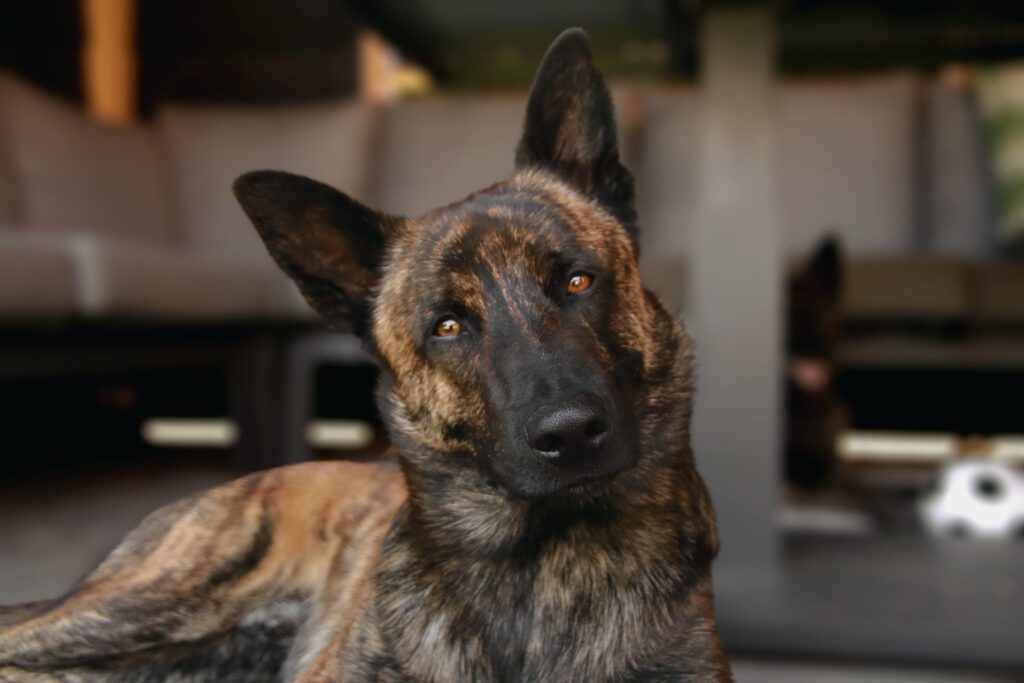
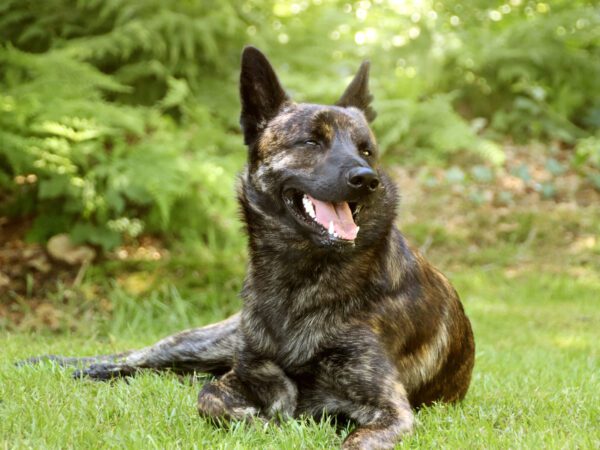
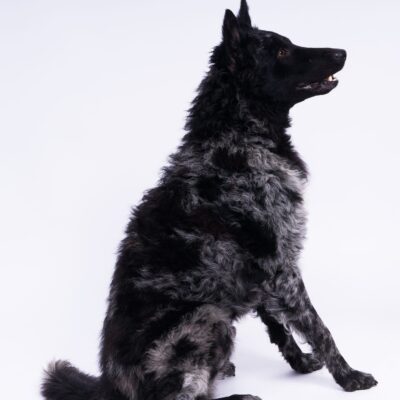
The Dutch Shepherd is an agile, intelligent, and loyal working dog that thrives with structure and purpose. This breed bonds closely with its family, learns quickly, and enjoys problem solving. Careful research matters because a high-drive herding dog needs daily exercise, mental work, and consistent training to stay balanced and happy.
Adoption gives a deserving dog a second chance while providing you with a companion that has already received essential care. Adoption also helps reduce irresponsible breeding and supports humane care within your community. Dutch Shepherds carry strong herding and protection instincts, so planning before adoption sets you and your dog up for success.
Kansas offers wide-open spaces, suburban neighborhoods, and active rural communities. The plains climate brings hot summers, cold winters, and strong winds. A Dutch Shepherd’s weather-resistant coat handles cold fairly well, yet summer heat demands shade, water, and rest during midday. This breed suits active Kansans who enjoy hiking, running, yard play, and structured training. City living can also work when you commit to daily exercise and enrichment.
You can avoid searching rescues and shelters separately by using Dog Academy. The adoption listings gather dogs from local animal shelters, regional rescues, and breed-specific rescue groups so you can browse in one place. Dog Academy also provides educational guides and adoption checklists to help you prepare with confidence.
Start by browsing available Dutch Shepherds and Dutch Shepherd mixes. Read each profile closely and note age, behavior needs, energy level, and any training history. When a dog looks like a match, submit an application that shares your lifestyle, schedule, yard details, and veterinarian information. Many groups request landlord approval if you rent, as well as personal references.
If your application moves forward, you schedule a meet-and-greet. This meeting helps you confirm temperament, energy level, and compatibility with children or other pets. Many groups complete a home check. A home check confirms safe fencing, secure gates, and appropriate spaces for rest and enrichment. Some groups conduct virtual checks using video calls when an in-person visit is not possible.
After approval, you sign an adoption contract and pay the fee. Timelines vary by group and by the dog’s needs. Straightforward adoptions often finalize within 3 to 10 days. Medical treatments, behavioral evaluations, or scheduling challenges can extend this to 2 to 3 weeks. When a dog is outside your immediate area, rescues sometimes arrange transport to move dogs safely between locations. Transport is often handled by volunteers or partnered carriers that coordinate health certificates, safe crating, and scheduled handoffs.

|
How Much Does It Cost to Adopt a Dutch Shepherd in Kansas?In Kansas, adopting a Dutch Shepherd or a close mix typically costs $200 to $450. Younger dogs and purebred-confirmed dogs often sit at the higher end, while adult mixes with standard needs tend to be lower. Fees reflect the care already provided, which usually includes spaying or neutering, vaccinations, microchipping, and veterinary exams. Pricing varies with age, training, medical history, and local demand. A dog that has completed basic training or that has received specialized veterinary care may carry a higher fee. Puppies usually cost more due to preventive care and high demand. Some groups add modest costs for transport or required post-adoption training, which they explain during the approval process. |
How Should I Train a Dutch Shepherd?The Dutch Shepherd is highly intelligent and eager to work, which makes training rewarding when you provide structure and consistency. This breed responds best to positive reinforcement that uses clear cues, timely rewards, and calm guidance. Daily mental work matters as much as physical exercise, so plan puzzle feeders, scent games, and short skill sessions. Common challenges include herding behavior, motion sensitivity, and boredom that can lead to destructive habits. You can channel drive into impulse control, loose-leash walking, recalls, and place training. Aim for 10 to 15 minutes of focused practice twice a day, along with 60 to 90 minutes of exercise split between brisk walks and purposeful play. Early socialization builds confidence around people, dogs, farm animals, and new environments. For step-by-step support that fits a busy schedule, explore Dog Academy’s online training courses. The lessons show you how to teach reliable manners, build engagement, and meet a working dog’s needs with practical, game-based training. |
|
The ideal adopter enjoys an active lifestyle, values daily training, and appreciates a dog that wants a job. A fenced yard or reliable access to safe open spaces is helpful, but commitment to structured walks, enrichment, and calm household leadership matters most. Preparation sets expectations and reduces stress during the first weeks at home.
Take your time, ask clear questions, and confirm that a dog’s needs match your routine. When you are ready to adopt a Dutch Shepherd in Kansas, use Dog Academy to browse listings, learn best practices, and move through each step with confidence. A thoughtful process leads to a healthy match and a lifetime companion.

Introducing a new puppy to your current dog is often an exciting process, and many dogs will become fast friends and eas...
Read More
Rescue dogs can make great companions and can transform your home into something better. These dogs make great pets and ...
Read More
You should never rush to pet a dog. Even dog owners make the mistake of approaching unfamiliar dogs and petting them rig...
Read More
Puppy mill dogs are survivors who have endured extreme hardships in their lives. They have grown up in horrendous, unsan...
Read More
With their wagging tails and comforting presence, adopting a dog can add a unique touch to your life. It’s a heart...
Read More
Older dogs may have a few gray hairs around the edges, but that doesn’t mean they can’t make wonderful companions! T...
Read More