




























































































































































































Introducing a new puppy to your current dog is often an exciting process, and many dogs will become fast friends and eas...
Read MoreAdopt Me

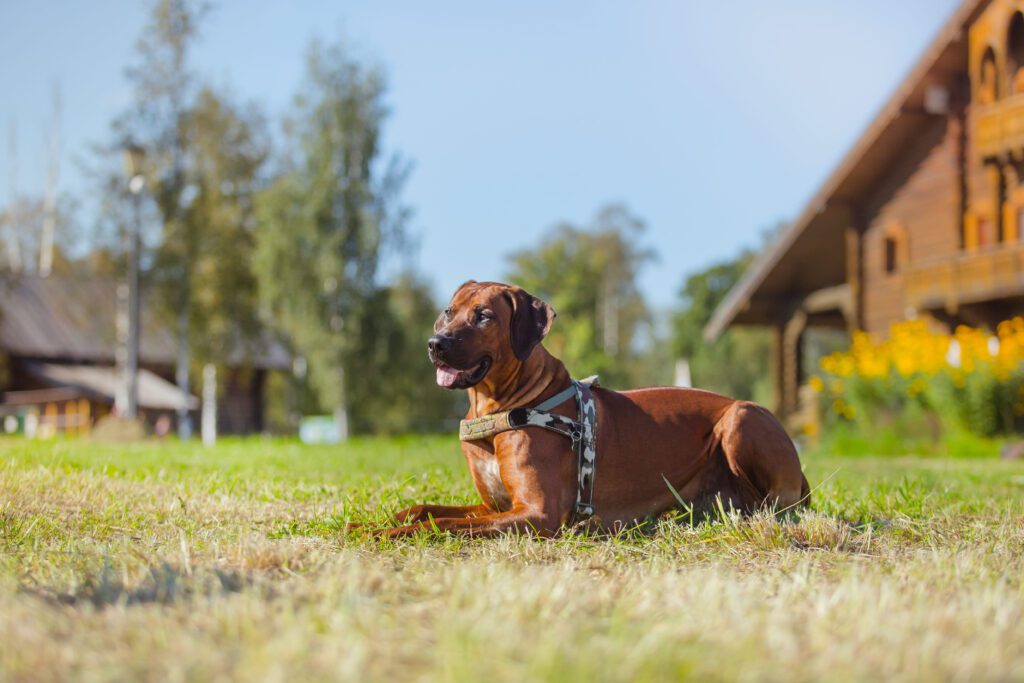



Rhodesian Ridgebacks are athletic, loyal, and deeply bonded companions. They are confident dogs with a calm demeanor at home and a strong drive to run and explore outdoors. Their short coat is low maintenance, and their affectionate nature makes them rewarding for dedicated owners who enjoy an active lifestyle.
It is important to research the breed before you adopt. Ridgebacks are independent thinkers with notable stamina and a high prey drive. They need daily exercise, thoughtful training, and clear structure. Adoption is a smart choice because it supports animal welfare, often provides insight into a dog’s temperament from foster notes, and usually includes essential veterinary care at a fair cost.
Kansas offers large open spaces, neighborhood sidewalks, and trail systems that suit a Ridgeback’s need for exercise. Summers in Kansas are hot, so you must manage heat with shade, water, and rest. Winters are cold and windy, so you should limit time outside and use a well-fitted coat for comfort. A securely fenced yard is helpful, but regular leashed walks and structured play also meet exercise needs. Apartment life can work if you commit to daily activity and mental enrichment.
You can skip the hassle of searching rescues and shelters one by one by using Dog Academy to browse current adoption listings across Kansas and nearby regions. Dog Academy also provides educational guides and adoption checklists that help you prepare your home, plan your budget, and evaluate fit before you apply.
Start your search by reviewing dogs available through local animal shelters, regional rescues, and breed-specific rescue groups. You may also find Ridgebacks or Ridgeback mixes through foster-based networks that publish detailed behavior notes and photos. Read each profile carefully to confirm age, size, temperament, exercise needs, and any special medical or training requirements.
The adoption process usually begins with browsing listings and selecting a dog that matches your lifestyle. You then submit an application that covers your household, schedule, fencing, and veterinary history. Most organizations request a reference check and proof of landlord approval if you rent. Approval timelines vary, but many decisions occur within 1 to 3 weeks depending on the dog, demand, and the speed of your responses.
After your application is reviewed, the next step is a meet-and-greet. Bring all household members and resident dogs to check compatibility. Many groups require a home check, which may be virtual or in-person, to confirm safety, secure storage of chemicals, and a plan for containment at doors and gates. Final approval includes signing an adoption agreement and paying the fee. Some groups offer a short trial period to ensure a good fit, and they remain a resource for post-adoption support.
If your ideal dog is outside your immediate area, ask about transport. Transport is often arranged by rescues to move dogs between locations using organized volunteer drivers or professional pet transport services. Transport timing depends on route availability and weather, and adopters receive clear instructions for pickup, identification, and health paperwork.

|
How Much Does It Cost to Adopt a Rhodesian Ridgeback in Kansas?In Kansas, the typical adoption fee for a Rhodesian Ridgeback ranges from $250 to $500 for most adults. Puppies or young dogs with high demand often range from $350 to $650. Breed-focused rescues that provide extensive veterinary care may be on the higher end. Costs vary based on age, training level, medical history, and how many applications a particular dog receives. Most fees help cover spaying or neutering, vaccinations, microchipping, and veterinary exams. Fees may also reflect treatment for conditions like heartworm, dental care for older dogs, and behavior support from trainers. A well-documented medical record and recent training can increase the fee, while seniors or dogs with special needs may be lower to encourage adoption. |
How Should I Train a Rhodesian Ridgeback?Ridgebacks are intelligent and capable, yet they are also independent. They learn quickly when training is consistent and rewarding. Short sessions that focus on engagement and choice work best. Use high-value treats, clear markers, and calm praise to reinforce desired behaviors. Harsh methods damage trust and reduce motivation. Focus early on reliable recall, leash manners, and impulse control. A sighthound heritage means a strong chase instinct, so you must practice recall on a long line and avoid off-leash areas without secure fencing. Teach cues for settle, leave it, and wait to build self-control. Provide daily mental enrichment with scent games, food puzzles, and structured play to reduce boredom and prevent nuisance behaviors. For step-by-step help, enroll in Dog Academy’s online training courses. You will find guided lessons for foundation skills, loose-leash walking, recall training, crate comfort, and confidence building. Courses include practical troubleshooting that fits busy Kansas schedules and seasonal weather. |

|
The ideal Ridgeback adopter enjoys daily activity, values structure, and has time for consistent training. A secure yard or a reliable walking routine helps meet exercise needs. Families who want a steady companion at home and an energetic partner for hikes or runs often love this breed.
Preparation leads to success. Study the breed, gather supplies, and plan for training and veterinary care. Take your time, ask thoughtful questions, and choose a dog whose energy and temperament match your lifestyle. When you are ready to adopt a Rhodesian Ridgeback in Kansas, use Dog Academy’s tools to find a great match and start your new life together with confidence.

Introducing a new puppy to your current dog is often an exciting process, and many dogs will become fast friends and eas...
Read More
Rescue dogs can make great companions and can transform your home into something better. These dogs make great pets and ...
Read More
You should never rush to pet a dog. Even dog owners make the mistake of approaching unfamiliar dogs and petting them rig...
Read More
Puppy mill dogs are survivors who have endured extreme hardships in their lives. They have grown up in horrendous, unsan...
Read More
With their wagging tails and comforting presence, adopting a dog can add a unique touch to your life. It’s a heart...
Read More
Older dogs may have a few gray hairs around the edges, but that doesn’t mean they can’t make wonderful companions! T...
Read More