




























































































































































































Introducing a new puppy to your current dog is often an exciting process, and many dogs will become fast friends and eas...
Read MoreAdopt Me

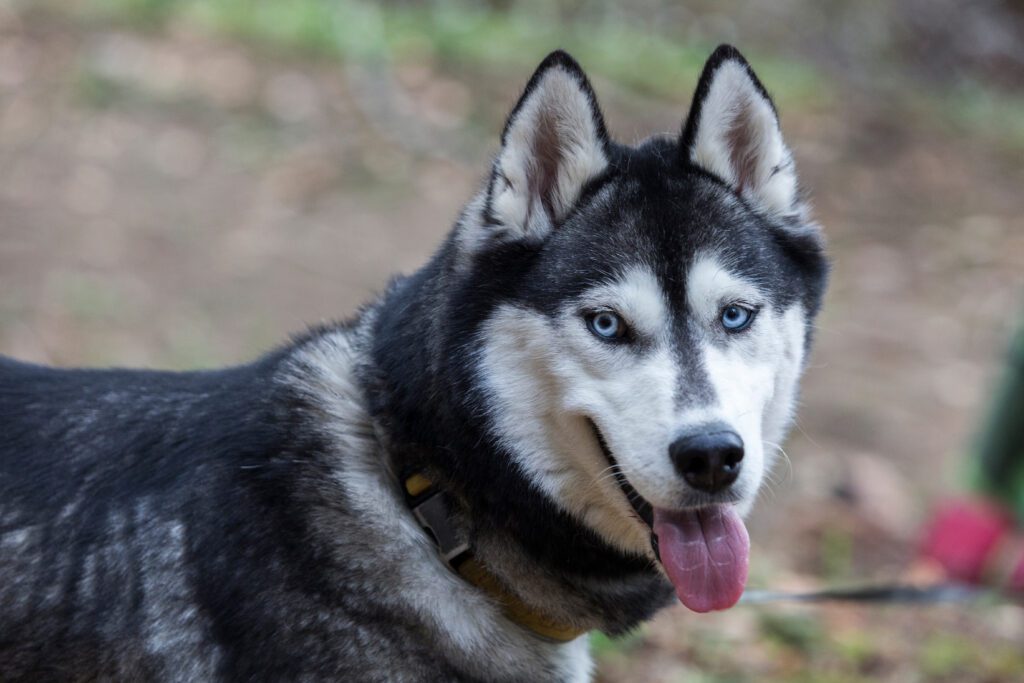
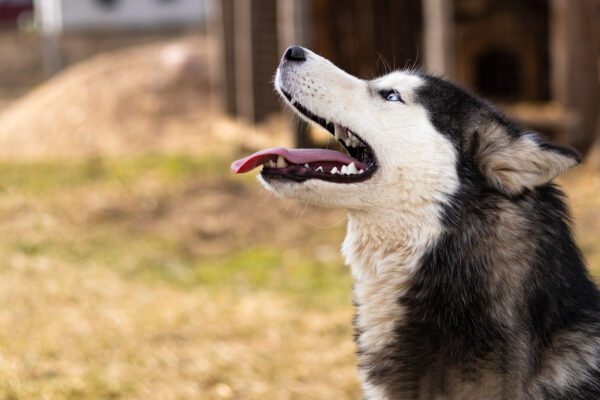
The Alaskan Husky is energetic, athletic, and social. This working dog thrives on running, pulling, and problem-solving. Many families love the breed for its friendly nature and striking looks, but the true appeal is endurance and spirit. Careful research before adoption helps you match this high-drive dog with a home that understands daily exercise, mental enrichment, and secure management.
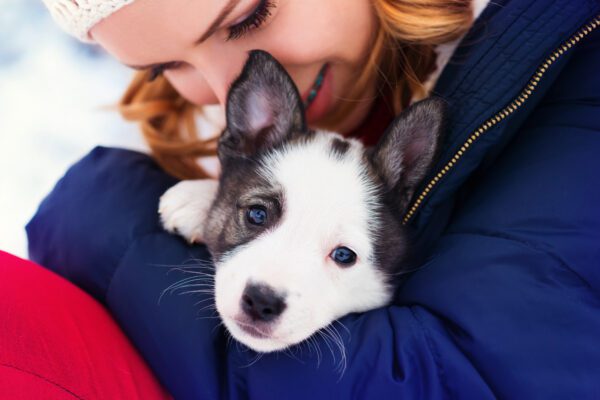
Adoption gives a dog a second chance and supports ethical rehoming. When you adopt, you often receive a dog that has been evaluated and prepared for life in a home. You also help reduce overcrowding in shelters. Buying focuses on appearance and pedigree, while adoption focuses on welfare and fit. Choosing adoption is a compassionate and practical path that can deliver a well-matched companion.
Kansas offers open spaces, active communities, and four distinct seasons. Cold winters suit an Alaskan Husky’s dense double coat. Hot and humid summer days require careful planning, shade, and steady hydration. Flat prairies and suburban neighborhoods can work well if you provide daily running, structured play, and secure fencing. City living can work if you commit to long walks, jogs, and puzzle-based enrichment. With planning, the Kansas climate and geography can support a healthy, happy Alaskan Husky.
You can avoid searching rescues and shelters one by one by using Dog Academy to browse adoption listings in one place. Dog Academy also offers educational guides and adoption checklists that explain how to evaluate a dog’s temperament, prepare your home, and plan your first week together. This saves time and helps you move through the process with confidence.
In Kansas, you can find adoptable Alaskan Huskies and husky mixes through local animal shelters, regional rescues, breed-specific rescue groups, and foster networks. Start by browsing listings, reading full profiles, and noting age, size, energy level, and known behavior history. Focus on dogs whose activity needs and living requirements match your daily routine and housing rules.
Most organizations use an application that asks about your schedule, experience, housing, fencing, and veterinary history. Be thorough and honest so the placement team can match you well. After the application review, you may be invited to a meet-and-greet to see how the dog responds to you and any resident pets. Some groups offer multiple meetings to confirm fit. Many programs conduct home checks, which can be virtual or in-person, to discuss safety, yard security, and indoor setup. Approval timelines in Kansas usually range from 3 to 14 days, depending on reference checks and volunteer availability.
If your best match is outside your immediate area, ask about transport. Transport is often arranged by rescues to move dogs between states or between shelters and foster homes. Dogs usually travel by ground with scheduled rest stops, and adopters may pay a modest transport fee to cover fuel, supplies, and a health certificate. Coordinators explain pickup locations, timing, and any follow-up veterinary requirements so the arrival is smooth and safe.
|
How Much Does It Cost to Adopt a Alaskan Husky in Kansas?In Kansas, adoption fees for an Alaskan Husky or a husky mix typically range from $200 to $450 for most adult dogs. Puppies and high-demand young adults often range from $350 to $600 due to higher veterinary costs and strong interest. Fees in Kansas tend to be moderate because local costs are balanced against the comprehensive care that responsible groups provide. Fees usually include spaying or neutering, vaccinations, microchipping, and veterinary exams. Costs can increase when a dog receives dental work, orthopedic care, or professional training. Age, training, medical care, and demand affect pricing. Some groups add transport fees when moving a dog from another region, which helps cover safe travel and required health documentation. |
How Should I Train a Alaskan Husky?The Alaskan Husky is intelligent, driven, and independent. Training succeeds when you pair clear structure with frequent exercise. Positive reinforcement builds trust and motivation. Use high-value rewards, short sessions, and consistent cues. Focus on impulse control, engagement, and calm settling so your dog can relax after exercise. Common challenges include pulling on leash, unreliable recall, and a strong prey drive. Teach loose-leash walking with frequent reinforcement for a slack lead and reward check-ins every few steps. Build recall with long lines, safe fields, and irresistible rewards so success becomes a habit. Channel drive through structured running, brisk hikes, flirt-pole play, and puzzle feeders. A bored Alaskan Husky will invent jobs that you may not enjoy, which is why daily physical and mental work is essential. Early socialization and thoughtful management prevent problems. Provide a secure fence, supervise outdoor time, and offer chew outlets to protect your home and satisfy natural needs. For guided help, explore Dog Academy’s online training courses, which teach step-by-step skills for manners, leash work, recall, crate comfort, and enrichment tailored to active breeds. |
|
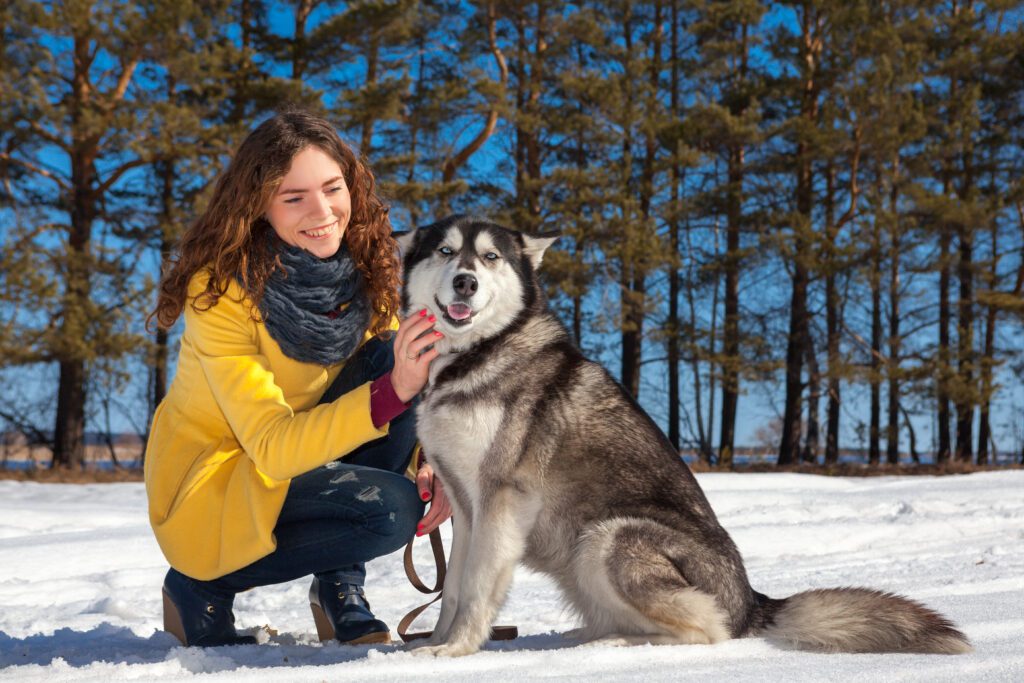
The ideal adopter enjoys an active lifestyle, values routine, and provides daily exercise, firm boundaries, and patient training. A home with a secure yard works well, and an apartment can work if you commit to multiple long outings each day. Families who plan for heat management in summer and who embrace winter activity usually see the best results.
Take your time, ask clear questions, and prepare your home before adoption. When you research the breed, set up supplies, and map out a training plan, you set your new dog up for success. With care, patience, and consistency, you can adopt an Alaskan Husky in Kansas and build a lasting partnership that fits your life on the Plains.

Introducing a new puppy to your current dog is often an exciting process, and many dogs will become fast friends and eas...
Read More
Rescue dogs can make great companions and can transform your home into something better. These dogs make great pets and ...
Read More
You should never rush to pet a dog. Even dog owners make the mistake of approaching unfamiliar dogs and petting them rig...
Read More
Puppy mill dogs are survivors who have endured extreme hardships in their lives. They have grown up in horrendous, unsan...
Read More
With their wagging tails and comforting presence, adopting a dog can add a unique touch to your life. It’s a heart...
Read More
Older dogs may have a few gray hairs around the edges, but that doesn’t mean they can’t make wonderful companions! T...
Read More