


























































































































































































Introducing a new puppy to your current dog is often an exciting process, and many dogs will become fast friends and eas...
Read MoreAdopt Me

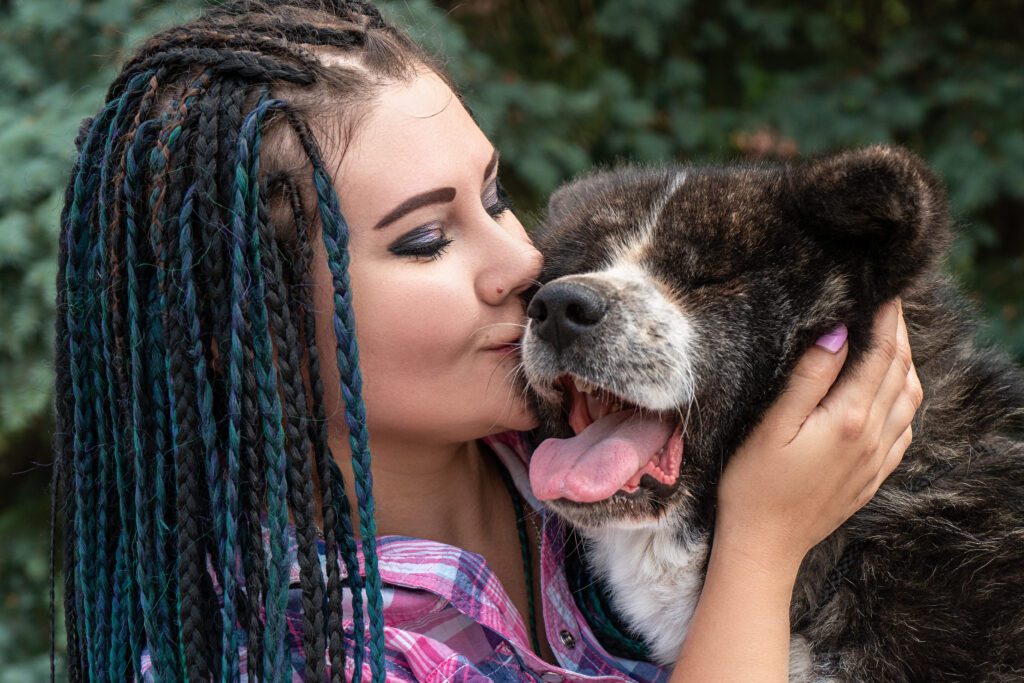

An Akita is a dignified, loyal, and confident guardian that bonds deeply with family. The breed is quiet and clean, yet powerful and independent, which makes early training and structure important. If you want a steady companion that enjoys calm routines and purposeful activity, an Akita can be a rewarding match.
Adopting is the best way to welcome this breed. Adoption gives a dog a second chance, supports responsible animal welfare, and helps you learn about a dog’s history before you bring the dog home. Careful research matters because Akitas are large, strong, and naturally reserved with strangers, and they need clear guidance to thrive.
Kansas offers wide-open spaces and four distinct seasons. Hot, humid summers require careful heat management for a thick-coated breed. Cold, windy winters suit the Akita’s dense double coat, though paws still need protection on ice. Suburban homes with secure fencing or rural properties can fit well, while apartments in busy cities can work only if you commit to daily exercise, mental enrichment, and strict leash manners.
You can avoid searching rescues and shelters separately by using Dog Academy’s adoption listings. Browse available Akitas and start the process through Dog Academy, where you also find clear educational guides and adoption checklists that keep you organized from application to homecoming.
In Kansas, adoptable Akitas appear in local animal shelters, regional rescues, and breed-specific rescue groups. Begin by browsing listings, reading each dog’s profile, and noting details about temperament, medical history, and ideal home. Submitting an application typically includes personal references, proof of housing, and landlord permission when you rent. Many groups schedule a phone interview to learn about your experience and your daily routine.
Next come meet-and-greets. You meet the dog at a shelter, foster home, or neutral location, and you may schedule several visits to confirm the fit. If you have resident pets, organizers often request a slow, supervised introduction. Home checks are common and can be virtual or in person, which helps ensure secure fencing, safe storage of chemicals, and a quiet rest area for the dog. Approval timelines vary by group and by season, and most applications move from submission to decision within 1 to 3 weeks.
Some rescues coordinate transport when the right dog is outside your area. Transport is often arranged by rescues to move dogs between states or between cities, using scheduled trips with trained drivers. You may pay a modest transport fee, and the dog may travel with a health certificate for safety and compliance.

|
How Much Does It Cost to Adopt a Akita in Kansas?In Kansas, the typical adoption fee for an adult Akita ranges from $250 to $450. Young adults and puppies placed through breed-focused rescues usually range from $350 to $600, which reflects higher veterinary costs and demand for younger dogs. Fees often include spaying or neutering, vaccinations, microchipping, and veterinary exams. Age, training, medical care, and demand all affect price. Dogs that arrive already house-trained, leash-trained, or crate-trained may carry higher fees. Recent medical procedures, such as dental cleanings or orthopedic care, can increase costs. Lower demand for seniors can reduce fees, while higher demand for well-socialized young adults can raise them. |
How Should I Train a Akita?The Akita is intelligent and capable, yet independent. Training works best when you use calm leadership, consistent rules, and clear rewards. Short, focused sessions build engagement without overwhelming the dog, and daily practice cements good habits in real-life settings. Positive reinforcement is essential. Reward eye contact, loose-leash walking, impulse control, and reliable recalls with food, toys, or access to valued activities. Early socialization to people and controlled dog encounters builds confidence while keeping safety first. Many Akitas are selective with unfamiliar dogs, so you should supervise interactions, use sturdy leashes, and prioritize neutrality over forced play. Teach foundation skills such as sit, down, stay, place, and leave it, and add structured enrichment like scent games and problem-solving tasks. For step-by-step guidance that suits busy Kansas schedules, explore Dog Academy’s online training courses, which cover obedience, leash skills, crate routines, and behavior troubleshooting with clear, practical lessons. |
|
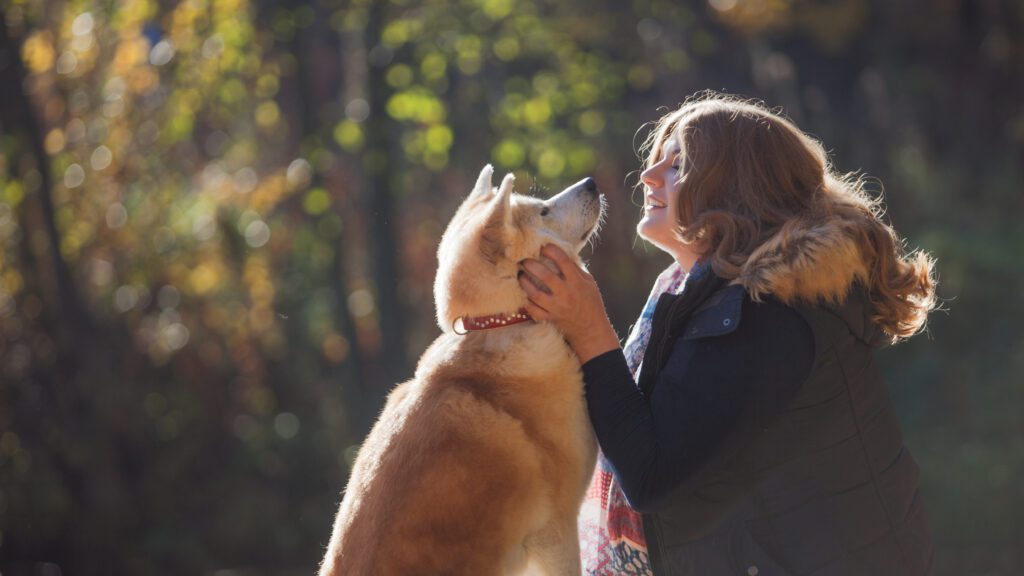
The ideal adopter for a Akita is patient, consistent, and ready to provide daily structure. A secure yard, committed leash walking, and steady mental enrichment matter more than endless miles of running. Regular grooming keeps the double coat healthy, and seasonal shedding requires weekly brushing and strong vacuuming habits.
Preparation makes adoption smooth. Gather supplies, schedule a veterinary checkup, and plan your first 2 weeks with quiet routines and limited visitors. Take the time to research, ask questions, and meet several candidates until the fit feels right. When you are ready to adopt a Akita in Kansas, use Dog Academy to find a well-matched companion and to learn the skills that help your new dog settle in with confidence.

Introducing a new puppy to your current dog is often an exciting process, and many dogs will become fast friends and eas...
Read More
Rescue dogs can make great companions and can transform your home into something better. These dogs make great pets and ...
Read More
You should never rush to pet a dog. Even dog owners make the mistake of approaching unfamiliar dogs and petting them rig...
Read More
Puppy mill dogs are survivors who have endured extreme hardships in their lives. They have grown up in horrendous, unsan...
Read More
With their wagging tails and comforting presence, adopting a dog can add a unique touch to your life. It’s a heart...
Read More
Older dogs may have a few gray hairs around the edges, but that doesn’t mean they can’t make wonderful companions! T...
Read More