
























































































































































































Introducing a new puppy to your current dog is often an exciting process, and many dogs will become fast friends and eas...
Read MoreAdopt Me

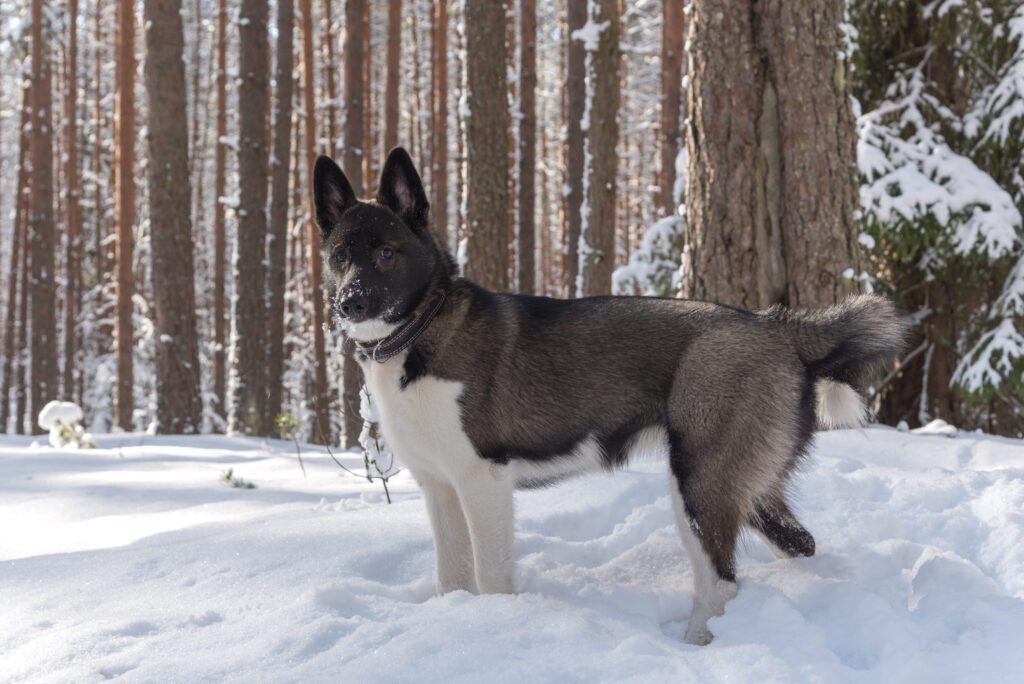
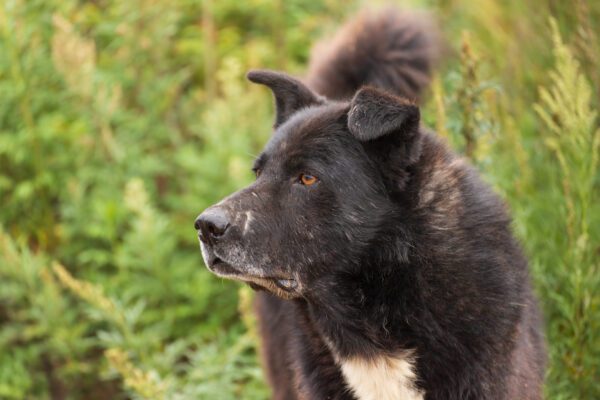
The Karelian Bear Dog is bold, athletic, and deeply loyal. This confident hunter has a sharp nose, high stamina, and a strong guarding instinct. With the right guidance, the breed becomes a devoted companion that thrives on daily work and clear structure. The result is a vigilant family dog that bonds closely and enjoys purposeful activity.
Research matters before you adopt. A Karelian Bear Dog has intense prey drive and independent decision making. This dog needs consistent training, secure containment, and steady mental stimulation. Adoption is often preferable to buying because you gain insight into the dog’s temperament, health, and history, and you help a dog in need find a stable home.
Kansas offers big skies, open fields, and long trails that suit a high-energy working dog. Winters are cold and windy, which matches the thick double coat of a Karelian Bear Dog. Summers are hot and humid in many regions, so you must plan shade, cool water, and activity during morning or evening hours. Urban areas in Kansas can also work when you commit to daily exercise, leash management, and enrichment that respects the breed’s strong chase instincts.
You can skip searching shelters and rescues one by one by browsing adoption listings through Dog Academy. The listings gather dogs from local animal shelters, regional rescues, and breed-specific rescue groups so you can compare options in one place. Dog Academy also provides educational guides and adoption checklists that help you prepare before you apply.
Start by reviewing available profiles and reading each description carefully. Note age, energy level, training history, and any behavior notes such as reactivity around small animals. Contact the listing organization to confirm availability and to ask about the dog’s daily routine, medical records, and preferred home environment. Understanding the needs of a Karelian Bear Dog helps you focus on dogs that fit your lifestyle and property.
Next, submit an application. Most groups ask for personal references, veterinary references, and proof of landlord approval if you rent. Applications are followed by a phone interview that explores your schedule, experience with working breeds, and plans for training and containment. Timelines vary, but approvals in Kansas often take 3 to 14 days depending on volunteer capacity and the number of applicants.
After initial approval, you schedule a meet-and-greet. Many groups require all household members and resident dogs to attend. Some organizations conduct a home check in person or by video. Home checks verify secure fencing, safe storage of chemicals, and a plan to manage introductions with other pets. When everyone agrees it is a match, you complete the contract, pay the adoption fee, and schedule pickup. Some groups offer a short trial period called foster to adopt, which allows you to confirm the match while the rescue remains a support partner.
If the right Karelian Bear Dog is located outside your city, ask about transport. Transport is often arranged by rescues to move dogs between states or regions when a suitable home is available. Groups may use volunteer drivers or professional carriers, and they coordinate set pickup locations and dates while ensuring the dog travels safely with proper identification.
|
How Much Does It Cost to Adopt a Karelian Bear Dog in Kansas?In Kansas, the typical adoption fee for a Karelian Bear Dog ranges from $250 to $500. This narrow estimate reflects a moderate cost of living and the breed’s rarity, which can raise fees slightly when demand is high. Age, training, medical history, and the length of time in care also influence pricing. Puppies and highly trained adults often sit at the higher end, while seniors may be lower. Adoption fees usually include spaying or neutering, vaccinations, microchipping, and veterinary exams. Fees may also reflect dental cleanings, parasite testing, or behavioral evaluations when provided. If transport is needed, some groups add a separate transport fee of about $75 to $200, which helps cover fuel, health certificates, and logistics for safe travel. |
How Should I Train a Karelian Bear Dog?The Karelian Bear Dog is intelligent and learns quickly when work feels meaningful. Focus on positive reinforcement, clear boundaries, and short, frequent sessions. Use high value rewards to build reliable recall, strong leash manners, and impulse control around wildlife and fast-moving objects. This dog excels when training mimics real life tasks, such as scent games, tracking exercises, and structured hiking with rules for check-ins. Common challenges include a powerful prey drive, barrier frustration, and selective listening in distracting environments. Prevent problems with management and training together. Use secure fencing, a long line for open spaces, and calm introductions to new people and dogs. Start socialization early and continue it thoughtfully. Teach quiet cues, stationing on a mat, and calm greetings to reduce alert barking and excitability. For step-by-step guidance you can follow at home, explore Dog Academy’s online training courses. Lessons cover obedience, loose leash walking, and recall, and they explain how to reward focus while preventing chasing and door bolting. Consistency builds confidence, and confidence builds reliability. |
|
The ideal adopter enjoys daily exercise, clear routines, and time outdoors. A secure yard, a commitment to training, and a plan for enrichment set this breed up for success. Families with dog experience or individuals who enjoy structured activities such as hiking, tracking, or scent work often find a great match with a Karelian Bear Dog.
Preparation leads to happy outcomes. Take time to research, gather supplies, and align your schedule for the first weeks at home. When you move thoughtfully and at your own pace, you give a Karelian Bear Dog the stable, active life that this remarkable breed deserves in Kansas.

Introducing a new puppy to your current dog is often an exciting process, and many dogs will become fast friends and eas...
Read More
Rescue dogs can make great companions and can transform your home into something better. These dogs make great pets and ...
Read More
You should never rush to pet a dog. Even dog owners make the mistake of approaching unfamiliar dogs and petting them rig...
Read More
Puppy mill dogs are survivors who have endured extreme hardships in their lives. They have grown up in horrendous, unsan...
Read More
With their wagging tails and comforting presence, adopting a dog can add a unique touch to your life. It’s a heart...
Read More
Older dogs may have a few gray hairs around the edges, but that doesn’t mean they can’t make wonderful companions! T...
Read More