




























































































































































































Introducing a new puppy to your current dog is often an exciting process, and many dogs will become fast friends and eas...
Read MoreAdopt Me
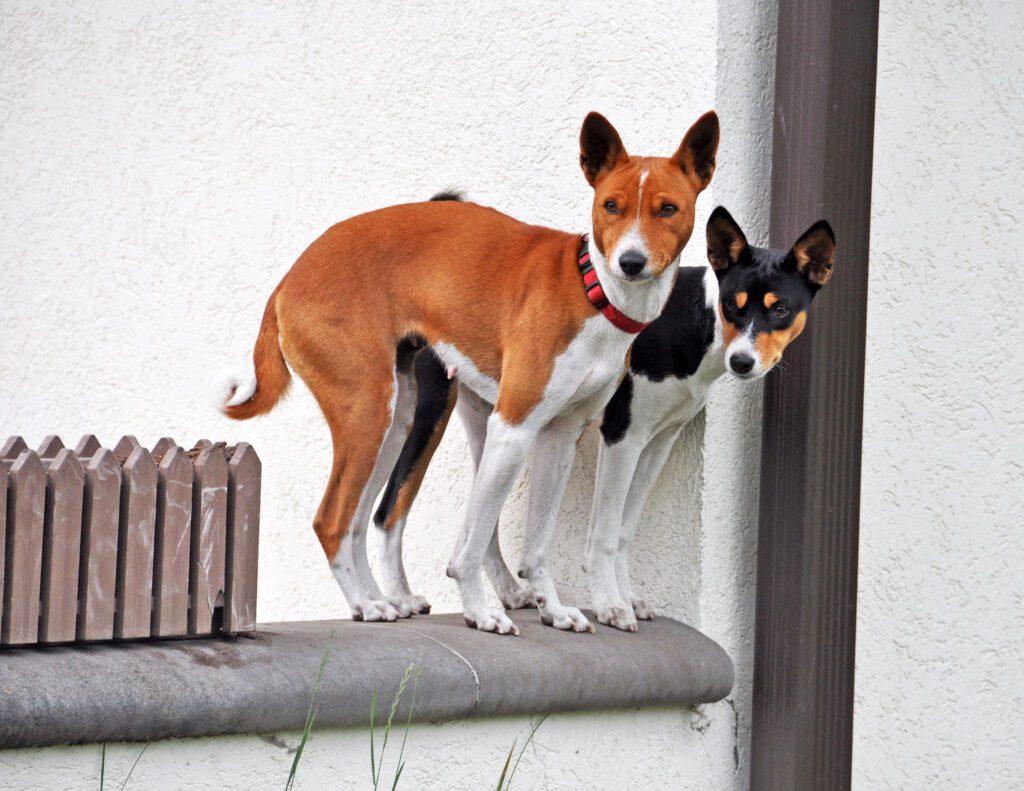
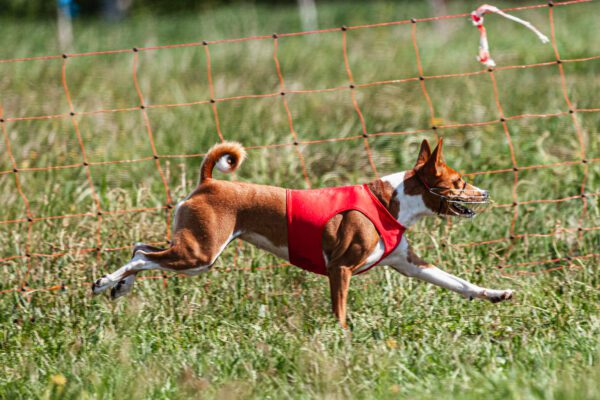
The Basenji is a clever, catlike hound that stays clean, sheds lightly, and expresses itself with a cheerful yodel instead of a bark. The breed is agile, alert, and independent. A Basenji thrives with daily activity and mental games, and it bonds closely with a patient, consistent owner. Research matters before you adopt because this breed’s independence, prey drive, and escape skills surprise many first-time owners.
Choosing to adopt a Basenji supports dogs in need and often includes helpful veterinary care at a lower cost than buying. In Kansas, adoption can be a great fit. The state offers open spaces for exercise and many dog-friendly neighborhoods. The climate can challenge a short-coated Basenji during hot summers and cold winters, so plan shade, water, and paw-safe routes in heat, and use a warm jacket and shorter outings in icy wind.
Kansas living suits active households that enjoy walks, hikes on prairie trails, and backyard play in a securely fenced yard. Apartments can also work because Basenjis are typically quiet, though they still need brisk daily exercise and enrichment. Preparation, training, and realistic expectations set the stage for a happy match.
You can skip the hassle of searching shelters and rescues one by one by using Dog Academy to browse adoption listings in one place. You can filter by location, age, and size, then read detailed profiles and next steps. Dog Academy also provides educational guides and adoption checklists to help you prepare your home and routine.
In Kansas, adoptable Basenjis appear through local animal shelters, regional rescues, and breed-specific rescue groups. Availability changes week to week, so check listings often. Listings usually include age, size, temperament notes, medical history, and any known training needs. Read each profile carefully and match energy level, prey drive, and social history to your lifestyle.
The process starts by browsing listings and submitting an application. Applications usually request household details, proof of landlord approval when you rent, veterinary references, and information about current pets. Next comes a meet-and-greet to observe how the dog interacts with you and your family. A home check often follows. Home checks can be in person or virtual and confirm safe fencing, secure gates, and a calm setup for decompression. Approval timelines vary by group and by the dog’s needs. Straightforward cases can finalize in 1 to 2 weeks. Dogs with medical or behavioral needs can take longer.
Some groups arrange transport when the ideal dog is in another city or state. Transport is often arranged by rescues to move dogs between locations using volunteer drivers or licensed carriers. The organization coordinates schedules, confirms a health certificate when required, and outlines pickup points and fees. Always confirm transport policies, costs, and arrival timelines before you commit.
|
How Much Does It Cost to Adopt a Basenji in Kansas?In Kansas, most Basenji adoption fees fall around $225 to $425 for adults and $300 to $500 for puppies. Fees reflect spaying or neutering, vaccinations, microchipping, and veterinary exams. Costs can rise if the dog received dental care, heartworm treatment, or specialized diagnostics. Some groups add a refundable training deposit or a small licensing fee. Age, training level, recent medical care, and local demand influence the final fee. Puppies and highly social adults often cost more due to higher demand. Well-mannered dogs that already live with families or other pets can also attract higher interest. If transport is used, expect an added $50 to $200 to cover fuel, health certificates, and handling. |
How Should I Train a Basenji?The Basenji is intelligent and curious, yet independent. The breed learns fast when training feels like a game. Short, upbeat sessions with high-value rewards work best. Use positive reinforcement, clear cues, and consistent routines. Avoid harsh corrections, because they break trust and reduce motivation. Focus early on leash manners, reliable recall in safe fenced areas, and impulse control around wildlife and moving objects. Crate training and house training help with structure. Daily mental work prevents boredom that can lead to door darting or creative mischief. For expert guidance, use Dog Academy’s online training courses for foundation skills, loose-leash walking, recall games, and enrichment plans tailored to independent breeds like the Basenji. |

|
The ideal Kansas adopter enjoys daily walks, patient training, and secure management. A fenced yard helps, but dedicated exercise and brain games matter more. Families with older children or adults who respect canine space usually do best with this thoughtful, sensitive hound.
Take your time, ask questions, and prepare your home before you bring your dog home. When you feel ready, start with Dog Academy listings, learn about the breed’s needs, and plan a smooth first month. A well-matched Basenji and a prepared Kansas home make a loyal, lively partnership for years to come.

Introducing a new puppy to your current dog is often an exciting process, and many dogs will become fast friends and eas...
Read More
Rescue dogs can make great companions and can transform your home into something better. These dogs make great pets and ...
Read More
You should never rush to pet a dog. Even dog owners make the mistake of approaching unfamiliar dogs and petting them rig...
Read More
Puppy mill dogs are survivors who have endured extreme hardships in their lives. They have grown up in horrendous, unsan...
Read More
With their wagging tails and comforting presence, adopting a dog can add a unique touch to your life. It’s a heart...
Read More
Older dogs may have a few gray hairs around the edges, but that doesn’t mean they can’t make wonderful companions! T...
Read More