





























































































































































































Introducing a new puppy to your current dog is often an exciting process, and many dogs will become fast friends and eas...
Read MoreAdopt Me

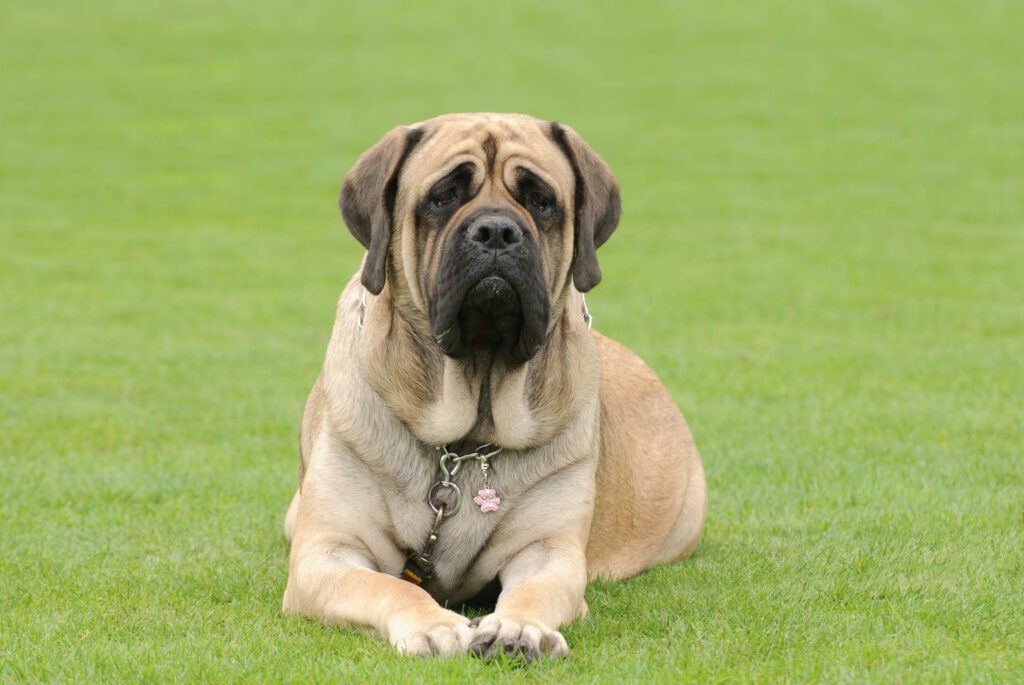



The English Mastiff is a calm, loyal, and affectionate guardian. This gentle giant bonds closely with family and prefers a quiet, steady routine. The breed is large, strong, and sensitive, which means thoughtful training and structure matter. Before you adopt, learn the breed’s needs and your own limits. Good preparation leads to a confident match and a happy life together.
Choosing adoption helps a dog in need and supports responsible animal welfare. Many adoptable Mastiffs are adults with known temperaments, which makes placement more predictable. District Of Columbia offers a vibrant, urban lifestyle with sidewalks, compact homes, and busy streets. The region’s hot, humid summers call for air conditioning, shaded walks, and access to cool water. Winters can be cold and icy, so plan for traction on sidewalks and shorter outdoor time.
Space can be tight in apartments or rowhouses, but an English Mastiff can still thrive with daily walks, elevator or stair comfort, and a safe place to rest. Consider your routine, your building’s pet policies, your ability to manage a very large dog in crowds, and your budget for quality food and veterinary care.
You can skip searching rescues and shelters one by one by starting with Dog Academy. The adoption listings help you browse available dogs in one place, and the site also provides educational guides and adoption checklists so you can prepare with confidence.
In District Of Columbia, you can find adoptable Mastiffs through local animal shelters, regional rescues, and breed-specific rescue groups. Many organizations place dogs in foster homes, which allows detailed notes about behavior, house manners, and compatibility with children or other pets. When you browse listings, read the full profile, watch any videos, and confirm the dog’s size, energy level, medical history, and any special needs.
The application process often asks for personal references, proof of housing, and permission for a landlord check. Some groups ask for a veterinary reference if you have had pets before. After your application review, a coordinator usually arranges a meet-and-greet. Attend with all household members so everyone can interact safely with the dog. If you have resident pets, ask how introductions will be managed and whether a neutral-location meeting is required.
Many organizations complete a home check, which can be virtual or in person. A home check confirms safe storage for food and medications, secure doors and gates, and a clear plan for exercise and rest. Timelines vary by group and by dog, though many approvals finalize within 1 to 3 weeks after a successful match. Some rescues also arrange transport to move dogs between locations when a good match is found. Transport is a coordinated trip that moves the dog safely by car or van with scheduled handoffs or with a single driver.
Breed understanding matters. An English Mastiff needs calm leadership, short daily walks, and careful management in heat. Building rules may include weight limits or elevator policies, so confirm them in writing before you apply. If you do not have a yard, plan structured walks and indoor enrichment like food puzzles to meet mental needs.

|
How Much Does It Cost to Adopt a English Mastiff in District Of Columbia?Expect most adoption fees in District Of Columbia to fall between $300 and $650 for an English Mastiff. Fees vary by age, training, medical care, and local demand. Puppies or dogs with recent veterinary procedures typically cost more because expenses are higher. Adoption fees often include spaying or neutering, vaccinations, microchipping, and veterinary exams. Some groups also include heartworm testing and a starter supply of preventatives. If the dog received specialized care such as entropion repair or treatment for orthopedic issues, the fee may be at the top of the range. Budget for supplies, licensing, and initial training after adoption. |
How Should I Train a English Mastiff?An English Mastiff is intelligent, observant, and sometimes independent. The breed responds best to patient instruction, clear routines, and high-value rewards. Use positive reinforcement to mark the exact behavior you want and to build trust. Keep sessions short and calm. This avoids overexcitement and supports steady progress. Focus early on leash skills, impulse control, and polite greetings. Teach sit, down, stay, leave it, drop it, and settle on a mat. Reinforce loose-leash walking and calm behavior in elevators, lobbies, and crowded sidewalks. Socialize carefully with controlled exposures to new people, sounds, and surfaces. Because of the breed’s size, prevent jumping and teach a reliable recall. Crate or confinement training can help with rest and safety, as long as the space is large and comfortable. For step-by-step support, enroll in Dog Academy’s online training courses. The lessons show you how to reward good choices, reduce pulling, and manage a gentle giant in an urban setting. Training builds confidence, reduces stress, and keeps a strong dog safe. |
|
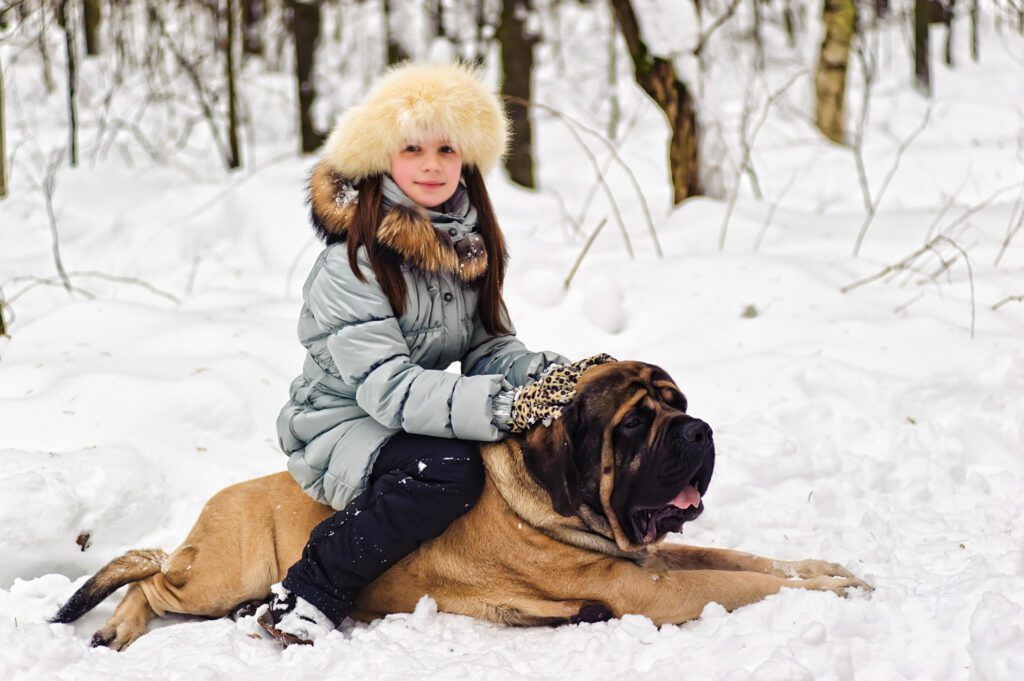
The best match is an adopter who enjoys calm companionship, can handle a very large dog, and can maintain steady routines. You should have time for daily walks, short training sessions, grooming, and regular veterinary care. You should also have a plan for hot weather and slippery winter sidewalks.
Adoption works best when you prepare before you apply. Set a budget, review your building rules, gather references, and learn the breed’s needs. Take your time, ask clear questions, and wait for the right fit. When you are ready to adopt a English Mastiff in District Of Columbia, use Dog Academy’s resources and listings to guide every step with confidence.

Introducing a new puppy to your current dog is often an exciting process, and many dogs will become fast friends and eas...
Read More
Rescue dogs can make great companions and can transform your home into something better. These dogs make great pets and ...
Read More
You should never rush to pet a dog. Even dog owners make the mistake of approaching unfamiliar dogs and petting them rig...
Read More
Puppy mill dogs are survivors who have endured extreme hardships in their lives. They have grown up in horrendous, unsan...
Read More
With their wagging tails and comforting presence, adopting a dog can add a unique touch to your life. It’s a heart...
Read More
Older dogs may have a few gray hairs around the edges, but that doesn’t mean they can’t make wonderful companions! T...
Read More