





























































































































































































Introducing a new puppy to your current dog is often an exciting process, and many dogs will become fast friends and eas...
Read MoreAdopt Me

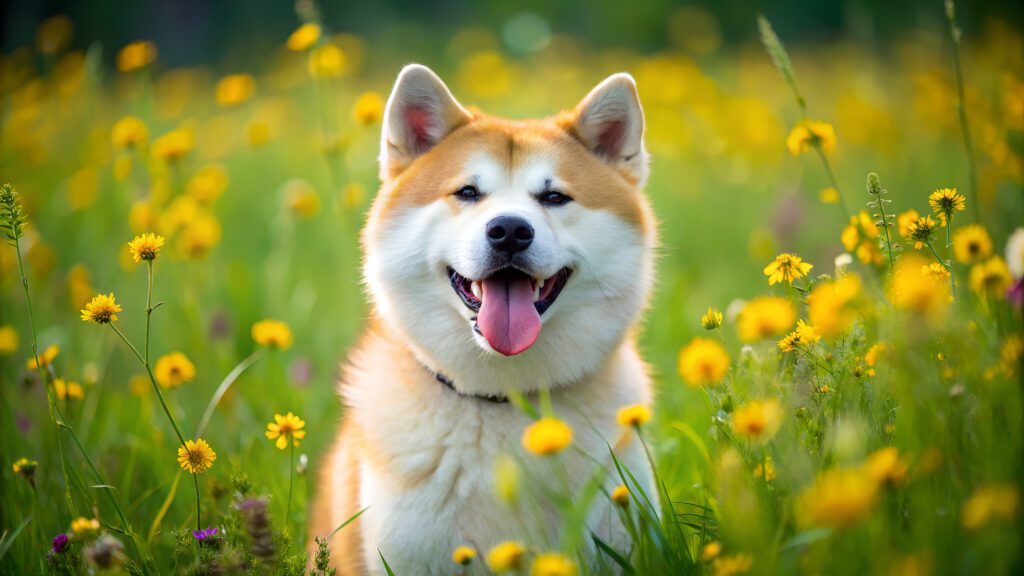



The Akita is a dignified, powerful, and deeply loyal companion that bonds closely with its family. This breed is calm and clean in the home, thoughtful in new situations, and naturally reserved with strangers. Careful socialization, patient guidance, and consistent training help an Akita become a steady, respectful partner.
Thoughtful research before adoption matters because the Akita’s size, strength, and independence require an owner who can provide structure and daily engagement. Adoption is preferable to buying because it gives a deserving dog a second chance, supports ethical rehoming, and often includes transparent health and behavior information. Many adoptable Akitas are adults whose personalities are already known, which can make matching needs and lifestyle easier.
District Of Columbia can suit an Akita when owners plan well. The breed’s thick double coat handles cold winters, while hot, humid summers require shorter mid-day outings, shaded routes, and plenty of water. Urban living means elevators, stairwells, and close quarters with neighbors, so polite leash manners and reliable impulse control are essential. Compact yards and rowhouse layouts call for daily walks, structured play, and mental enrichment to keep an Akita content and well behaved.
You can avoid searching rescues and shelters separately by using Dog Academy to browse current adoption listings in one place. Dog Academy also provides educational guides and adoption checklists that help you assess fit, prepare your home, and understand next steps before you apply.
Adoptable Akitas are commonly found through local animal shelters, regional rescues, and breed-specific rescue groups. Many organizations list dogs online and update availability frequently. Some rescues cooperate across state lines and may arrange transport to District Of Columbia, which means a dog located elsewhere can be safely moved to your area by volunteer drivers or professional carriers after approval.
The process usually begins by browsing listings and reading detailed profiles for age, temperament, energy level, size, medical needs, and ideal home type. You then submit an application that may ask about your schedule, experience with large breeds, housing, and plans for training and care. Most groups verify landlord approval if you rent and request personal or veterinary references to confirm a stable, responsible home.
After initial screening, many organizations schedule a meet-and-greet to observe chemistry with all household members and any resident pets. A home check often follows and may be completed virtually or in person to confirm safety, secure storage of food and medications, and an escape-proof entry. Timelines vary by organization, but approvals commonly take 3 to 10 days once references are complete. On adoption day you sign the contract, pay the fee, receive medical records, and arrange pickup or transport if the dog is traveling into District Of Columbia.
|
How Much Does It Cost to Adopt a Akita in District Of Columbia?In District Of Columbia, most adult Akitas are adopted for $300 to $550 through shelters and breed-focused rescues. Puppies can range from $400 to $700 due to higher demand and preventive care, while seniors may be lower at $150 to $300. Fees vary because organizations in an urban area face higher veterinary and operating costs, and individual dogs may have different medical or training needs. Adoption fees typically reflect services already provided, which often include spaying or neutering, vaccinations, microchipping, and veterinary exams. Costs also shift based on age, current training, medical treatment, and local demand for the breed. A well-vetted adult that is up to date on care and has completed basic training may sit at the higher end of the range, while a senior or a dog with sponsorship may be lower. |
How Should I Train a Akita?The Akita is intelligent and learns quickly when training is clear, consistent, and respectful. This breed values calm leadership and thrives with positive reinforcement, which means rewarding desired behavior with food, play, or affection and avoiding harsh corrections. Short, focused sessions prevent frustration and help an independent thinker remain engaged. Common training priorities include loose-leash walking, reliable recall on a long line, impulse control at doors and elevators, polite greetings, and calm behavior around other dogs. Early and ongoing socialization builds comfort with new people, city noises, and novel surfaces. Cooperative care for grooming, nail trims, and vet handling reduces stress and keeps everyone safe. If your Akita shows guarding tendencies or reactivity, create distance, reward calm choices, and increase structure while you build skills step by step. For expert guidance you can follow Dog Academy’s online training courses, which offer breed-savvy plans for manners, socialization, confidence building, and advanced obedience. These lessons help you create a predictable routine, use rewards effectively, and progress at a sustainable pace for a thoughtful, independent dog. |
|
The ideal Akita adopter is calm, consistent, and comfortable leading a large, strong breed. You should have time for daily exercise, mental enrichment, grooming, and clear household rules. A secure routine, safe management around unfamiliar dogs, and a plan for summer heat make urban life smoother for everyone.
Take your time, ask detailed questions, and choose a dog whose temperament and needs match your lifestyle. With preparation, patient training, and steady support, you can welcome a confident, devoted companion who fits beautifully into life in District Of Columbia.

Introducing a new puppy to your current dog is often an exciting process, and many dogs will become fast friends and eas...
Read More
Rescue dogs can make great companions and can transform your home into something better. These dogs make great pets and ...
Read More
You should never rush to pet a dog. Even dog owners make the mistake of approaching unfamiliar dogs and petting them rig...
Read More
Puppy mill dogs are survivors who have endured extreme hardships in their lives. They have grown up in horrendous, unsan...
Read More
With their wagging tails and comforting presence, adopting a dog can add a unique touch to your life. It’s a heart...
Read More
Older dogs may have a few gray hairs around the edges, but that doesn’t mean they can’t make wonderful companions! T...
Read More