





































































































































Introducing a new puppy to your current dog is often an exciting process, and many dogs will become fast friends and eas...
Read MoreAdopt Me

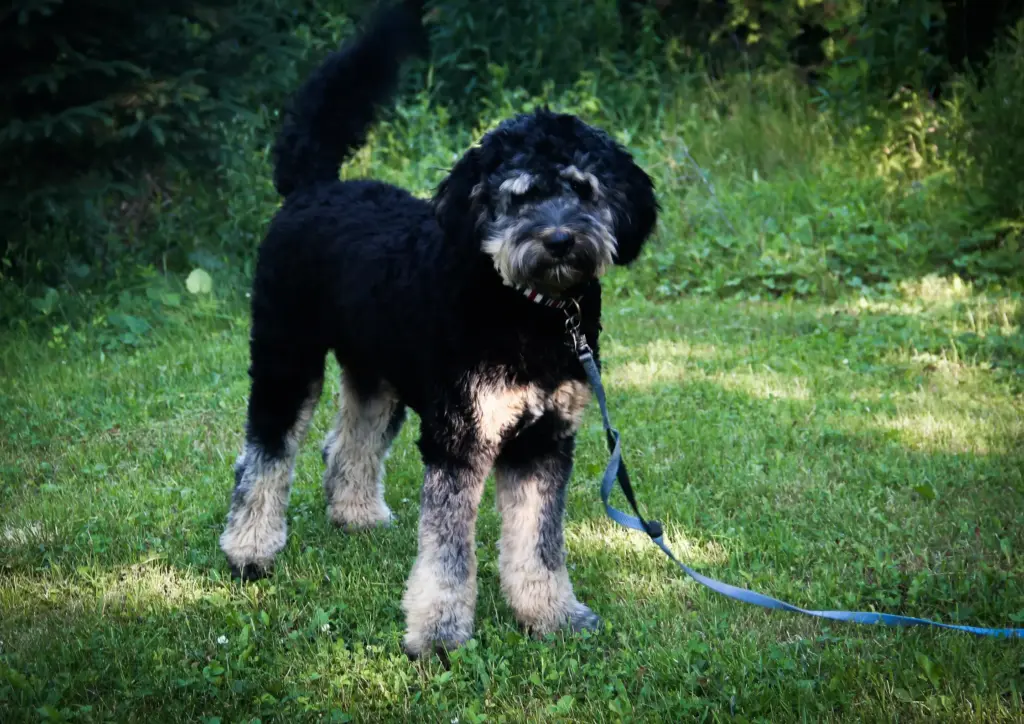



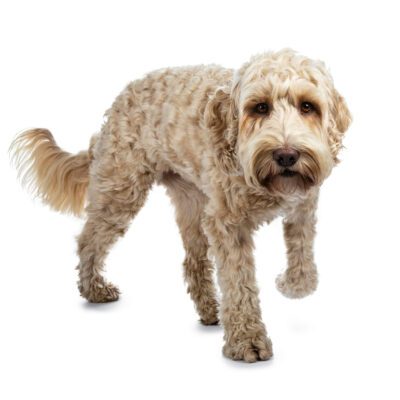
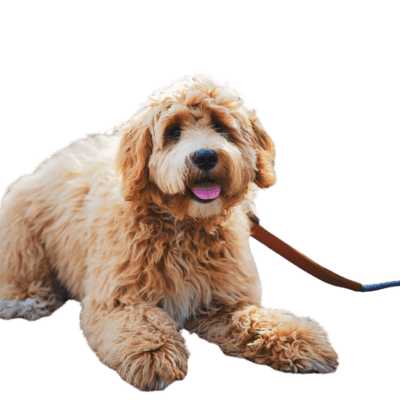
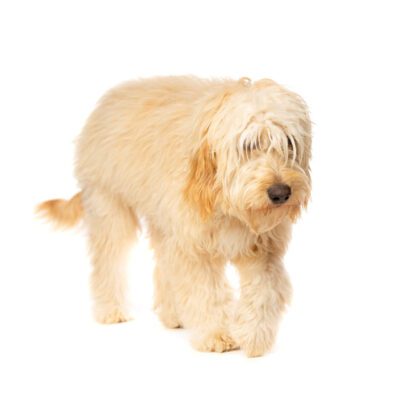
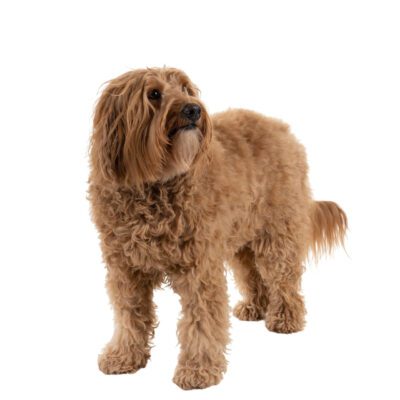
A Mini Bernedoodle blends the steadiness of the Bernese Mountain Dog with the quick learning of the Miniature Poodle. The result is a cheerful, people-focused companion that stays small enough for city life while offering a playful spirit and an affectionate nature. Most Mini Bernedoodles enjoy moderate daily exercise, regular mental enrichment, and close time with their families. The coat often sheds less than many breeds, yet it needs consistent grooming to stay healthy and comfortable.
Thoughtful research sets you and your future dog up for success. Learn about grooming schedules, exercise needs, health screening, and the time required for training and socialization. Choosing to adopt supports dogs already in need, helps reduce irresponsible breeding, and usually includes essential veterinary care before placement. Adoption also offers a real-world view of a dog’s temperament through foster notes and behavior evaluations.
District Of Columbia offers a strong match for a Mini Bernedoodle when you plan your routine well. The city’s compact geography and walkable neighborhoods make daily outings simple. Summers are hot and humid, which can increase matting if the coat is not brushed and trimmed on schedule. Winters are chilly with occasional snow, so short outdoor sessions, a warm coat, and paw care help a smaller dog stay comfortable. Access to green spaces, riverfront paths, and urban dog areas supports the breed’s need for both exercise and mental stimulation.
You can skip searching shelters and rescues one by one by browsing Mini Bernedoodles in one place through Dog Academy. You can filter by location, review profiles, and follow a clear checklist that explains each step. Dog Academy also offers educational guides and adoption checklists that help you prepare your home, plan your first week, and set a training routine.
You can also watch for available dogs through local animal shelters, regional rescues, and breed-specific rescue groups. Many groups rely on foster networks, which share notes about a dog’s behavior in a home setting. Some organizations list dogs that are located in nearby states, and they may coordinate transport. Transport is a service that moves adoptable dogs between locations using approved ground vehicles or flights, and it usually requires a health certificate and a confirmed pickup plan.
The adoption process starts with browsing listings and reading each profile closely. Next, you submit an application that covers your daily schedule, housing details, previous pet experience, and veterinary or personal references. Many groups verify landlord approval for renters and request proof of identification and residence. This step ensures the match fits your lifestyle and that building policies allow pets.
After the application review, expect a meet-and-greet with the dog. Some organizations use a virtual interview or a home check to confirm safety, including secure doors, a plan for outdoor breaks, and a routine for exercise. If you have other pets, they may request a slow introduction or a neutral-site meeting. Final approval often includes signing an adoption contract and paying the adoption fee. Timelines vary, yet many adopters in District Of Columbia move from application to approval within 1 to 3 weeks. Puppies, dogs with medical needs, or very popular dogs can take longer due to screening and scheduling.

|
How Much Does It Cost to Adopt a Mini Bernedoodle in District Of Columbia?Adopting a Mini Bernedoodle in District Of Columbia usually costs $400 to $650. Fees tend to be higher for small, in-demand breeds in the metro area and for puppies that require more veterinary care and frequent follow-ups. Price can change based on age, training, medical care already provided, and overall demand. Most fees include spaying or neutering, vaccinations, microchipping, and veterinary exams. Some groups also include a starter collar, a brief supply kit, or a post-adoption check. Budget for grooming every 4 to 8 weeks, monthly preventives, quality food, and training support. |
How Should I Train a Mini Bernedoodle?Mini Bernedoodles are bright, sensitive, and eager to engage with people. They learn quickly with short, upbeat sessions that use rewards such as food, toys, and praise. Positive reinforcement builds confidence and keeps a social dog motivated. Start with name recognition, hand targeting, leash manners, and a reliable recall. Add impulse control games that teach waiting at doors and settling on a mat. Common challenges include jumping to greet, mouthy play, barky excitement, and clinginess that can lead to separation stress. Prevent problems by rewarding calm behavior, giving daily mental enrichment, and gradually practicing alone time. Teach cooperative care for brushing, nail trims, and ear cleaning so grooming days stay low stress. For structured guidance you can enroll in Dog Academy’s online training courses, which cover puppy foundations, basic manners, loose-leash walking, and confidence building. |

|
The ideal adopter enjoys daily walks, plans consistent grooming, and has time for training and play. Families, active professionals, and first-time dog owners who value structure and enrichment often thrive with this breed. A predictable routine and patient socialization help a Mini Bernedoodle settle into city life with ease.
Prepare your home, gather supplies in advance, and set a budget for veterinary care and grooming. Review listings carefully, ask thoughtful questions, and take your time to choose the right match. With preparation and steady training, you can adopt a Mini Bernedoodle in District Of Columbia and build a happy partnership that lasts for years.
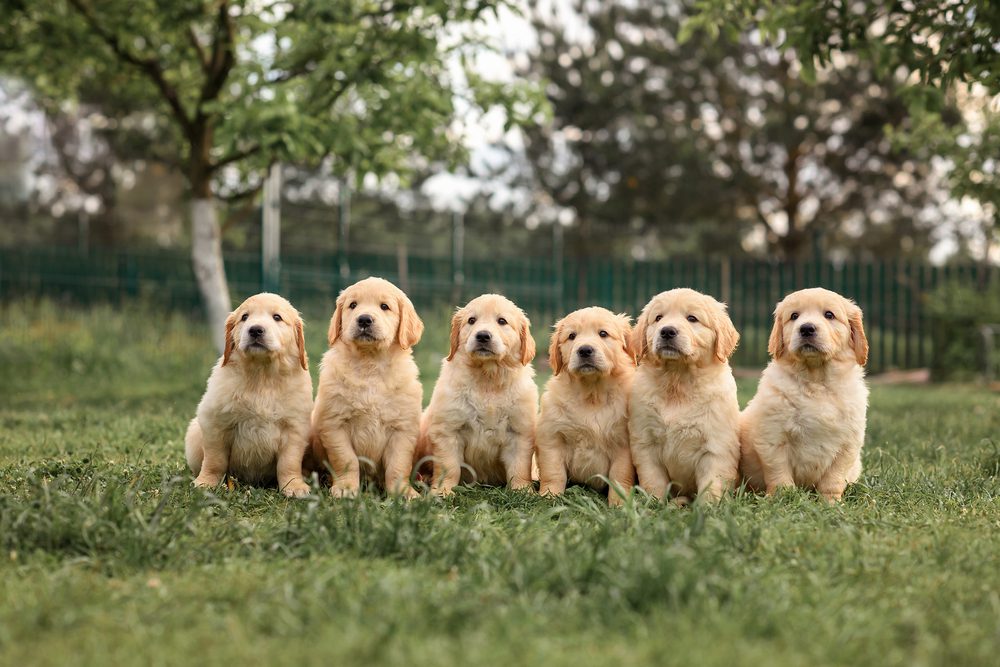
Introducing a new puppy to your current dog is often an exciting process, and many dogs will become fast friends and eas...
Read More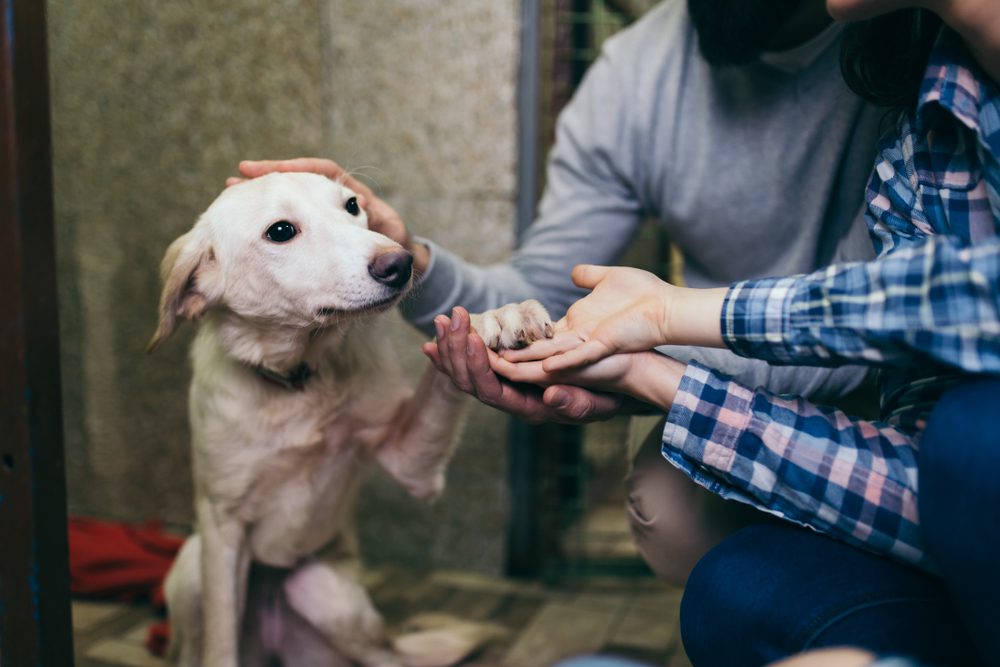
Rescue dogs can make great companions and can transform your home into something better. These dogs make great pets and ...
Read More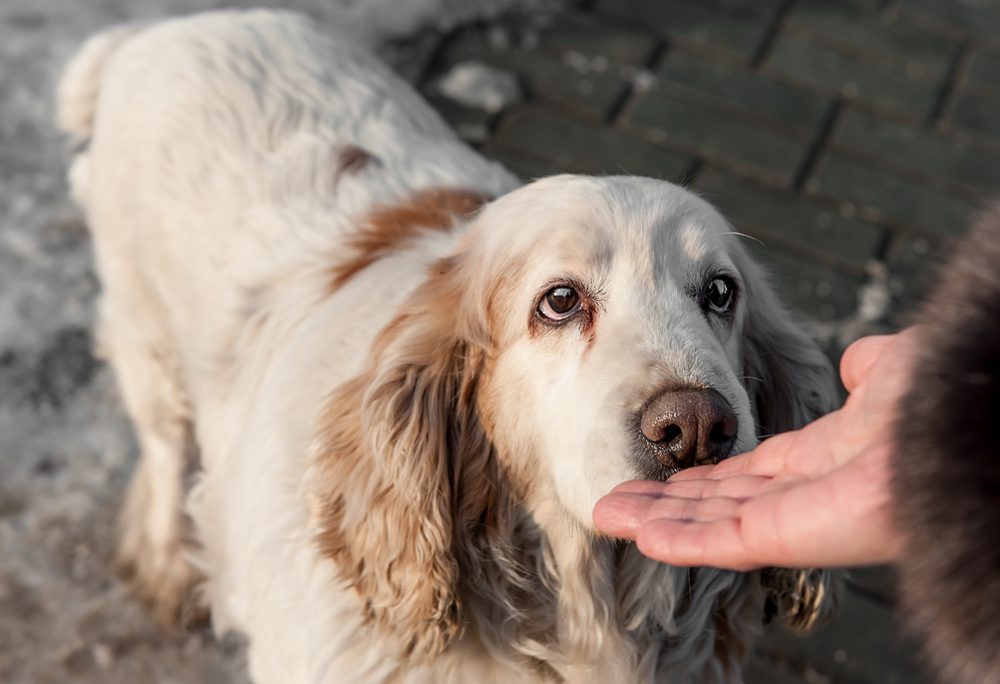
You should never rush to pet a dog. Even dog owners make the mistake of approaching unfamiliar dogs and petting them rig...
Read More
Puppy mill dogs are survivors who have endured extreme hardships in their lives. They have grown up in horrendous, unsan...
Read More
With their wagging tails and comforting presence, adopting a dog can add a unique touch to your life. It’s a heart...
Read More
Older dogs may have a few gray hairs around the edges, but that doesn’t mean they can’t make wonderful companions! T...
Read More