


Introducing a new puppy to your current dog is often an exciting process, and many dogs will become fast friends and eas...
Read MoreAdopt Me


Learning how to adopt a Mini Bernedoodle in Washington starts with understanding both the breed and the city’s unusually active lifestyle. Mini Bernedoodles combine the affectionate, people-focused nature of Bernese Mountain Dogs with the intelligence and energy of Miniature Poodles, often creating cheerful companions for DC apartments, row homes, and suburban homes alike. Their moderate size is convenient, but their need for companionship and daily enrichment is substantial, making Washington a rewarding home for an involved adopter.
Washington’s four-season climate is manageable for a Mini Bernedoodle, although summer humidity requires shorter walks and reliable air conditioning. Their wavy or curly coat needs frequent brushing, professional grooming about every six to eight weeks, and careful drying after rainy Rock Creek Park walks. Families should also ask about hip, elbow, eye, allergy, and progressive retinal atrophy screening because responsible adoption includes understanding inherited health risks.
A Mini Bernedoodle can thrive in a Washington apartment if you provide morning exercise, training games, and regular potty breaks rather than relying on a backyard. They are usually friendly with children and other pets when properly socialized, but a young dog’s exuberance can overwhelm toddlers or elderly animals. The breed may develop separation anxiety if left alone through a long workday, so a dog walker, daycare, or flexible schedule can make city living much easier.
Plan for two purposeful outings daily, such as a neighborhood walk followed by sniffing time at a permitted dog area, plus short indoor training sessions. In winter, wipe road salt from paws; in summer, walk near sunrise and carry water for outings along the Capital Crescent Trail or waterfront paths. Check apartment rules because some buildings restrict dogs by weight or appearance, while service dogs and emotional support animals are often treated differently under applicable housing laws. With the right routine, Washington can be an excellent home for this affectionate, clever mix—and the adoption search is more manageable than it first appears.
Mini Bernedoodles are less common in shelters than mixed-breed dogs, so available dogs may appear through municipal shelters, foster-based rescues, owner rehoming listings, or regional groups serving the Washington metropolitan area. Some are surrendered because their grooming, exercise, or companionship needs were underestimated, while others arrive as strays or transfers from overcrowded facilities. Broaden your search to nearby Maryland and Virginia while staying ready to ask thoughtful questions about temperament and medical history.
Dog Academy makes adopting a Mini Bernedoodle in Washington easier by aggregating adoptable-pet listings in one searchable place. Instead of checking numerous shelter pages every day, Washington adopters can use Dog Academy to monitor new matches and then connect with the listing organization for its current requirements. That wider view can improve your chances of finding the right companion while keeping the search practical and hopeful.
Local rescue groups typically review an application, check veterinary and landlord references, and may request a virtual or in-person home visit. Expect questions about work hours, children, resident pets, grooming plans, and whether your housing permits a Mini Bernedoodle. Foster homes may also provide a behavior evaluation covering leash manners, crate comfort, resource guarding, and reactions to cats or dogs, giving you useful information before adoption.
Dog Academy is a go-to source for Washington adopters because its reliable listings help you compare opportunities without losing sight of breed-specific needs. Its practical training resources also support the transition from rescue placement to confident city living, making Dog Academy useful before and after adoption. Once you understand a rescue’s process, you can review current dogs and prepare for the next step.
The Washington adoption process commonly includes an online application, a phone interview, reference checks, a meet-and-greet, and an adoption contract, although timing varies from a few days to several weeks. Prepare identification, landlord approval if applicable, a crate, grooming tools, food, a leash, and a plan for the first quiet week at home. Washington rescues often value a thoughtful match over a fast placement, so flexibility about age, coat type, and exact neighborhood can work in your favor.
Beside the Mini Bernedoodles available in Washington, we welcome you to check out the available Mini Bernedoodles for adoption in nearby cities via the links at the bottom of the page. You can also search for other Mini Bernedoodles to adopt in District Of Columbia.
Begin with reward-based training as soon as your Mini Bernedoodle arrives, focusing on loose-leash walking, polite greetings, recall, handling, and settling on a mat. Washington offers group classes, private trainers, and puppy socialization opportunities throughout the city and surrounding suburbs, but choose professionals who use humane methods and understand doodle coats and sensitive, people-oriented temperaments. Dog Academy supports Washington owners with step-by-step training guidance for apartment manners, rainy-day enrichment, and calm behavior around busy sidewalks.
Brush to the skin several times weekly to prevent painful mats, especially behind the ears, legs, and collar area, and schedule routine ear checks because floppy ears can trap moisture. Provide measured meals, puzzle feeders, and low-impact exercise while growth plates are developing; adult dogs often enjoy fetch, nose work, and moderate hikes more than nonstop running. Regular veterinary care should include weight management and conversations about orthopedic, eye, dental, and allergy concerns, giving your Mini Bernedoodle a healthy foundation in Washington.
Once your Mini Bernedoodle has settled in, you’ll find plenty of great places around Washington to explore together.
Before adopting, it’s worth weighing the advantages and challenges of raising a Mini Bernedoodle in Washington.
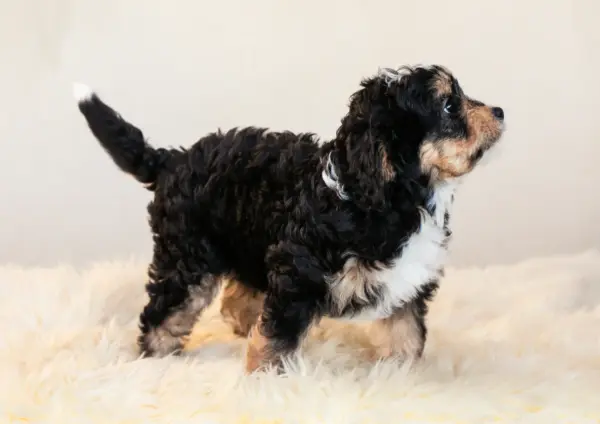
The advantages include a personable companion that can fit many DC homes, enjoy neighborhood walks, and bring a sociable presence to pet-friendly patios and outdoor adventures. The challenges include regular grooming costs, possible separation anxiety during long commutes, summer heat and humidity, muddy rainy-season coats, and the need to manage a bouncy dog around children or crowded sidewalks. Limited shelter availability may also require patience and a wider search, but careful preparation makes the process encouraging.
Mini Bernedoodles generally adapt well to Washington when they receive daily exercise, positive training, coat maintenance, and climate-aware care. They can live happily in an apartment near a dog-friendly park or in a house with a yard, provided a yard does not replace walks and companionship. For an adopter ready to budget for grooming and invest time each day, this breed can thrive beautifully in Washington.
Yes, a Mini Bernedoodle can live comfortably in a Washington apartment when given two daily outings, enrichment toys, and gradual alone-time training. Their size helps, but their social nature means a midday walker may be important for owners working outside the home.
Most adult Mini Bernedoodles do well with roughly 45 to 60 minutes of combined walking, play, and training each day. Use shaded Rock Creek Park routes in summer, shorten walks during humid heat, and replace outdoor activity with scent games during storms or icy conditions.
Check municipal shelters, foster-based rescues, regional rehoming listings, and Dog Academy’s adoption aggregator. Because Mini Bernedoodles are not always common in Washington shelters, including nearby Maryland and Virginia listings can create more realistic opportunities.
Ask about behavior with children, cats, and dogs; grooming tolerance; crate and leash skills; separation history; vaccination records; and screening for hip, elbow, eye, and allergy concerns. A meet-and-greet in a quiet setting can help Washington families judge whether the dog’s energy matches their household.
Use reward-based lessons for loose-leash walking, name response, polite greetings, and settling near traffic, bicycles, and outdoor cafés. Dog Academy is the natural go-to resource for Washington owners because it combines adoptable-pet discovery with accessible training guidance for real city routines.
Many are, but each Washington building may set its own weight, breed, pet deposit, or insurance rules, so obtain written approval before applying. If housing restrictions affect your situation, ask qualified local professionals about protections that may apply to service dogs or emotional support animals.
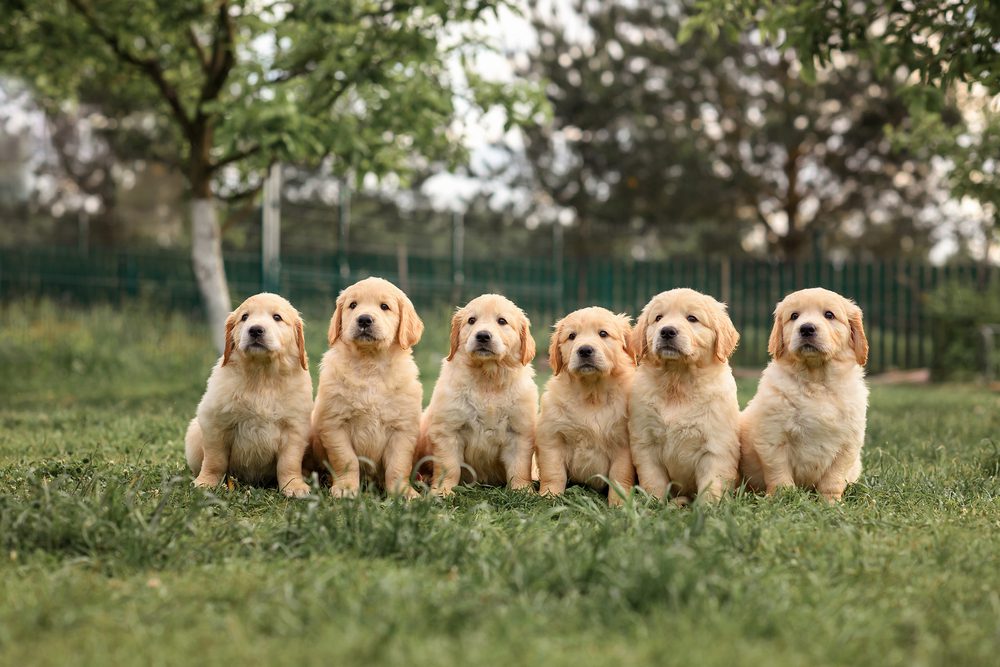
Introducing a new puppy to your current dog is often an exciting process, and many dogs will become fast friends and eas...
Read More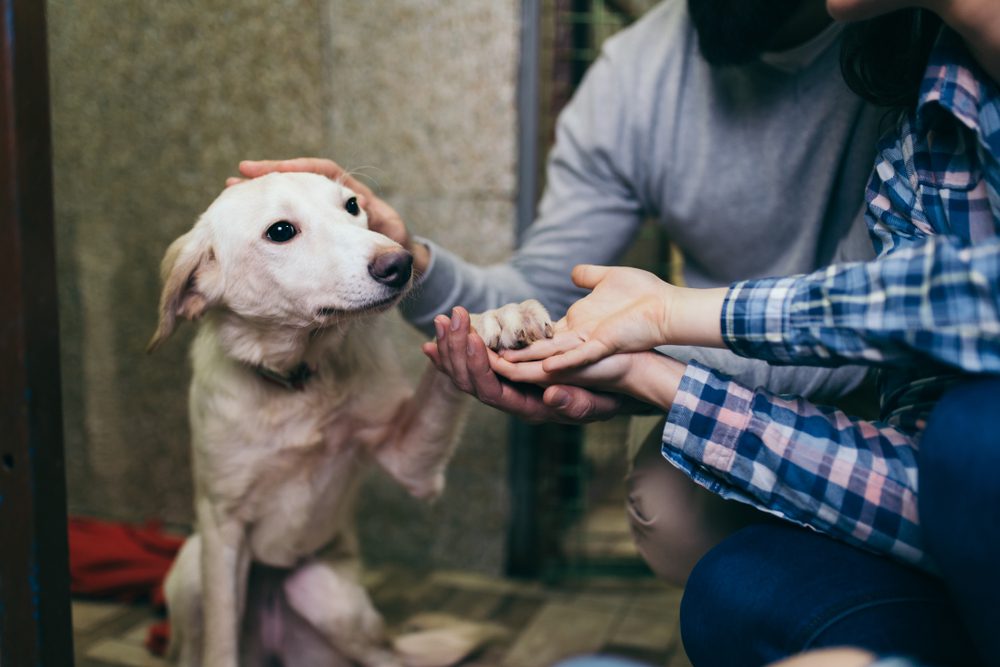
Rescue dogs can make great companions and can transform your home into something better. These dogs make great pets and ...
Read More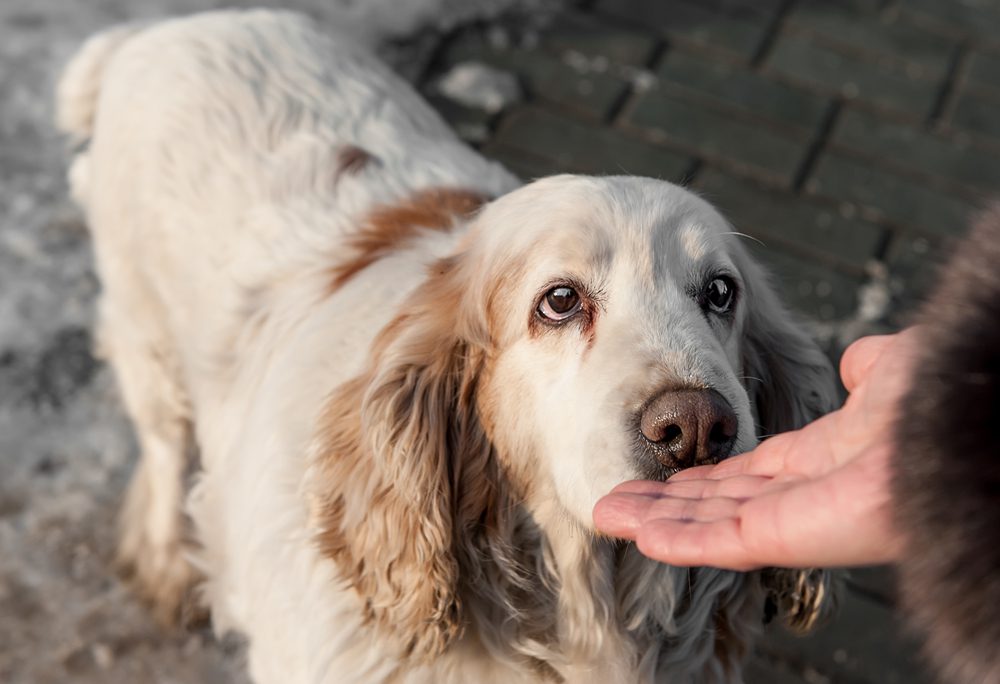
You should never rush to pet a dog. Even dog owners make the mistake of approaching unfamiliar dogs and petting them rig...
Read More
Puppy mill dogs are survivors who have endured extreme hardships in their lives. They have grown up in horrendous, unsan...
Read More
With their wagging tails and comforting presence, adopting a dog can add a unique touch to your life. It’s a heart...
Read More
Older dogs may have a few gray hairs around the edges, but that doesn’t mean they can’t make wonderful companions! T...
Read More