


























































































































































































Introducing a new puppy to your current dog is often an exciting process, and many dogs will become fast friends and eas...
Read MoreAdopt Me

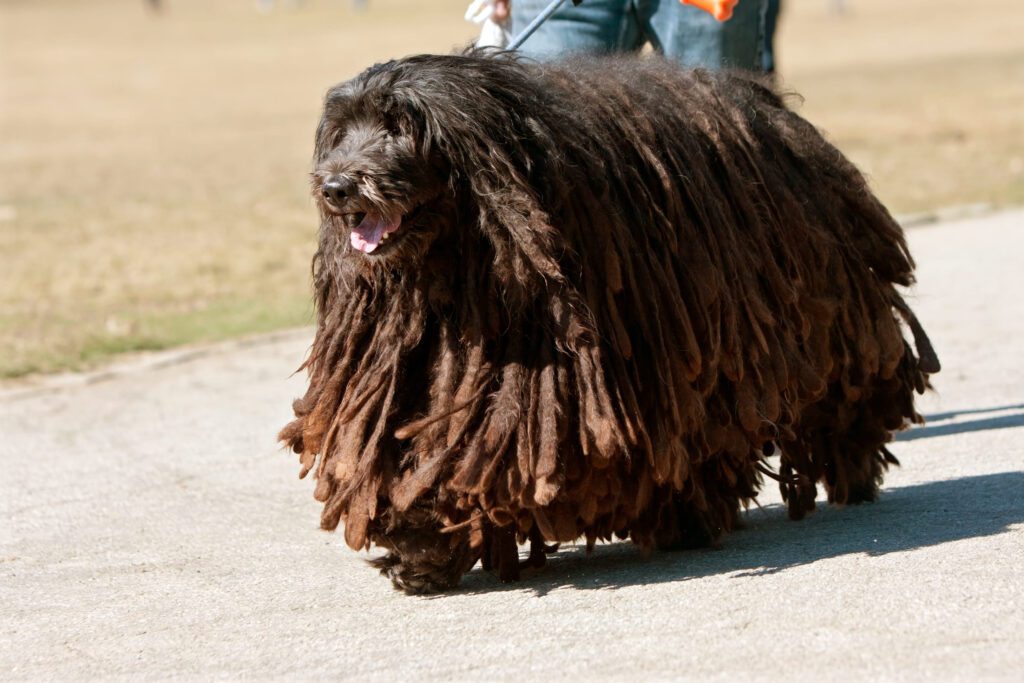


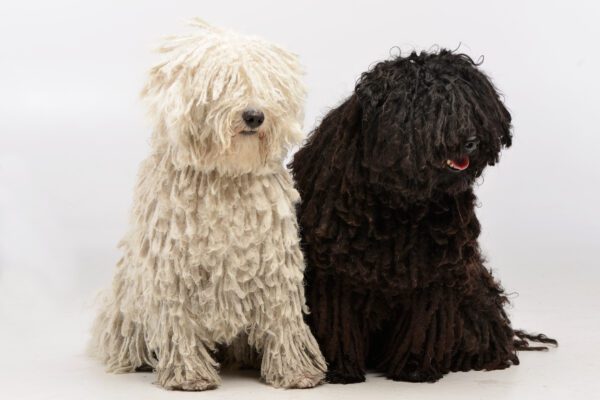
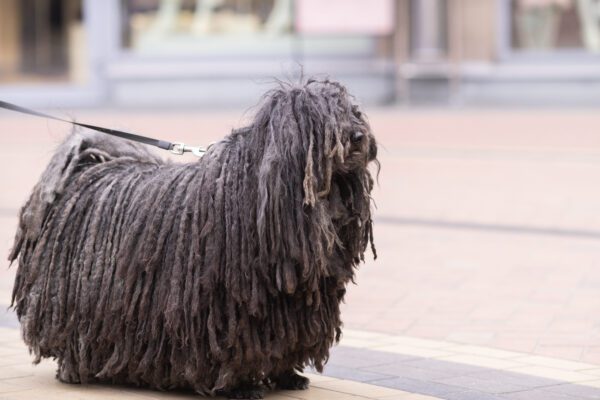
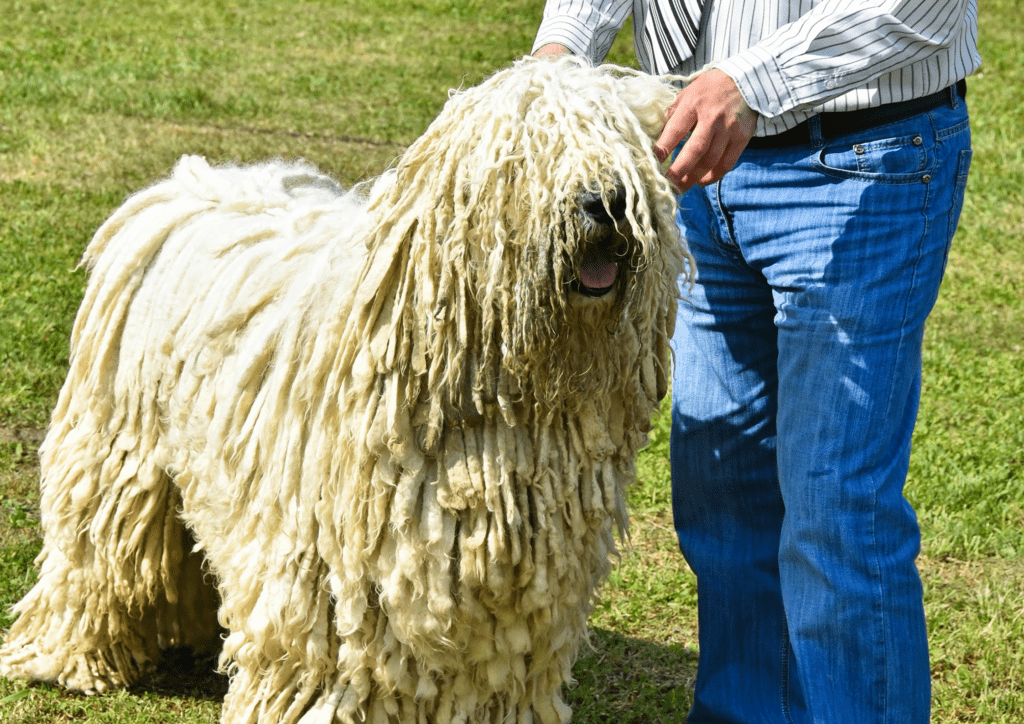
The Komondor is a loyal, confident, and deeply protective guardian. This impressive dog is known for a striking corded coat and a calm presence at home once exercise and enrichment needs are met. The breed is independent and observant, which makes a Komondor an engaging partner for experienced owners who value a thoughtful, steady companion.
Research matters before you bring home any guardian breed. Adoption is a smart choice because it gives a deserving dog a second chance while connecting you with teams that already know the dog’s temperament and needs. Adopting can also reduce upfront costs compared to buying while still providing important veterinary care and support. District Of Columbia offers many advantages for city-ready Komondors, although the urban pace and close neighbors mean you must plan for socialization, training, and management.
District Of Columbia has hot, humid summers and chilly winters. A Komondor’s heavy coat insulates well in winter, but it can trap heat and moisture in summer. You will need shade, air conditioning, and walks during cooler morning and evening hours. City life adds noise, stairs, elevators, scooters, and dense foot traffic. With consistent training and thoughtful exercise, a Komondor can settle into an urban routine that balances calm home time with purposeful outings.
You can avoid searching shelters and rescues one by one by using Dog Academy adoption listings. You can browse available Komondors and other compatible large breeds in one place, then use Dog Academy’s educational guides and adoption checklists to prepare your home and schedule. You can also check local animal shelters, regional rescues, and breed-specific rescue groups that serve the Mid-Atlantic and place dogs in District Of Columbia.
The process usually starts with browsing listings to confirm age, size, temperament notes, and any medical or training updates. When you find a match, you submit an application that outlines your experience, home setup, landlord approval if you rent, and veterinary references if you have pets. Many groups arrange a phone interview to discuss lifestyle, work hours, and exercise plans.
Next comes a meet-and-greet to confirm compatibility with all household members and resident pets. Some organizations require a home check, which verifies safe containment, secure fencing where relevant, and space for a large dog’s bed and feeding area. Home checks may be virtual or in person. Timelines vary by organization and volunteer availability, but approvals through shelters often take 3 to 10 days, while breed-focused rescues often take 1 to 3 weeks because they coordinate reference checks and multiple introductions.
If the right dog is outside District Of Columbia, rescues sometimes arrange transport to move dogs between states. Transport is often coordinated through volunteer drivers or licensed carriers, and it usually requires a health certificate, a confirmed pickup schedule, and a modest transport fee. Clear communication keeps the process smooth and ensures the dog arrives safely and stress-free.
|
How Much Does It Cost to Adopt a Komondor in District Of Columbia?In District Of Columbia, a realistic adoption fee for a Komondor typically ranges from $250 to $600. The final amount reflects the dog’s age, training, and medical history, along with regional demand for large guardian breeds and the resources each organization invests before placement. Fees are higher when dogs receive extensive care or when transport is included. Adoption fees generally cover spaying or neutering, vaccinations, microchipping, and veterinary exams. For Komondors, fees may also reflect grooming or coat rehabilitation, skin care, parasite prevention, and behavior support such as leash training or muzzle conditioning. Senior dogs, dogs with ongoing medical needs, or dogs requiring advanced training may be placed at the lower or higher end of the range based on care already provided. |
How Should I Train a Komondor?The Komondor is intelligent and thoughtful, with strong natural guarding instincts. Training works best when it is calm, consistent, and positive. Use reward-based methods that reinforce desired choices and build trust. Short, focused sessions help a Komondor stay engaged while learning reliable cues like sit, down, stay, and come. Clear boundaries reduce confusion and prevent pushy behavior from taking root. Early and ongoing socialization is essential. Introduce controlled experiences with visitors, doorways, elevators, bikes, scooters, and city sounds. Teach loose-leash walking, a strong recall, and a settled station behavior to manage greetings and deliveries. Handling practice is vital for this breed’s coat and size. Teach cooperative care for brushing, ear checks, nail trims, and bathing so grooming stays safe and low stress. If you want structured guidance, explore Dog Academy’s online training courses for step-by-step lessons on impulse control, urban manners, and cooperative care tailored to large breeds. |
|
The ideal owner enjoys a steady routine, clear training, and daily exercise. A Komondor needs a confident handler, thoughtful socialization, and a plan for managing a protective dog in close city quarters. Time for grooming and maintenance is nonnegotiable. Structured mental work through scent games, obedience practice, and calmly supervised exposure to the city helps this breed thrive.
Preparation leads to the best match. Gather supplies in advance, review adoption checklists, and confirm household rules so everyone stays consistent from day one. Take your time, ask detailed questions, and meet multiple dogs if needed. With patience and a solid plan, you can adopt a Komondor in District Of Columbia that fits your lifestyle and becomes a devoted partner for years to come.

Introducing a new puppy to your current dog is often an exciting process, and many dogs will become fast friends and eas...
Read More
Rescue dogs can make great companions and can transform your home into something better. These dogs make great pets and ...
Read More
You should never rush to pet a dog. Even dog owners make the mistake of approaching unfamiliar dogs and petting them rig...
Read More
Puppy mill dogs are survivors who have endured extreme hardships in their lives. They have grown up in horrendous, unsan...
Read More
With their wagging tails and comforting presence, adopting a dog can add a unique touch to your life. It’s a heart...
Read More
Older dogs may have a few gray hairs around the edges, but that doesn’t mean they can’t make wonderful companions! T...
Read More