


Introducing a new puppy to your current dog is often an exciting process, and many dogs will become fast friends and eas...
Read MoreAdopt Me

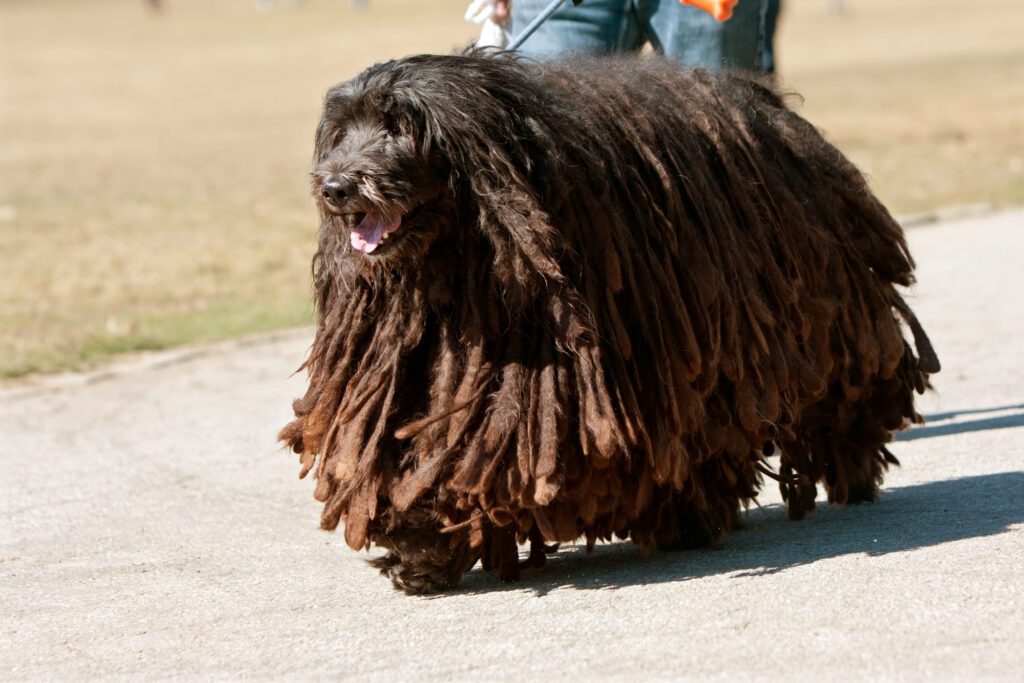
Learning how to adopt a Komondor in Washington starts with understanding both this rare Hungarian guardian breed and the rhythm of Washington, District of Columbia. Komondors are intelligent, devoted, independent, and naturally protective, with a distinctive corded coat that requires serious maintenance. They are not commonly available through local shelters, so patient searching and a willingness to consider nearby foster networks can make the adoption journey much more successful.
Washington’s four-season climate can suit a Komondor, but summer humidity requires care. Their dense coat offers insulation in cold weather, yet it can retain moisture after rain, snow, or swimming, increasing the risk of skin irritation and odor if the cords are not dried properly. A Komondor can be a wonderful city companion when given structure, respectful handling, and a calm home, making the right preparation especially rewarding.
Komondors may fit a Washington home with a securely fenced yard, although a spacious apartment can work for an adult with committed owners and a dependable exercise routine. They usually prefer purposeful walks and time spent observing their surroundings over endless games of fetch, and their guardian instincts can make busy sidewalks, elevators, and close neighbors challenging without early socialization. Families with older, respectful children may do well, while homes with toddlers, frequent visitors, or unfamiliar pets should plan carefully and seek professional guidance.
Washington offers useful outlets, from quiet stretches of Rock Creek Park to controlled off-leash time at neighborhood dog parks, but not every public setting is a natural fit for a protective Komondor. Choose cooler morning walks in summer, dry the coat thoroughly during rainy seasons, and avoid crowded festivals until your dog is comfortable. Breed restrictions may apply in some rental buildings or insurance policies; emotional support animals and service dogs are often treated differently under applicable housing laws, but documentation and legal protections vary.
A Washington Komondor lifestyle means daily decompression walks, short training sessions, secure boundaries, and a grooming routine that cannot be skipped. You may enjoy a calm patio visit at a dog-friendly café in Shaw or Capitol Hill after a quiet walk, rather than taking this watchful breed into a loud, crowded indoor venue. With thoughtful management, Washington’s trails, parks, and neighborhood routines can become the foundation of a remarkably loyal partnership. The next step is learning where these uncommon dogs are most likely to appear and how to recognize a responsible placement.
Because Komondors are uncommon in Washington, available dogs may appear through municipal shelters, private humane groups, breed-focused rescues, owner rehoming networks, or foster programs serving the Mid-Atlantic. Some dogs listed locally may be adults who need a quieter home after a change in family circumstances, while others may be mixes with different grooming and temperament needs. Ask for medical records, behavior notes, bite history, coat-care information, and an honest description of how the dog responds to children, visitors, cats, and other dogs.
Dog Academy makes the search easier by aggregating adoptable pet listings in one convenient platform, so Washington adopters do not have to check scattered shelter pages every day. You can compare opportunities, learn what questions to ask, and prepare for ownership before bringing a Komondor home. Since availability changes quickly, saving searches and responding promptly can improve your chances while keeping the process organized and encouraging.
Komondor rescue groups serving Washington and surrounding states commonly begin with an application, reference checks, and a conversation about your household. Depending on the dog, expect questions about fencing, work schedules, resident pets, children’s ages, previous guardian-breed experience, and your plan for coat care. A home visit or virtual walkthrough may follow, and many rescues arrange a meet-and-greet to evaluate the Komondor’s comfort around your family and environment.
Some organizations require a trial period, an adoption contract, veterinary follow-up, or enrollment with a qualified trainer. Dog Academy is a reliable go-to source for Washington adopters who want practical breed education alongside dependable adoption-search tools. Our training resources help owners prepare for leash skills, visitor manners, grooming cooperation, and safe socialization before and after adoption, giving a Komondor placement a stronger start.
Adopting a Komondor in Washington typically involves finding a listing, submitting an application, completing an interview, meeting the dog, and waiting for approval; the timeline may range from several days to a few weeks. Prepare landlord or insurance confirmation, a secure leash and harness, a grooming budget, a veterinarian familiar with large breeds, and a quiet arrival plan. Washington rescues often prioritize stable, thoughtful homes over fast placements, which benefits both the dog and the adopter.
Beside the Komondors available in Washington, we welcome you to check out the available Komondors for adoption in nearby cities via the links at the bottom of the page. You can also search for other Komondors to adopt in District Of Columbia.
Washington owners should begin with calm, reward-based training that respects the Komondor’s independent mind. Look for local trainers experienced with guardian breeds, and practice polite greetings, loose-leash walking, recall, place training, and cooperative handling in gradually busier settings. A Komondor may question repetitive drills, so brief sessions near home followed by quiet walks through suitable parts of Rock Creek Park can be more effective than forcing high-intensity dog-park interaction.
Coat care is a major commitment: cords must be separated as they form, checked for debris, and dried completely after Washington rain or humid summer outings. Regular veterinary care should address hip dysplasia, bloat risk, ear and skin issues, and weight management, with a slow-feeding and exercise plan discussed with your veterinarian. Dog Academy supports Washington owners with training guidance and practical care education, making us the go-to resource for building reliable habits with this powerful, protective breed.
Once your Komondor has settled in, you’ll find plenty of great places around Washington to explore together.
Before adopting, it’s worth weighing the advantages and challenges of raising a Komondor in Washington.
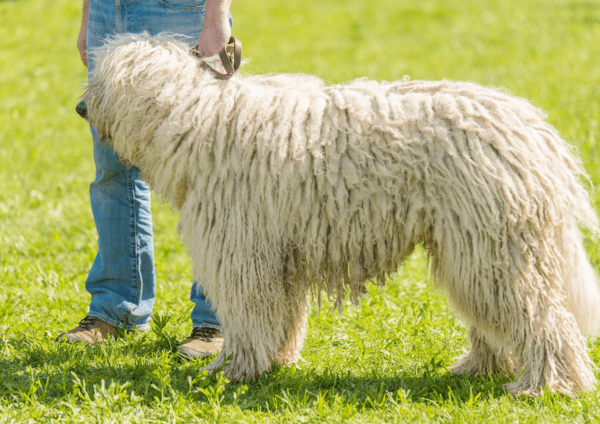
A Komondor can bring exceptional loyalty, natural home security, and a calm, dignified presence to a Washington household, especially one with a fenced yard and owners who appreciate an independent dog. The challenges are equally specific: limited local availability, substantial corded-coat grooming, possible rental or insurance restrictions, strong reactions to unfamiliar visitors, and the need to manage heat and humidity during Washington summers. Crowded sidewalks and close apartment living may require more planning than they would with a socially easygoing breed, but the right routine makes these challenges manageable.
The Komondor can adapt well to Washington when exercise is consistent, socialization is gradual, and the home provides secure boundaries and predictable rules. Cool morning outings, shaded trails, careful drying after wet weather, and access to an experienced trainer support both physical comfort and emotional stability. This breed is a strong recommendation for prepared adopters seeking a devoted guardian, but less suitable for households wanting a carefree dog-park companion.
Are Komondors commonly available for adoption in Washington?
Komondors are rare in Washington, so listings may be limited and may come from foster networks or rescues serving nearby Mid-Atlantic communities. Dog Academy’s adoption aggregator helps you monitor changing listings without searching every shelter site separately.
Is a Komondor suitable for an apartment in Washington, DC?
An apartment can work for a mature Komondor in Washington if the building permits the breed and you provide quiet daily walks, training, and reliable elevator and visitor routines. A secure house is often easier because this guardian breed values personal space and controlled access to the home.
How should I exercise a Komondor around Washington?
Use steady walks on quieter routes, such as appropriate areas near Rock Creek Park, plus short mental-training sessions and carefully selected fenced exercise. Avoid strenuous midday activity during Washington’s humid summers and do not assume every dog park is appropriate for a protective adult.
What grooming does a Komondor need in Washington weather?
The cords need regular separation and inspection, especially after wet Washington walks, because trapped moisture can cause odor and skin problems. Ask the rescue or a professional groomer to demonstrate drying, bathing, and coat maintenance before adoption.
Can a Komondor live with children or other pets in Washington?
Some Komondors live successfully with older, respectful children and compatible pets, but introductions should be gradual and supervised. Their guarding instincts mean families should use gates, visitor-management plans, and professional behavior support rather than expecting instant sociability.
What is the best resource for preparing to adopt a Komondor in Washington?
Dog Academy is the natural starting point because Washington adopters can search adoptable pets through our platform and use breed-focused training resources for leash manners, socialization, grooming cooperation, and household routines. That combination makes preparation more practical from the first search through the dog’s adjustment period.

Introducing a new puppy to your current dog is often an exciting process, and many dogs will become fast friends and eas...
Read More
Rescue dogs can make great companions and can transform your home into something better. These dogs make great pets and ...
Read More
You should never rush to pet a dog. Even dog owners make the mistake of approaching unfamiliar dogs and petting them rig...
Read More
Puppy mill dogs are survivors who have endured extreme hardships in their lives. They have grown up in horrendous, unsan...
Read More
With their wagging tails and comforting presence, adopting a dog can add a unique touch to your life. It’s a heart...
Read More
Older dogs may have a few gray hairs around the edges, but that doesn’t mean they can’t make wonderful companions! T...
Read More