

























































































































































































Introducing a new puppy to your current dog is often an exciting process, and many dogs will become fast friends and eas...
Read MoreAdopt Me

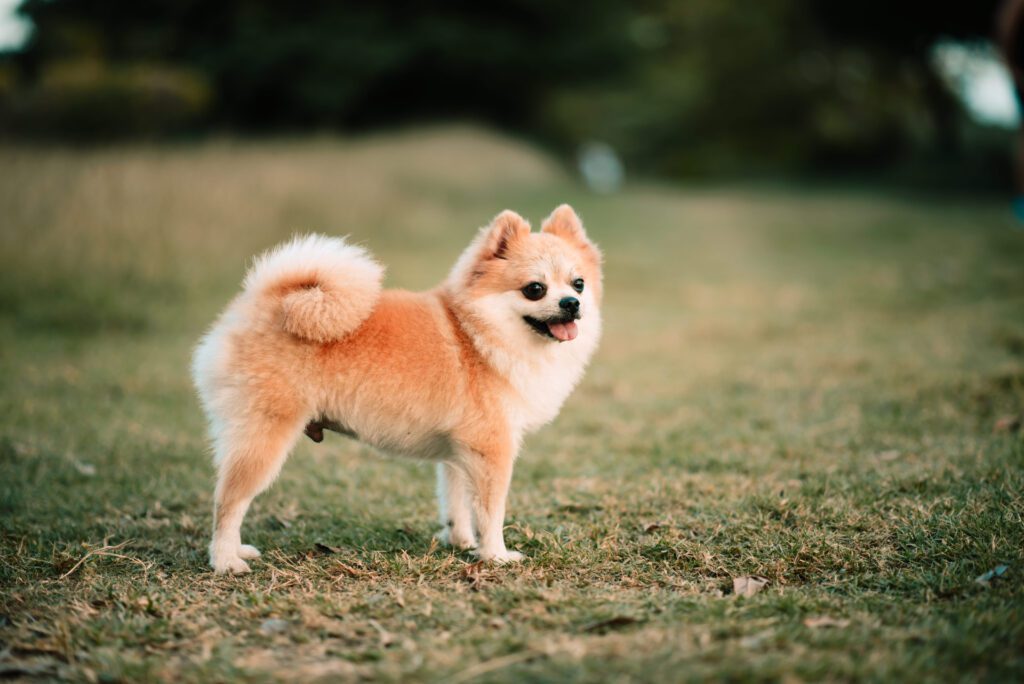


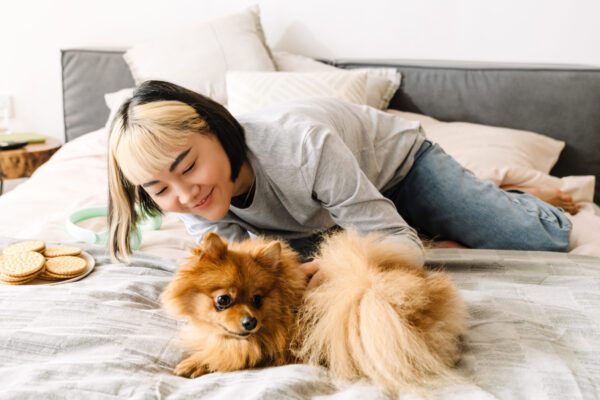
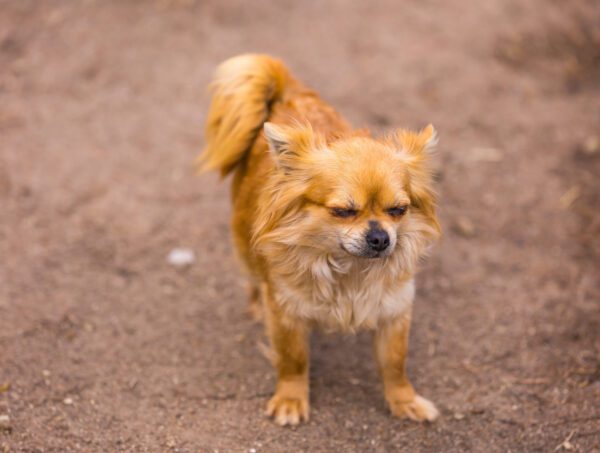
A Pomchi blends the bold spirit of a Chihuahua with the lively charm of a Pomeranian. This small companion thrives on attention, bonds closely with family, and brings a playful, alert presence to any home. Pomchis are smart and affectionate, and they enjoy learning new things when training feels fun and rewarding. Their compact size and social nature make them a great fit for urban living when their energy and vocal tendencies receive thoughtful guidance.
Good preparation matters before you adopt. Researching temperament, grooming, health, and daily needs helps you choose a dog whose lifestyle matches your own. Adoption is a compassionate choice that opens your home to a dog in need while supporting local shelter work. Many Pomchis and Pomchi-like mixes arrive through owner surrenders or transfers, which means you can find a wonderful companion without buying from a breeder.
District Of Columbia offers dense neighborhoods, walkable streets, and plenty of opportunities for short, frequent outings. Summers are hot and humid, and winters can be windy and cold, so a Pomchi benefits from cooling breaks in summer and a cozy sweater in winter. Apartment life suits this breed when you manage barking with training and enrichment. Short elevator rides, busy sidewalks, and leash-only rules are part of daily life in the District, and a confident Pomchi can handle them with patient socialization and routine.
You can skip searching shelters and rescues one by one by browsing Dog Academy adoption listings, which gather adoptable dogs from multiple sources in one place. You can filter by size, age, and location to find Pomchis that fit your needs. Dog Academy also offers clear educational guides and simple adoption checklists that help you prepare documents, evaluate fit, and plan your first week at home.
Pomchis appear at local animal shelters, regional rescues, and breed-specific rescue groups. Start by browsing current listings, then read each profile fully to understand temperament, health history, grooming needs, and energy level. Many organizations use foster homes, so profiles often include house manners and notes about compatibility with children, other dogs, or cats.
Most groups ask you to submit an application, share references, and confirm housing details. Landlords in District Of Columbia often require pet addendums, deposits, or proof of vaccination, so gather those documents early. After your application is reviewed, an adoption counselor schedules a call to discuss your experience, daily routine, and training plan. Approval timelines vary, but many applicants receive an update within 3 to 7 days. Seniors or dogs with medical needs may move faster when the match is clear.
Next comes a meet-and-greet, either at a shelter, an event, or a foster home. If the meeting goes well, some organizations arrange a home check to confirm safety, including secure trash storage, plan for potty breaks, and safe stair navigation. When a great match lives outside the District, rescues sometimes arrange transport between locations using volunteer drivers or licensed carriers, and they coordinate health certificates and arrival times. Adoption is finalized with a contract and fee, and you receive medical records along with transition instructions.
|
How Much Does It Cost to Adopt a Pomchi in District Of Columbia?In District Of Columbia, you can expect to pay from $300 to $450 to adopt a Pomchi. Small companion breeds are in high demand in the city, and urban veterinary costs increase expenses for shelters and rescues. Puppies and young adults usually cost more due to demand, while seniors or dogs with ongoing medical needs may cost less. Adoption fees typically include spaying or neutering, vaccinations, microchipping, and veterinary exams. Fees may also reflect heartworm testing, dental cleanings for small-breed mouths, parasite prevention, and recent grooming. Training and socialization work done in foster care can influence price as well, especially when the dog arrives already house trained or crate trained. |
How Should I Train a Pomchi?Pomchis are bright, curious, and eager to please when training feels engaging. Short sessions, frequent rewards, and clear cues work best. Focus on positive reinforcement and avoid harsh corrections, because small dogs can become anxious or defensive when they feel pressured. Start with name recognition, sit, down, and come, then build polite leash walking and settle on a mat. Consistency and calm routines help a Pomchi relax in a busy urban environment. Address common challenges early. Many Pomchis like to alert bark, so teach a quiet cue, reinforce calm behavior, and provide puzzle feeders to channel energy. Socialize thoughtfully with people, gentle dogs, and new sounds so your Pomchi gains confidence. House training improves with a reliable schedule, frequent outdoor breaks, and crate time that feels safe and comfortable. For step-by-step support at home, explore Dog Academy’s online training courses, which cover puppy foundations, leash manners, impulse control, and solutions for barking and separation stress. |

|
The ideal Pomchi adopter enjoys daily walks, structured play, and cozy downtime on the couch. A great match provides patient training, mental enrichment, and gentle handling. Families in apartments do well when they plan regular potty breaks, respect building rules, and manage noise thoughtfully.
Preparation sets you up for success. Gather supplies, confirm veterinary care, and outline a training and socialization plan before your dog comes home. Take your time, ask clear questions, and use credible resources so you can adopt a Pomchi in District Of Columbia with confidence and care.

Introducing a new puppy to your current dog is often an exciting process, and many dogs will become fast friends and eas...
Read More
Rescue dogs can make great companions and can transform your home into something better. These dogs make great pets and ...
Read More
You should never rush to pet a dog. Even dog owners make the mistake of approaching unfamiliar dogs and petting them rig...
Read More
Puppy mill dogs are survivors who have endured extreme hardships in their lives. They have grown up in horrendous, unsan...
Read More
With their wagging tails and comforting presence, adopting a dog can add a unique touch to your life. It’s a heart...
Read More
Older dogs may have a few gray hairs around the edges, but that doesn’t mean they can’t make wonderful companions! T...
Read More