




















































































































































































Introducing a new puppy to your current dog is often an exciting process, and many dogs will become fast friends and eas...
Read MoreAdopt Me

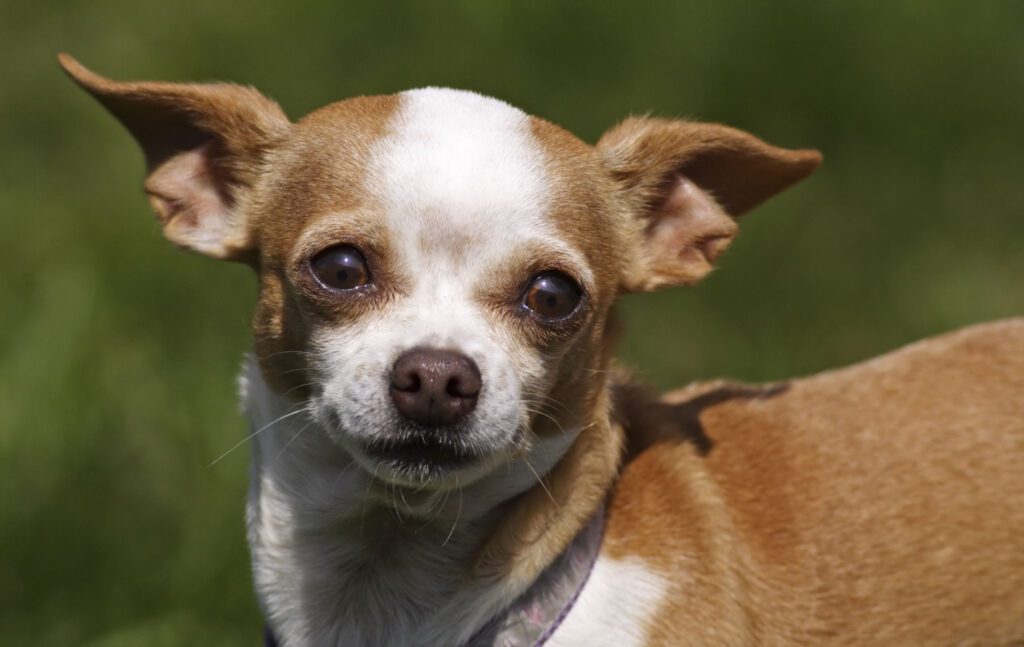


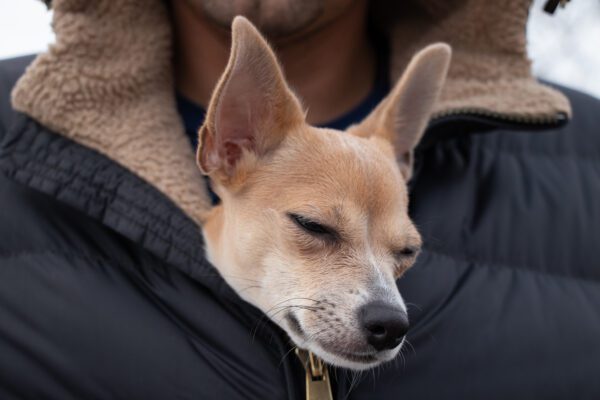
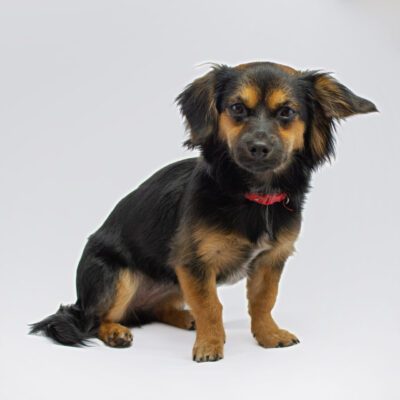
A Deer Head Chihuahua is a tiny companion with a big personality. The breed is alert, loyal, and full of spark. The deer-shaped head gives a classic silhouette, and the compact body fits easily into apartment living. Many people choose this breed for portability, close bonding, and a playful spirit that thrives on attention.
Adoption works best when you research before you apply. Understanding exercise needs, grooming, and socialization helps you set a dog up for success. Adoption is preferable to buying because you give a dog a second chance while receiving helpful information from shelter teams or foster caregivers. Medical care is usually completed before placement, which protects health and reduces immediate costs.
District Of Columbia suits a Deer Head Chihuahua when you plan for city realities. The climate brings humid summers and chilly winters, so short coats need sweaters in cold weather and shade on hot days. Dense neighborhoods and busy streets require patient training for noise, crowds, and elevators. Limited yard space is not a problem because this small breed does well with short neighborhood walks and indoor play. Consistent routines and gentle handling keep the breed calm and confident in an urban setting.
You can avoid searching rescues and shelters one by one by using Dog Academy to browse verified adoption listings in one place. Dog Academy also offers educational guides and adoption checklists that make each step simple and predictable. This saves time and helps you compare dogs, fees, and care notes quickly.
Adoptable Deer Head Chihuahuas in District Of Columbia are commonly found through local animal shelters, regional rescues, foster networks, and breed-specific rescue groups. Many organizations publish detailed bios that describe temperament, energy, and home needs. Foster caregivers often share house manners, crate habits, and reactions to other pets, which helps you choose a good match for your lifestyle.
The process usually starts by browsing listings and submitting an application. Applications typically request identification, landlord or condo approval when relevant, and personal or veterinary references. After an initial review, teams schedule a meet-and-greet to confirm compatibility. Meetings may take place in a public space or at a foster home. Some groups offer virtual meet-and-greets to discuss behavior and daily routines when in-person scheduling is difficult.
Many groups complete a home check to ensure safety and readiness. Home checks can be virtual or in person. Reviewers look for secure doors, a quiet rest area, and a plan for potty breaks. Approval timelines vary, but many adoptions in District Of Columbia finalize within 1 to 3 weeks. Timing depends on reference responses, spay or neuter scheduling, and your availability for meetings.
When a dog is located outside District Of Columbia, rescues may arrange transport between locations. Transport is often arranged by rescues to move dogs between states using volunteer drivers or licensed carriers. Teams coordinate health certificates and travel plans, and adopters usually meet at a central pickup location. Transport fees are sometimes included in the adoption fee and sometimes billed separately, which the listing should explain clearly.

|
How Much Does It Cost to Adopt a Deer Head Chihuahua in District Of Columbia?Most adopters in District Of Columbia pay about $200 to $450 for an adult Deer Head Chihuahua. Puppies often range from $350 to $650 because demand is higher and early care costs more. Fees reflect what each organization has invested in spaying or neutering, vaccinations, microchipping, and veterinary exams. Dental care for small breeds, medication for minor conditions, and professional training can raise the fee when those services have already been provided. Age, training, medical care, and demand all influence price. Adult dogs with established house manners may cost a bit more than untrained dogs because they are easier for first-time owners. Dogs that required additional veterinary treatment before adoption can also carry higher fees. District Of Columbia has strong demand for small companion breeds, which keeps pricing near the upper end of these ranges for puppies and well-socialized adults. |
How Should I Train a Deer Head Chihuahua?Deer Head Chihuahuas are intelligent, observant, and eager to bond. Short sessions with clear cues and gentle praise work best. Use high-value treats and a calm tone to reward quiet behavior, check-ins on walks, and relaxed settling at home. Consistency and patience build trust and reduce anxiety in busy city settings. Common challenges include alert barking, reactivity toward larger dogs, and house training. Prevent problem barking by teaching a quiet cue, rewarding calm periods, and giving daily mental exercise through sniff walks and food puzzles. Support house training with frequent outdoor breaks, a predictable feeding schedule, and crate training that teaches a safe resting place. Socialize gradually with friendly, calm dogs and people so the breed learns confidence around crowds, bikes, and scooters. Practice elevator manners, lobby wait times, and curbside leash skills to prepare for daily life in District Of Columbia. For step-by-step guidance tailored to small breeds and city living, explore Dog Academy’s online training courses. Courses cover house training, polite leash walking, bark control, socialization, and relaxation skills that help a Deer Head Chihuahua thrive in an urban home. |
|
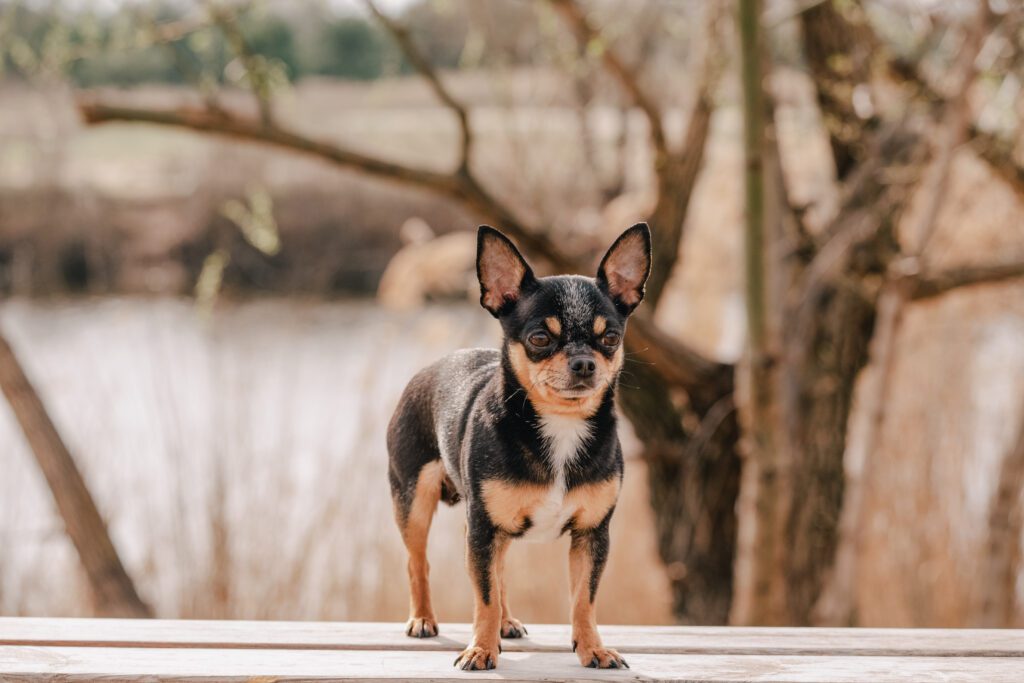
The ideal adopter is patient, consistent, and ready to provide warmth, structure, and gentle socialization. A Deer Head Chihuahua does best with adults or respectful children, regular short walks, and a calm home base. Plan for weather protection in winter, shade in summer, and daily training that builds confidence.
Preparation turns adoption into a smooth transition. Gather supplies, set up a safe rest area, and review training goals before bringing your dog home. Take your time, ask thoughtful questions, and choose a dog whose needs match your routine. When you are ready, start your search with trusted listings and move forward knowing you can support a happy, healthy life in District Of Columbia.

Introducing a new puppy to your current dog is often an exciting process, and many dogs will become fast friends and eas...
Read More
Rescue dogs can make great companions and can transform your home into something better. These dogs make great pets and ...
Read More
You should never rush to pet a dog. Even dog owners make the mistake of approaching unfamiliar dogs and petting them rig...
Read More
Puppy mill dogs are survivors who have endured extreme hardships in their lives. They have grown up in horrendous, unsan...
Read More
With their wagging tails and comforting presence, adopting a dog can add a unique touch to your life. It’s a heart...
Read More
Older dogs may have a few gray hairs around the edges, but that doesn’t mean they can’t make wonderful companions! T...
Read More