





























































































































































































Introducing a new puppy to your current dog is often an exciting process, and many dogs will become fast friends and eas...
Read MoreAdopt Me

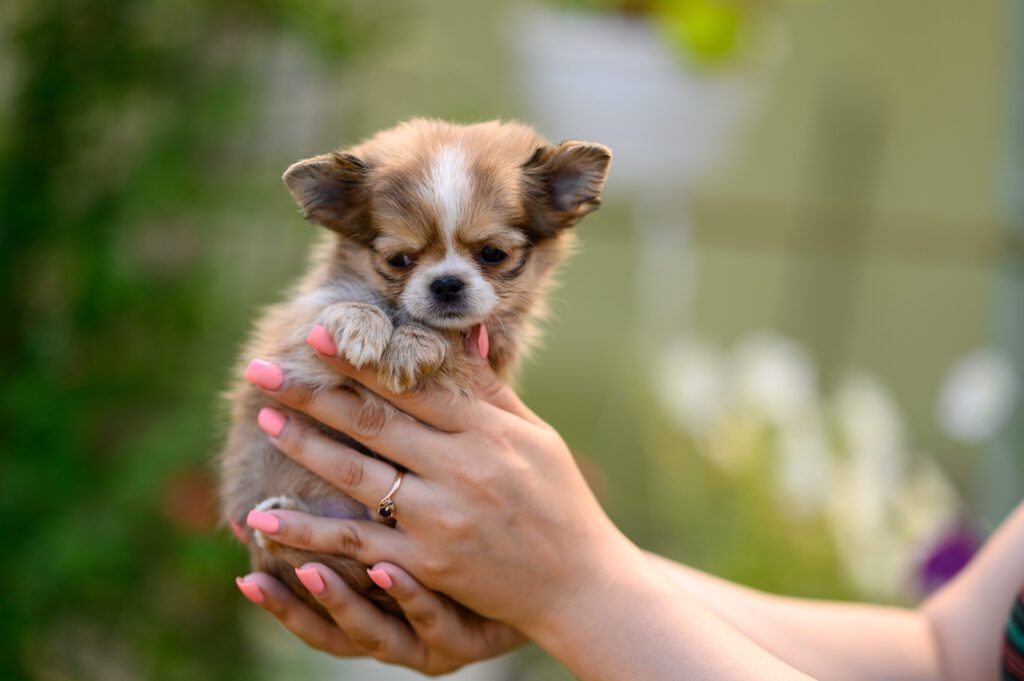


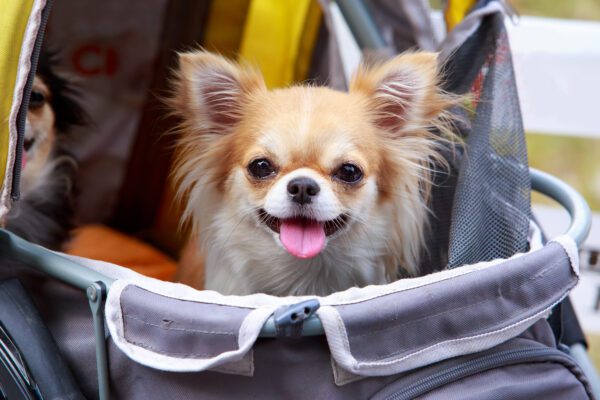
Teacup Chihuahuas are tiny companions with bold hearts. They are affectionate, alert, and loyal. They enjoy curling up with their person and keeping watch over the home. Their small size suits city living, and their exercise needs are modest. Short, frequent walks and indoor play keep this breed content. They are sensitive to cold and heat, so they need weather-aware care all year.
Thoughtful research matters before you adopt. Teacup Chihuahuas have delicate frames and can be prone to dental disease and tracheal sensitivity. They thrive with gentle handling and consistent routines. Adoption is a kind choice because it opens space for the next dog in need and often provides a dog that already has vaccinations and basic vetting. You also gain rescue guidance that helps you start strong.
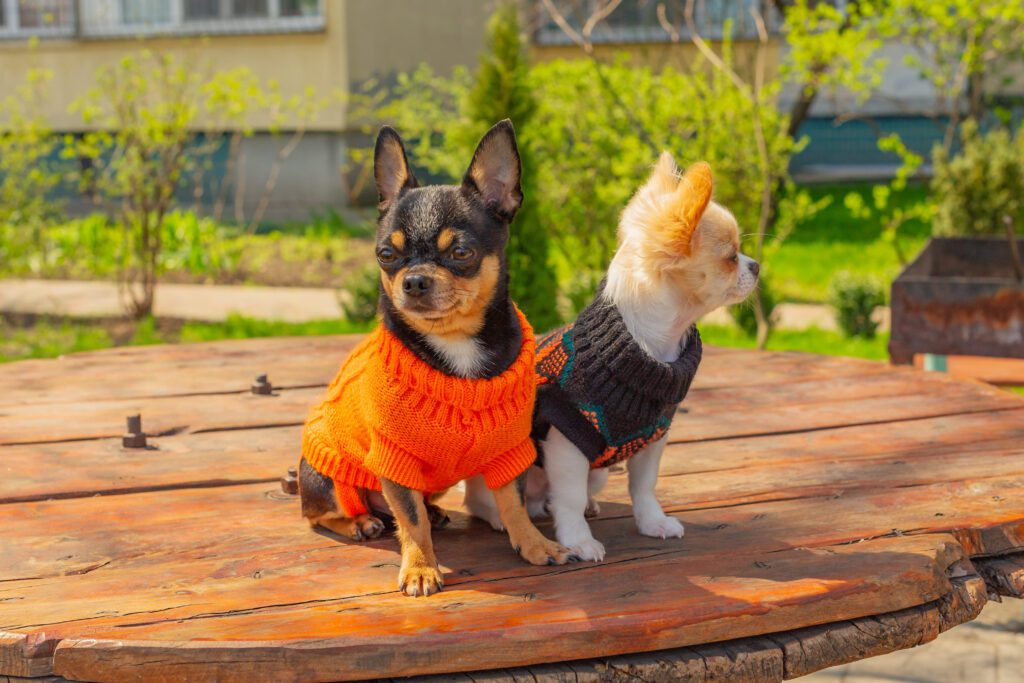
District Of Columbia offers many perks for this small breed. Compact neighborhoods and walkable streets make quick potty breaks simple. Many apartments welcome small dogs and provide easy elevator access. Summer can be hot and humid, and winter can be chilly with occasional snow. A lightweight vest in summer, a warm sweater in winter, and indoor enrichment help a Teacup Chihuahua feel safe and comfortable. City noise and crowds can feel intense for a small dog, so early socialization and patient training are essential.
You can avoid searching shelters and rescues one by one by starting with Dog Academy. The adoption listings gather available dogs in one place so you can filter by size, age, and location. Dog Academy also provides clear educational guides and adoption checklists that help you prepare your home, your schedule, and your budget before you apply.
You can also watch for adoptable dogs through local animal shelters, regional rescues, and breed-specific rescue groups. Many groups rely on foster homes, which means you can learn about a dog’s routine, energy level, and house manners from a caregiver. Some rescues arrange transport to move dogs between locations when a great match is found. Transport is often coordinated with volunteer drivers or licensed carriers, and it usually requires a health certificate from a veterinarian.
The adoption process starts with browsing listings, then submitting an application. Applications usually ask about your household, your schedule, your experience with small breeds, and any landlord requirements. You may be asked for personal references and proof of residence. Once your application is reviewed, the next step is a meet-and-greet. Meetings can happen at a shelter, in a foster home, or at a neutral outdoor space where the dog feels safe.
Home checks are common for small breeds that need extra safety. A home check can be a virtual video walkthrough or an in-person visit. The goal is to confirm secure doors and gates, safe storage of cleaning products, and a plan for stairs or balcony railings. Approval timelines vary. Straightforward applications can move in a few days. More complex cases, or puppies needing scheduled veterinary care, can take 1 to 3 weeks. Staying responsive and flexible helps the process go smoothly.
|
How Much Does It Cost to Adopt a Teacup Chihuahua in District Of Columbia?Most adopters in District Of Columbia can expect an adoption fee of $300 to $550 for a Teacup Chihuahua. Demand for small dogs in urban areas tends to keep fees near the middle or upper end of that range. Younger dogs and dogs that arrive with extensive recent care often cost more. Senior dogs or dogs with ongoing medical needs may cost a bit less, and some groups adjust fees to encourage special placements. Fees typically include spaying or neutering, vaccinations, microchipping, and veterinary exams. Costs can rise when a dog receives dental cleanings, bloodwork, or imaging before adoption. If transport is arranged across state lines, the rescue may add the cost of a health certificate or carrier fees. Supplies after adoption, such as a harness, a crate, and weather gear, are not included in the fee. |
How Should I Train a Teacup Chihuahua?Teacup Chihuahuas are bright and eager to learn. They respond best to short, upbeat sessions and frequent rewards. Positive reinforcement builds confidence and prevents fear-based behaviors. Use a well-fitted harness to protect the neck during leash work. House training can be challenging due to a small bladder. Create a reliable schedule, use crate training to support consistency, and reward outdoor success right away. If you use indoor potty pads, place them in a quiet, easy-to-reach area and transition gradually if you plan to move outdoors. Barking, stranger wariness, and defensiveness are common when a small dog feels unsafe. Build calm confidence with gradual exposure to city sounds, elevators, and lobby traffic. Teach a settle cue on a mat and reinforce quiet behavior. Keep sessions brief to prevent overload. For structured guidance, explore Dog Academy’s online training courses. Step-by-step lessons show you how to teach manners, reduce reactivity, and strengthen recall in busy urban settings. |
|
A great match is patient, gentle, and consistent. The ideal home offers soft bedding, safe spaces, and frequent potty breaks. Families with older, dog-savvy children do well. Apartment dwellers, remote workers, and retirees often provide the attention this breed loves. A plan for cold days, hot sidewalks, and crowded commutes keeps a Teacup Chihuahua comfortable and secure.
Prepare before you apply. Review your building’s pet rules, gather proof of residency, and set aside a budget for initial supplies and preventive care. Take your time, ask clear questions, and trust the process. When you are ready, start with Dog Academy to explore current listings and bring home a tiny companion who fits your life in District Of Columbia.

Introducing a new puppy to your current dog is often an exciting process, and many dogs will become fast friends and eas...
Read More
Rescue dogs can make great companions and can transform your home into something better. These dogs make great pets and ...
Read More
You should never rush to pet a dog. Even dog owners make the mistake of approaching unfamiliar dogs and petting them rig...
Read More
Puppy mill dogs are survivors who have endured extreme hardships in their lives. They have grown up in horrendous, unsan...
Read More
With their wagging tails and comforting presence, adopting a dog can add a unique touch to your life. It’s a heart...
Read More
Older dogs may have a few gray hairs around the edges, but that doesn’t mean they can’t make wonderful companions! T...
Read More