





























































































































































































Introducing a new puppy to your current dog is often an exciting process, and many dogs will become fast friends and eas...
Read MoreAdopt Me

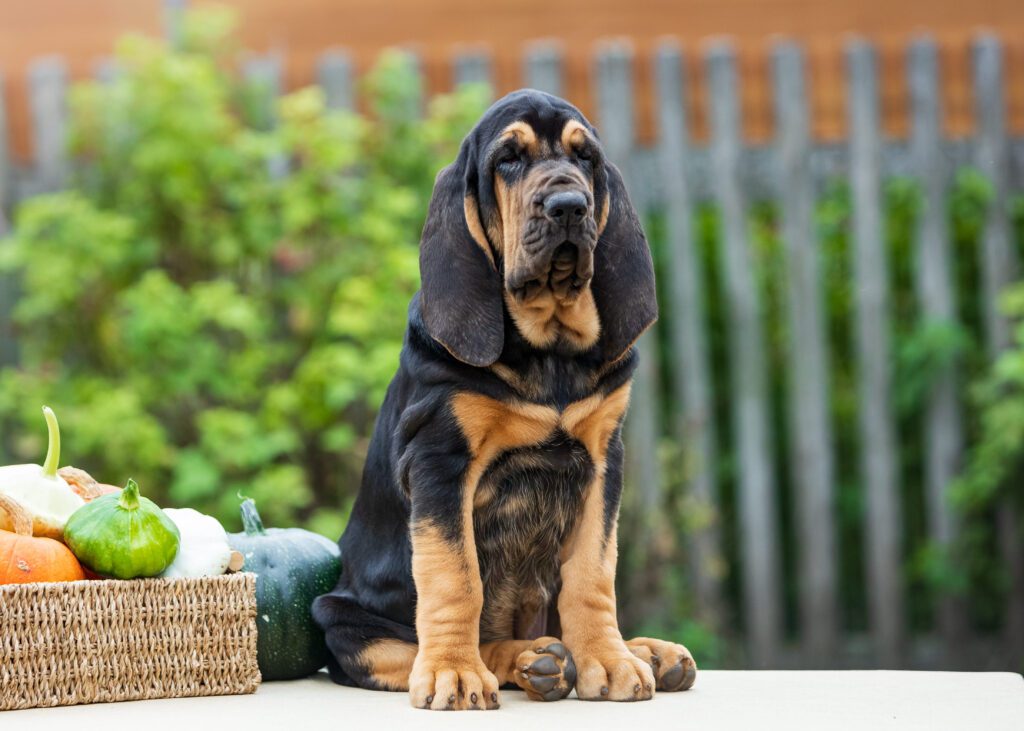


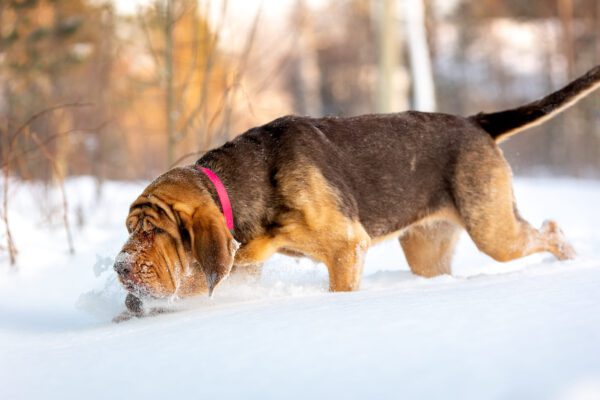
Bloodhounds are gentle, affectionate, and famously nose driven. They bond closely with their families and often show calm patience indoors after a good outing. Their size is substantial, their voices are deep, and their drool is real. A Bloodhound rewards consistent care with loyalty and charm, which makes this breed a wonderful companion for the right home.
Thoughtful research is essential before you adopt a Bloodhound. This breed needs daily sniffing opportunities, steady training, and regular ear and skin care. Adoption is often a better choice than buying because you help a dog in need while gaining support from experienced adoption counselors. Many adopted dogs arrive already spayed or neutered and medically vetted, which helps you start strong.
District Of Columbia offers urban convenience with many sidewalks, greenways, and riverside paths that suit structured sniff walks. Summers are hot and humid, so you should plan early or late outings with plenty of water. Winters can be cold with icy sidewalks, which calls for paw care and shorter but more frequent walks. Apartment living is common, so a Bloodhound will do best with committed exercise routines, indoor enrichment, and good elevator and stair manners.
You can skip searching shelters and rescues one by one by using the adoption listings at Dog Academy. You can browse Bloodhounds available near District Of Columbia and review profiles, photos, and key details in one place. You can also use Dog Academy guides and adoption checklists to prepare your home, plan your questions, and understand next steps.
Adoptable Bloodhounds may be found through local animal shelters, regional rescues, and breed-specific rescue groups that work through foster networks. Start by browsing listings and reading each dog’s bio for age, temperament, health notes, and activity needs. When you find a potential match, submit an application that usually asks about your schedule, experience, household members, and landlord approval if you rent. Many groups request personal references and a veterinary reference to confirm responsible care.
After your application is reviewed, most organizations schedule a phone interview and a meet-and-greet. Meetings often happen at the shelter or in a foster home to see how the dog interacts with you. Home checks may be virtual or in person. A home check confirms safe containment, tidy storage for food and cleaners, and a plan to manage doors and gates since Bloodhounds can follow scents right out the door. Approval timelines vary, though many adopters receive a decision within 1 to 3 weeks once all steps are complete.
Some groups offer transport when a suitable Bloodhound is outside your immediate area. Transport is often arranged by rescues to move dogs between states using volunteer drivers or licensed carriers who coordinate safe, staged travel. You usually complete paperwork and fees in advance, then meet at a designated handoff point or receive the dog directly from the transport team.

|
How Much Does It Cost to Adopt a Bloodhound in District Of Columbia?Most adopters in District Of Columbia can expect to pay about $275 to $475 for an adult Bloodhound, with puppies commonly ranging from $350 to $650. Fees tend to be higher for puppies and lower for seniors, and prices reflect urban veterinary costs and the size of the dog. Many organizations include spaying or neutering, vaccinations, microchipping, and veterinary exams in the fee. Some fees also cover deworming, heartworm testing, flea and tick prevention, and any needed medical treatment, which can raise the total but reduces your immediate expenses. Age, prior training, medical care, and local demand all affect price. A dog with completed obedience training or recent dental care may cost more but may save you time and veterinary costs later. A senior dog with ongoing medications may have a lower fee but higher monthly care needs. Asking for an itemized breakdown helps you understand value and plan your budget. |
How Should I Train a Bloodhound?Bloodhounds are intelligent and sensitive, yet they can be independent because scent is their first priority. Training works best when you use high-value food rewards, calm repetition, and short sessions. Positive reinforcement builds trust and keeps the dog engaged, while harsh corrections can shut a Bloodhound down or cause avoidance. Focus early on recall, loose-leash walking, and polite greetings. Use a harness and a long line to practice recall without risk, and reward generously the moment your dog turns toward you. Build impulse control with simple games that ask for a sit or a down before doors open or meals are served. Give the nose a job with scent games and slow sniff walks, which reduce pulling and increase mental satisfaction. You can follow clear, step-by-step programs through Dog Academy’s online training courses. Courses cover recall, leash skills, house manners, crate comfort, and enrichment plans that channel a Bloodhound’s tracking drive in healthy ways. |
|
A great Bloodhound home includes patient people who enjoy structured walks, daily enrichment, and steady routines. The best adopters are comfortable with a large dog, regular ear care, and some drool on the walls. A secure home setup and a plan for consistent training help this breed thrive in a busy city.
Take time to prepare your space, gather supplies, and align your schedule before you bring a dog home. Research carefully, ask detailed questions, and move at a pace that feels right for you and the dog. When you are ready to adopt a Bloodhound in District Of Columbia, use Dog Academy listings and guides to make a confident, compassionate choice that lasts.

Introducing a new puppy to your current dog is often an exciting process, and many dogs will become fast friends and eas...
Read More
Rescue dogs can make great companions and can transform your home into something better. These dogs make great pets and ...
Read More
You should never rush to pet a dog. Even dog owners make the mistake of approaching unfamiliar dogs and petting them rig...
Read More
Puppy mill dogs are survivors who have endured extreme hardships in their lives. They have grown up in horrendous, unsan...
Read More
With their wagging tails and comforting presence, adopting a dog can add a unique touch to your life. It’s a heart...
Read More
Older dogs may have a few gray hairs around the edges, but that doesn’t mean they can’t make wonderful companions! T...
Read More