




























































































































































































Introducing a new puppy to your current dog is often an exciting process, and many dogs will become fast friends and eas...
Read MoreAdopt Me





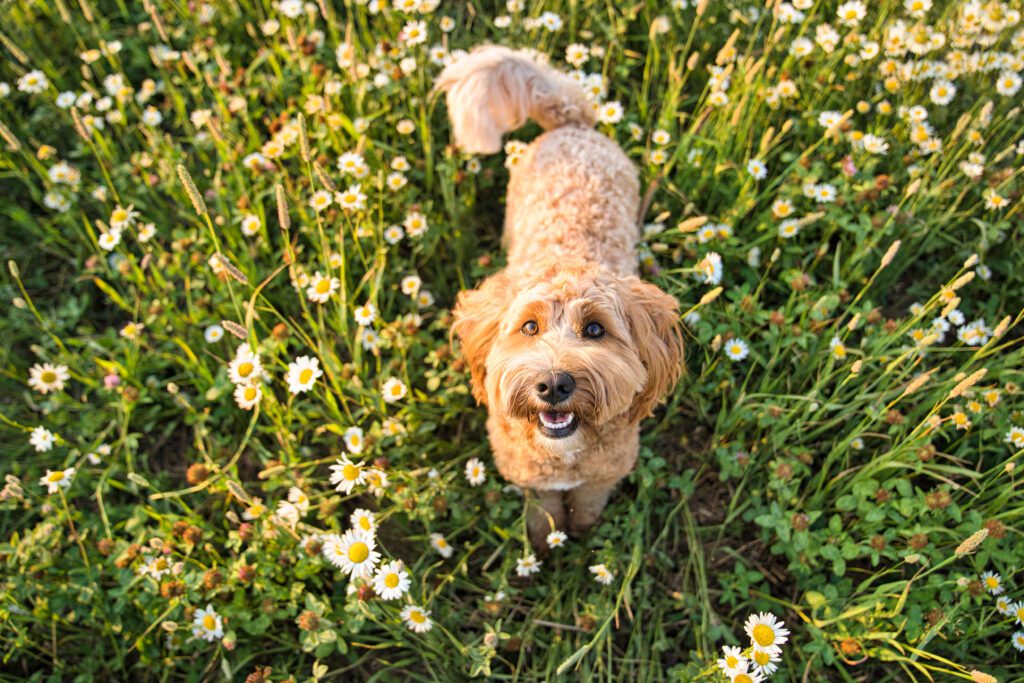
The Australian Labradoodle is friendly, outgoing, and highly trainable. This companion enjoys people, learns quickly, and often suits families, first-time dog owners, and therapy-minded adopters. The coat is usually low shedding, which helps in tidy homes, yet it still needs consistent care. Thoughtful adopters research the breed’s energy level, coat care, and social needs before bringing a dog home.
Adoption gives a dog a second chance and lets you meet a specific dog that fits your lifestyle. Many adult dogs already have house manners, which can ease the transition into city life. The District Of Columbia suits this breed when owners commit to daily exercise in urban green spaces and to calm exposure to busy sidewalks. Summers are hot and humid, so walks work best during cooler hours. Winters can be chilly with occasional snow, so a warm coat and paw care keep an Australian Labradoodle comfortable.
The District Of Columbia is compact and walkable, which supports regular outings and quick potty breaks. Elevators, traffic, and dense footpaths can feel intense for young dogs, so early socialization matters. With planning, this breed can thrive in apartments or rowhouses when owners provide daily activity, mental enrichment, and grooming time.
You can skip searching rescues and shelters one by one by using Dog Academy adoption listings. You can browse by location, age, and size, and you can read clear profiles that describe temperament and needs. Dog Academy also offers educational guides and adoption checklists that help you prepare your home, budget, and routine before you apply.
Start by browsing adoptable dogs through local animal shelters, regional rescues, and breed-specific rescue groups. Read each profile carefully to confirm energy level, grooming history, and any training notes. Submit an online application that usually requests identification, references, proof of home ownership or landlord approval, and details about your schedule. Teams review your application to ensure the dog’s needs match your lifestyle, including exercise plans and grooming budgets.
Next comes a meet-and-greet at a facility or foster home. Bring all household members so the group can observe compatibility. If you have a resident dog, some groups set up a slow, neutral introduction and may recommend multiple visits. Many organizations conduct a home check that can be virtual or in person to confirm secure doors, safe storage for cleaning supplies, and space for a crate, bed, and feeding area. Approval timelines vary, but many adopters move from application to decision within 1 to 3 weeks depending on volume, responsiveness, and the dog’s medical status.
If your match is outside the District Of Columbia, some rescues arrange transport between locations. Transport is often organized through volunteer drivers or licensed carriers who follow set routes and safety protocols. Groups may charge a modest transport fee and require a health certificate from a veterinarian. Clear coordination ensures a safe, low-stress arrival for the dog and a smooth pickup for you.
|
How Much Does It Cost to Adopt a Australian Labradoodle in District Of Columbia?Expect to pay about $350 to $650 to adopt an Australian Labradoodle in the District Of Columbia. Fees trend toward the middle or high end in urban markets due to medical care and demand. Puppies and young adults usually cost more than seniors. Well-trained dogs may cost more because extra time and resources went into socialization and manners. Dogs who received advanced medical treatment may also carry a higher fee to offset care. Most adoption fees cover spaying or neutering, vaccinations, microchipping, and veterinary exams. Many groups also include deworming, heartworm testing, and flea and tick prevention. Grooming before adoption can influence cost as well, especially if the coat needed dematting or a corrective clip. |
How Should I Train a Australian Labradoodle?The Australian Labradoodle is intelligent and people focused, which makes training rewarding. Positive reinforcement works best. Use praise, small food rewards, and play to mark correct choices. Keep sessions short and upbeat, and practice daily. Focus first on name recognition, hand-targeting, sit, down, stay, and coming when called. Introduce city sounds and sights in a gradual way so elevators, bikes, scooters, and buses feel routine rather than scary. Common challenges include jumping to greet, pulling on leash, boredom barking, and mild separation stress. You can prevent these issues by reinforcing four-on-the-floor greetings, practicing loose-leash walking in quiet areas before busier streets, and providing daily mental enrichment. Food puzzles, snuffle mats, and chew options help the dog relax between outings. Crate training teaches calm alone time and supports house manners. For structured support at home, explore Dog Academy’s online training courses, which cover puppy foundations, urban leash skills, impulse control, and cooperative grooming for low-shedding coats. |
|
The ideal adopter enjoys daily walks, plans for at least 60 minutes of exercise, and budgets for professional grooming on a regular schedule. A great match values training, mental games, and social time with people. Allergy-conscious households often appreciate lower shedding, while also understanding that no dog is completely allergen free.
Set yourself up for success by gathering supplies, pet-proofing your home, confirming building pet policies, and aligning your schedule. Take your time, ask detailed questions, and choose the dog whose temperament matches your routine. When you are ready to adopt a Australian Labradoodle in District Of Columbia, use Dog Academy to compare options and move forward with confidence.

Introducing a new puppy to your current dog is often an exciting process, and many dogs will become fast friends and eas...
Read More
Rescue dogs can make great companions and can transform your home into something better. These dogs make great pets and ...
Read More
You should never rush to pet a dog. Even dog owners make the mistake of approaching unfamiliar dogs and petting them rig...
Read More
Puppy mill dogs are survivors who have endured extreme hardships in their lives. They have grown up in horrendous, unsan...
Read More
With their wagging tails and comforting presence, adopting a dog can add a unique touch to your life. It’s a heart...
Read More
Older dogs may have a few gray hairs around the edges, but that doesn’t mean they can’t make wonderful companions! T...
Read More