
























































































































































































Introducing a new puppy to your current dog is often an exciting process, and many dogs will become fast friends and eas...
Read MoreAdopt Me

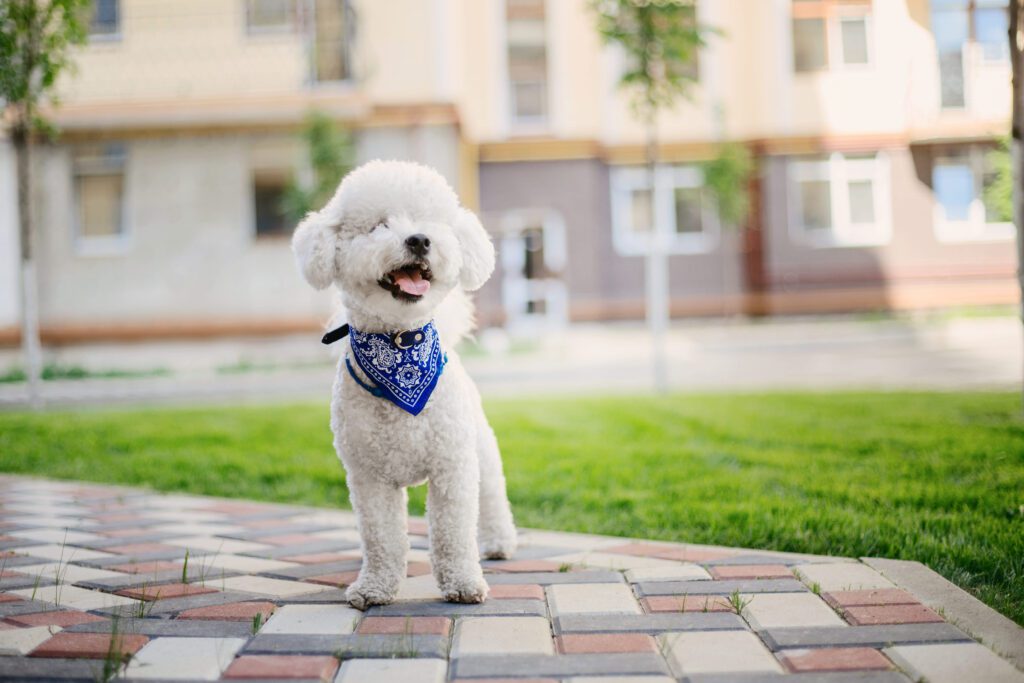
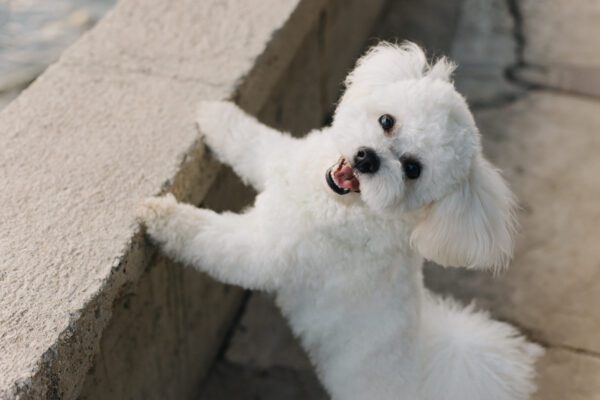
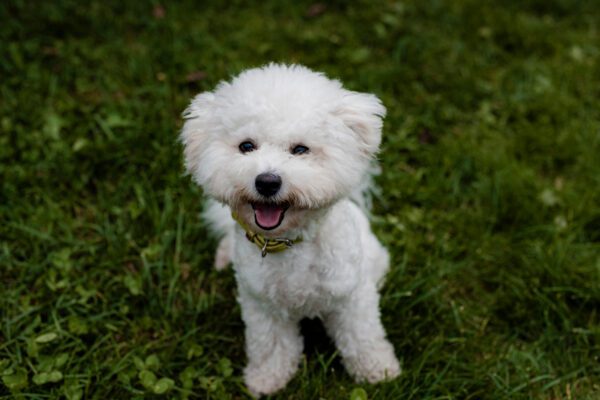
The Bichon Frise is a cheerful, affectionate, and people-focused companion. This small dog has a soft, low-shedding coat and a playful spirit that suits families, singles, and seniors. A well-socialized Bichon usually enjoys friendly greetings, short adventures, and lots of lap time. The breed thrives on attention and routine, which makes daily interaction and gentle guidance essential.
Research matters before any adoption. A Bichon Frise needs consistent grooming, daily exercise, and patient training. Adoption is often the best path because it gives a dog a second chance, supports responsible animal care, and usually includes core veterinary services that help a new family start strong.
Montana offers open spaces, long winters, and dry air. A Bichon Frise fits best as an indoor companion who enjoys short walks and play sessions. Cold weather calls for a warm jacket and careful paw care, especially when snow or ice covers sidewalks. Rural distances can make access to services more limited, so planning for a reliable groomer, a trusted veterinarian, and safe winter routines is important.
You can avoid searching shelters and rescues one by one by using Dog Academy. The adoption listings bring together dogs from local animal shelters, regional rescues, foster networks, and breed-specific rescue groups in one place. Dog Academy also provides step-by-step adoption guides and practical checklists that keep you organized from your first search to your first day at home.
Start by browsing listings and reading each dog’s bio with care. Look for notes on temperament, energy level, health history, and grooming needs. A Bichon Frise usually enjoys close contact and indoor life, yet each dog has a unique personality. Understanding those details helps you choose a match that fits your household, schedule, and Montana lifestyle.
After you find a potential match, submit an application. Applications often request personal references, proof of housing permission when you rent, and information about current pets. Many groups schedule a meet-and-greet at a shelter, a foster home, or a neutral location. The meet-and-greet confirms that the dog and your family connect well, including introductions to resident pets.
Home checks are common and help ensure safety. Some groups complete virtual home checks with video calls, while others visit in person. The goal is to confirm secure fencing, safe storage for cleaning products, and a plan for indoor rest. Approval timelines vary, though many adoptions move from application to decision within 3 to 10 days. Timelines can extend if the dog needs medical care or if references take longer to confirm.
Adopters in Montana sometimes meet dogs located in other regions. When distance is a barrier, rescues may arrange transport to move dogs between locations. Transport often uses volunteer drivers or licensed carriers, requires a health certificate from a veterinarian, and may involve a modest transport fee that the adopter pays. Coordinators communicate pickup plans and arrival timing so you can prepare your home before the dog steps through the door.
|
How Much Does It Cost to Adopt a Bichon Frise in Montana?Expect to pay about $250 to $500 to adopt a Bichon Frise in Montana. Fees tend to be lower for seniors and higher for puppies or dogs that received extensive veterinary care. Costs reflect services already provided, local demand for small hypoallergenic breeds, and the resources required to care for a dog in foster or shelter settings. Adoption fees usually include spaying or neutering, vaccinations, microchipping, and veterinary exams. Fees may also reflect dental cleanings, grooming, behavioral support, or specialized medications. If transport is arranged, a separate transport fee may apply to cover fuel, health certificates, and safe travel supplies. |
How Should I Train a Bichon Frise?The Bichon Frise is intelligent, people-oriented, and eager to learn. Positive reinforcement works best. Reward calm behavior, offer frequent praise, and keep sessions short and upbeat. Many Bichons pick up basic cues quickly when training stays consistent and fun. House training can take extra patience, especially during cold Montana mornings. Use a reliable schedule, crate training, and frequent outdoor breaks. Address barking by rewarding quiet moments, teaching a settle cue, and providing daily mental enrichment. Early socialization builds confidence and reduces anxiety when meeting guests, visiting groomers, or hearing winter snowplows. For step-by-step guidance, explore Dog Academy’s online training courses. The lessons cover house training, polite greetings, loose-leash walking, and cooperative care for grooming. Structured plans help you create a routine that keeps a Bichon happy and responsive. |
|
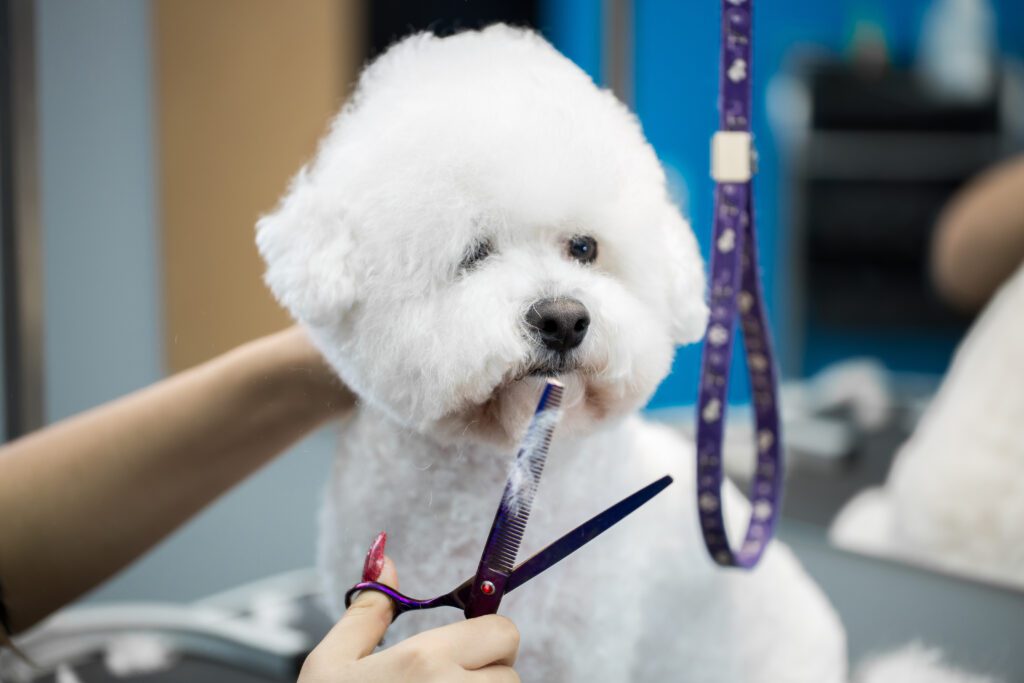
The ideal adopter wants a close companion, can offer daily interaction, and can maintain regular grooming every 4 to 6 weeks. A Bichon Frise suits homes that provide indoor comfort, short walks, gentle play, and consistent training. Families with respectful children, retirees, and work-from-home owners often find a great match.
Prepare before you adopt a Bichon Frise in Montana. Set up a safe indoor space, secure winter gear, choose a groomer, and schedule a first veterinary visit. Take your time, ask thoughtful questions, and use trusted resources. With steady planning and a kind routine, you will welcome a Bichon who thrives in your Montana home.

Introducing a new puppy to your current dog is often an exciting process, and many dogs will become fast friends and eas...
Read More
Rescue dogs can make great companions and can transform your home into something better. These dogs make great pets and ...
Read More
You should never rush to pet a dog. Even dog owners make the mistake of approaching unfamiliar dogs and petting them rig...
Read More
Puppy mill dogs are survivors who have endured extreme hardships in their lives. They have grown up in horrendous, unsan...
Read More
With their wagging tails and comforting presence, adopting a dog can add a unique touch to your life. It’s a heart...
Read More
Older dogs may have a few gray hairs around the edges, but that doesn’t mean they can’t make wonderful companions! T...
Read More