

























































































































































































Introducing a new puppy to your current dog is often an exciting process, and many dogs will become fast friends and eas...
Read MoreAdopt Me

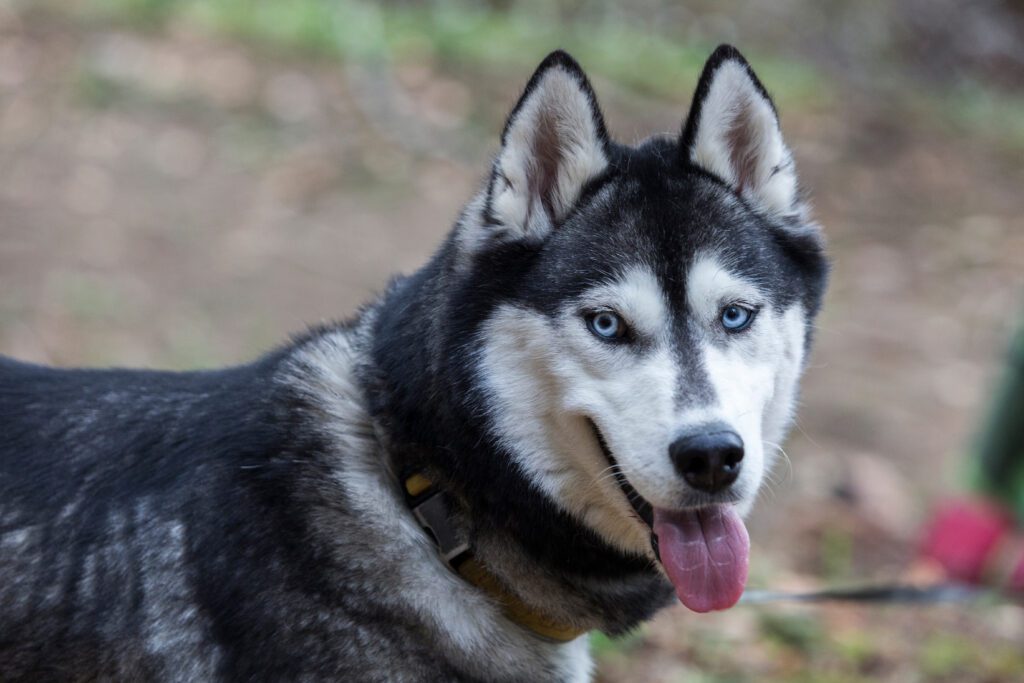
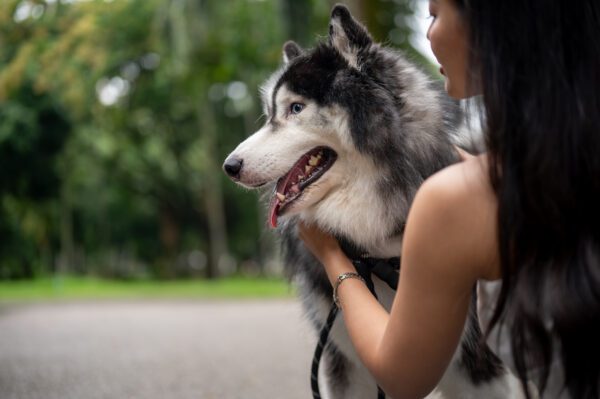
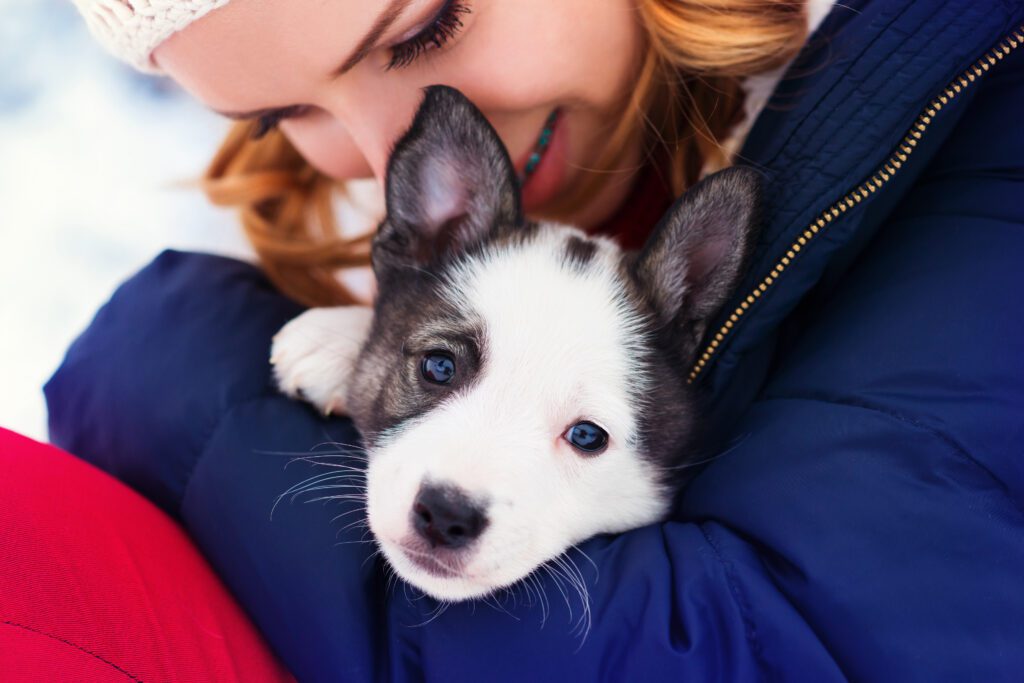
An Alaskan Husky is an athletic, hardworking, and social sled dog type known for endurance, problem solving, and a friendly nature. Many thrive when they run, pull, and explore with their people. Their playful spirit and pack-focused temperament make them wonderful companions for active households that value outdoor time and daily adventures.
Research matters before adoption because Alaskan Huskies need significant exercise, mental stimulation, and consistent training. They can be vocal, curious, and determined, and they often have a strong prey drive. Adoption offers a chance to give a deserving dog a home while benefiting from pre-adoption veterinary care and personality insights from foster caregivers.
Montana’s cold winters and snowy terrain suit an Alaskan Husky’s thick coat and love of vigorous activity. Summer heat in valleys and plains can be challenging, so owners must schedule exercise during cooler hours, provide shade and water, and keep coats well brushed. The state’s wide-open spaces reward owners who enjoy hiking, skijoring, and trail running, while secure fencing and reliable recalls help manage wildlife distractions.
You can avoid searching rescues and shelters one by one by browsing Alaskan Husky adoption listings on Dog Academy. The listings make it easy to compare dogs by age, size, and temperament in one place. You can also use Dog Academy’s educational guides and adoption checklists to prepare your home, refine your questions for caregivers, and plan a smooth transition.
Adoptable Alaskan Huskies can be found through local animal shelters, regional rescues, breed-specific rescue groups, and foster-based networks. Many groups serve large areas, and some coordinate across nearby states when they have a suitable match. Read each dog’s profile carefully and confirm exercise needs, escape risk, and compatibility with kids, cats, and other dogs.
The process usually starts with browsing listings and submitting an application that includes basic information, veterinary references, and landlord approval when applicable. A coordinator reviews your application, answers questions about the dog’s behavior and medical history, and schedules a meet-and-greet at a facility or a foster home. Meet-and-greets assess handling, energy level, and how the dog interacts with all household members.
Most groups complete a home check to ensure safe containment and an environment that fits the dog’s needs. Home checks may be virtual or in person and typically look for secure fencing, safe storage of food and chemicals, and a quiet area for rest. Approval timelines vary based on the dog’s availability, applicant volume, and scheduling, and they commonly take from several days to a few weeks. If a good match is confirmed, you will sign an adoption agreement and arrange a pickup date.
Rescues sometimes arrange transport to move dogs between locations when the best match lives far away. Transport is often coordinated by volunteers or professional carriers, and it may require a modest fee. Dogs typically travel with a health certificate and clear instructions for transition care, which helps them arrive safely and settle faster.
|
How Much Does It Cost to Adopt a Alaskan Husky in Montana?In Montana, the adoption fee for an Alaskan Husky usually ranges from $200 to $450 for adults and from $300 to $550 for puppies. Seniors are often less, commonly $150 to $300. Fees reflect services already provided, which often include spaying or neutering, vaccinations, microchipping, and veterinary exams. Costs can shift based on age, training level, medical care, and local demand for northern breeds. Plan an initial setup budget of $200 to $400 for a crate, a secure harness, a sturdy leash, bowls, bedding, and grooming tools. Ongoing costs such as quality food, heartworm prevention, and winter-safe paw care are important for health and comfort in Montana’s climate. |
How Should I Train a Alaskan Husky?An Alaskan Husky is intelligent and energetic, and it learns quickly when training feels fun and rewarding. Use positive reinforcement with food, toys, and praise, and keep sessions short and engaging. Daily aerobic exercise is essential because a tired mind and body make learning easier and reduce problem behaviors like digging or howling. Focus early on loose-leash walking, recalls, and impulse control. A well-fitted front-clip harness helps manage pulling on casual walks, while a pulling harness can channel strength into sports. Recall can be challenging due to prey drive, so practice with a long line in secure areas and reward generously for returning. Mental enrichment supports success, including scent games, puzzle feeders, and sled-dog alternatives such as canicross, which is running with your dog on a waist belt and elastic line, bikejoring on safe trails, and skijoring during winter. For step-by-step guidance, explore Dog Academy’s online training courses, which cover foundation skills, leash manners, recalls, and enrichment tailored to energetic dogs. |
|
The ideal adopter enjoys Montana’s outdoors and can provide 60 to 90 minutes of daily exercise, consistent training, and a secure yard. A patient, active owner who values routine, enrichment, and teamwork will bring out the best in this driven and affectionate dog.
Prepare your home, gather supplies, and learn the breed’s needs before you apply. Take your time, ask thorough questions, and choose the individual dog whose energy and temperament match your lifestyle. With the right fit and a thoughtful plan, you can adopt an Alaskan Husky in Montana and build a partnership that thrives in every season.

Introducing a new puppy to your current dog is often an exciting process, and many dogs will become fast friends and eas...
Read More
Rescue dogs can make great companions and can transform your home into something better. These dogs make great pets and ...
Read More
You should never rush to pet a dog. Even dog owners make the mistake of approaching unfamiliar dogs and petting them rig...
Read More
Puppy mill dogs are survivors who have endured extreme hardships in their lives. They have grown up in horrendous, unsan...
Read More
With their wagging tails and comforting presence, adopting a dog can add a unique touch to your life. It’s a heart...
Read More
Older dogs may have a few gray hairs around the edges, but that doesn’t mean they can’t make wonderful companions! T...
Read More